Used Metalworking Machinery – Purchase and Financing

The Complete Guide: How to Buy a Used CNC Press Brake and Not Regret the...
 Featured
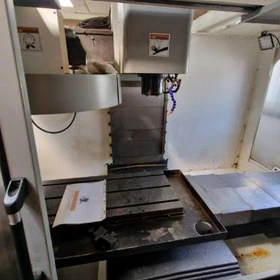
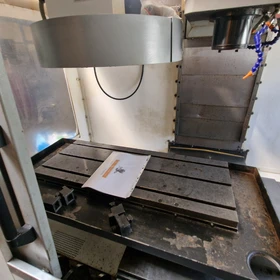
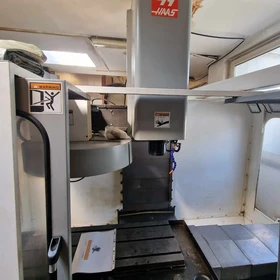
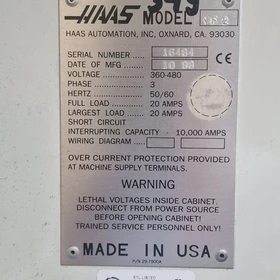
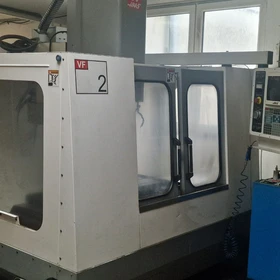
Used Haas VF-2 Vertical Machining Center 1998 – Łódź
Added: 17.09.2026, 10:32
 Featured
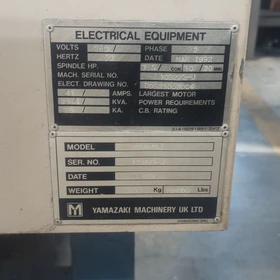
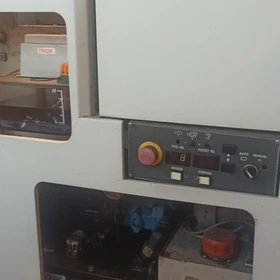
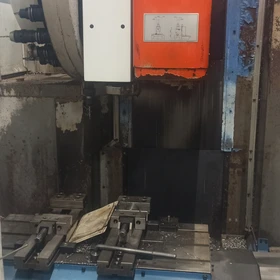
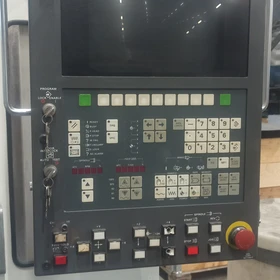
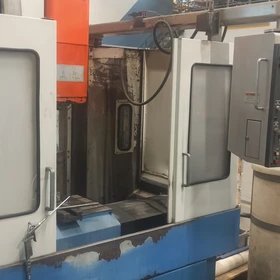
Used Mazak MTV 2-4 Vertical Machining Center 1992 – Serial No. 103295-U – Kąty Wrocławskie
Added: 04.09.2026, 14:05
 Featured
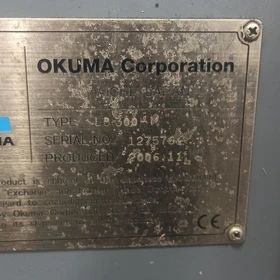
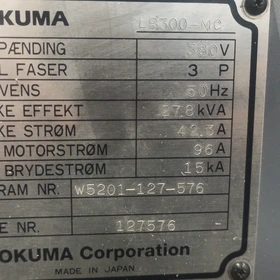
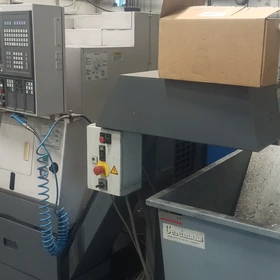
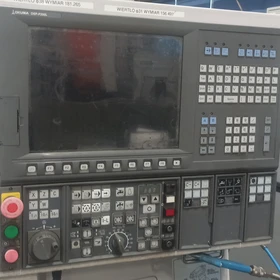
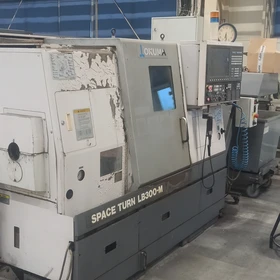
Used Okuma Space Turn LB300-M CNC Lathe 2006 – Serial No. 127576 – Kąty Wrocławskie
Added: 04.09.2026, 14:05
 Featured
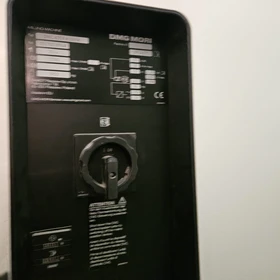
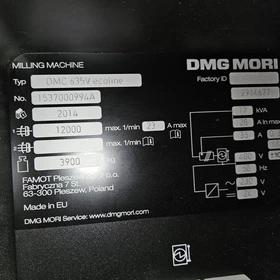
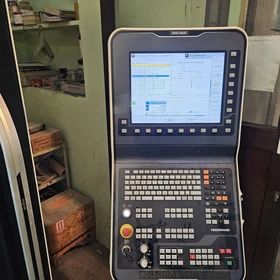
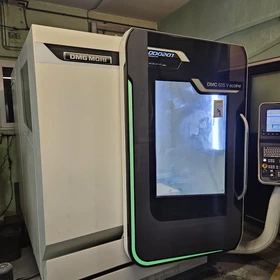
DMG Mori DMC 635 V ecoline CNC Vertical Machining Center 2014 – Serial No. 1537000994A – Poland
Added: 23.06.2026, 13:09
 Featured
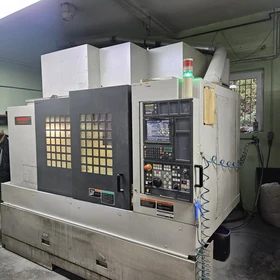
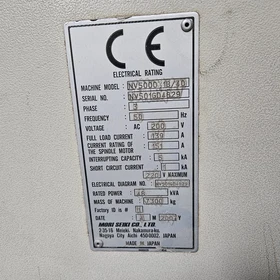
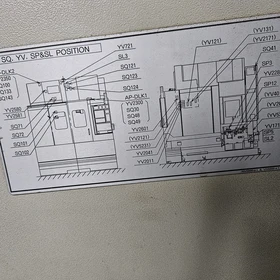
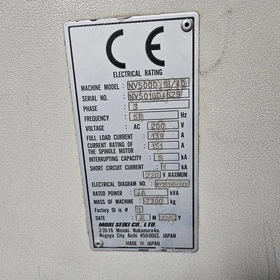
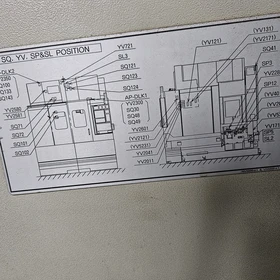
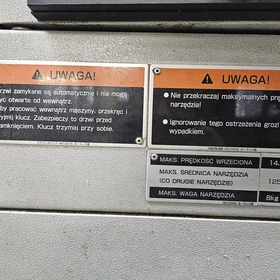
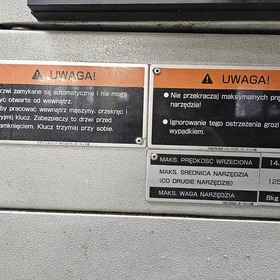
Mori Seiki NV5000α1B/40 CNC Vertical Machining Center 2007 – Serial No. NV501GD4829 – Poland
Added: 23.06.2026, 13:04
Featured
Mori Seiki NV5000α1B/40 CNC Vertical Machining Center 2007 – Serial No. NV501GD4829 – Poland
Added: 23.06.2026, 13:02
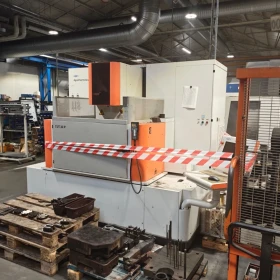
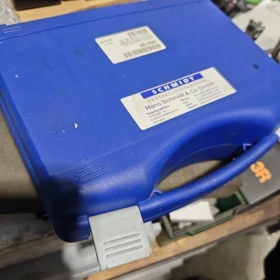
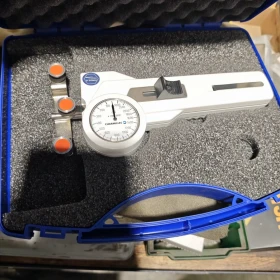
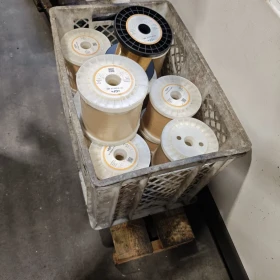
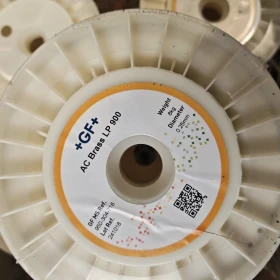
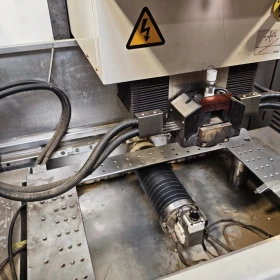
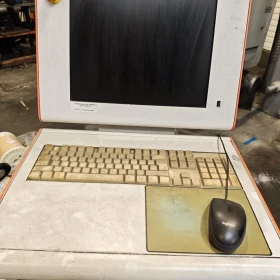
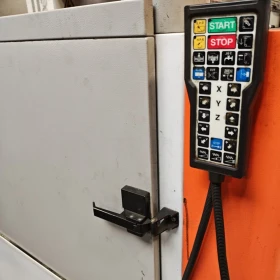
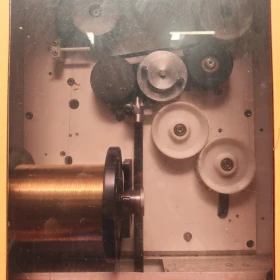
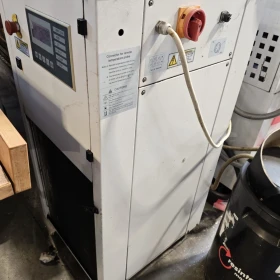
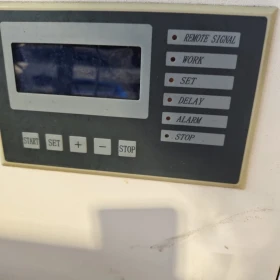
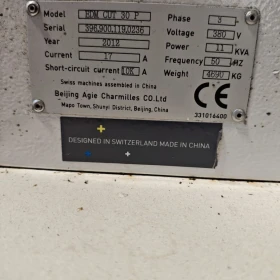
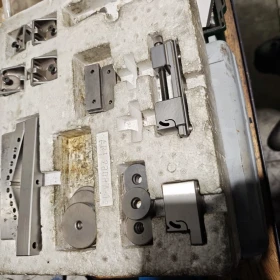
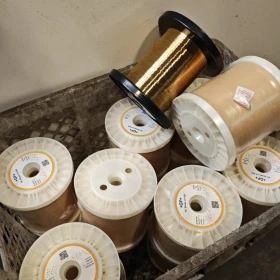
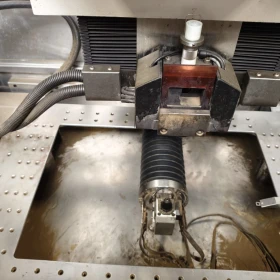
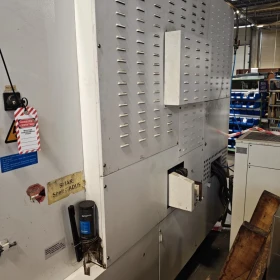
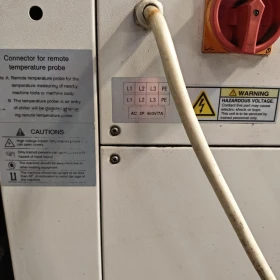
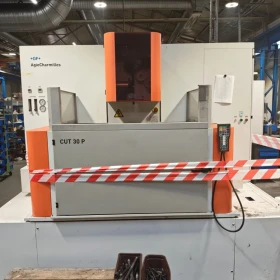
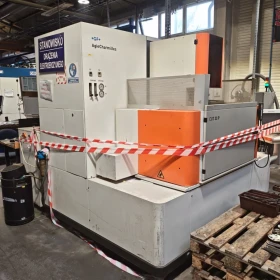
Agie Charmilles CUT 30 P Wire EDM Machine (2012) – Precision and stability Urgent
Added: 17.06.2026, 15:15
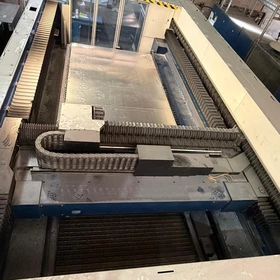
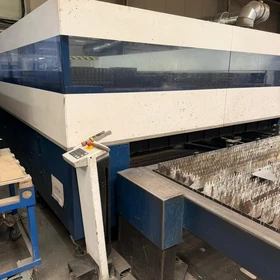
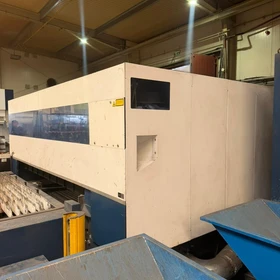
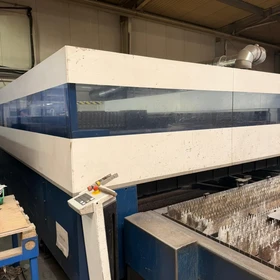
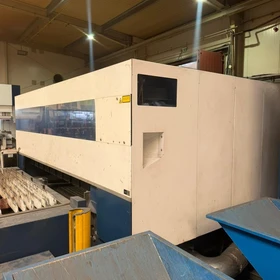
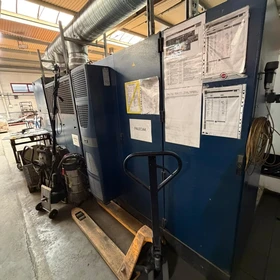
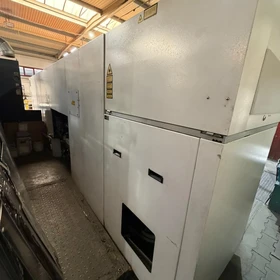
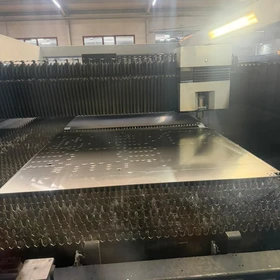
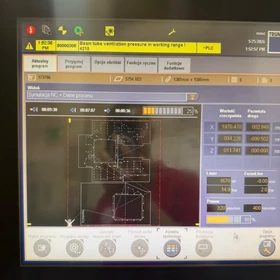
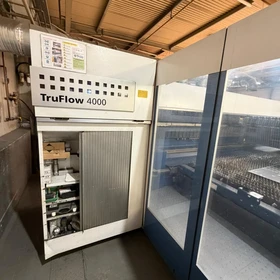
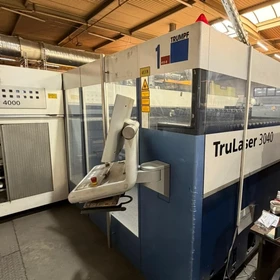
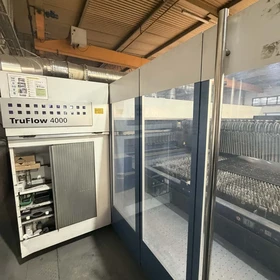
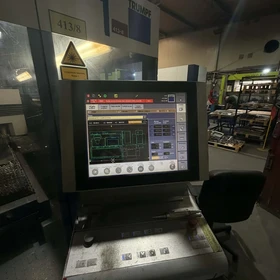
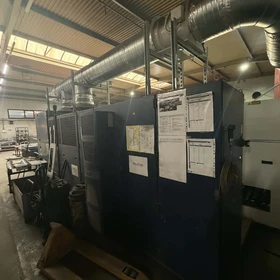
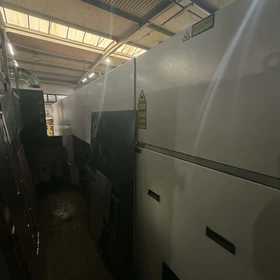
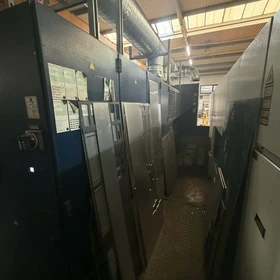
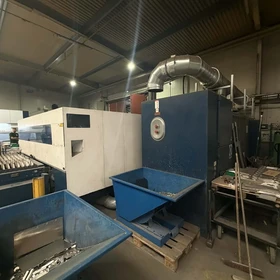
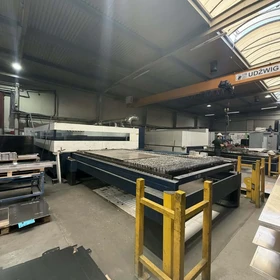
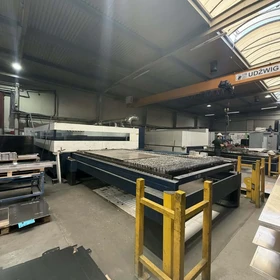
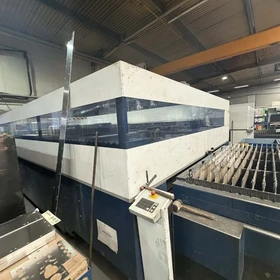
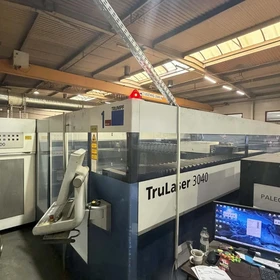
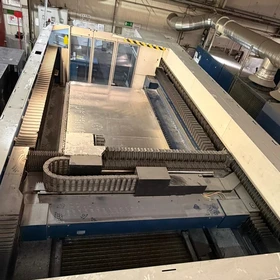
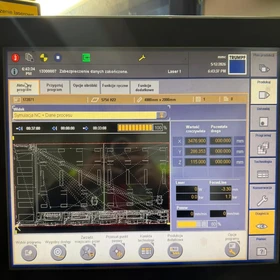
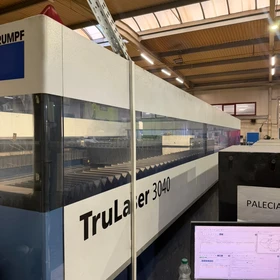
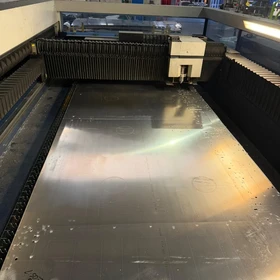
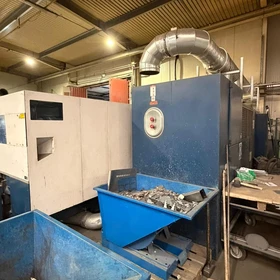
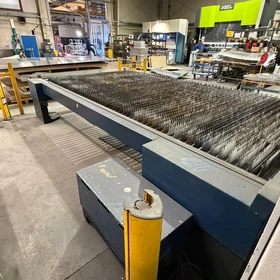
Trumpf TruLaser 3040 L32 CO2 Laser Cutter | 4kW, 4000x2000mm, 2012
Added: 17.06.2026, 13:38
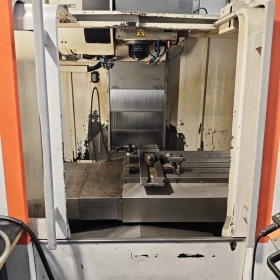
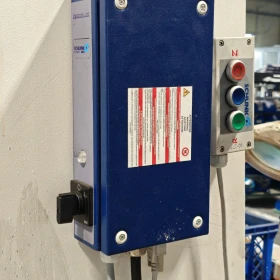
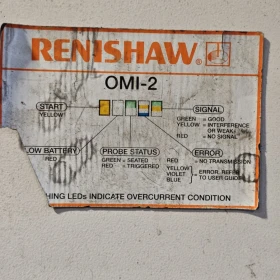
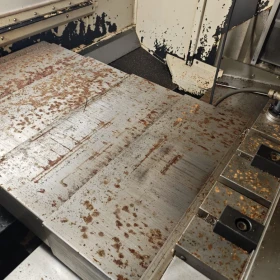
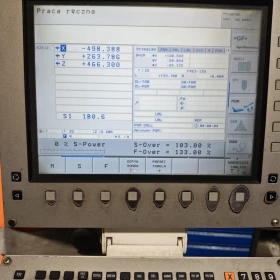
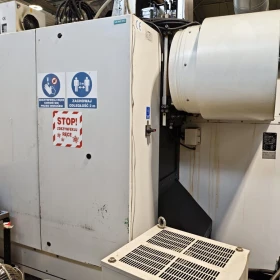
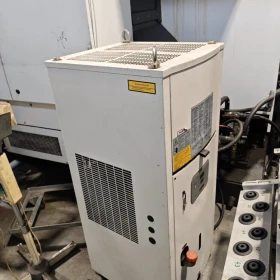
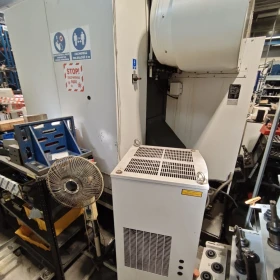
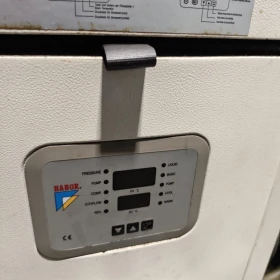
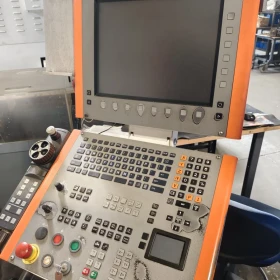
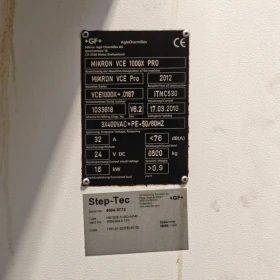
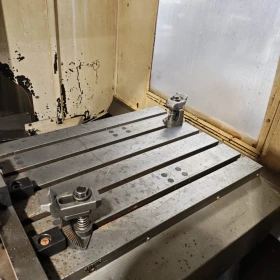
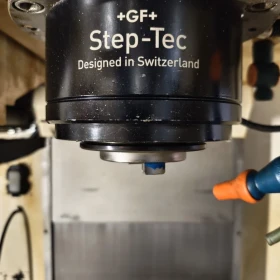
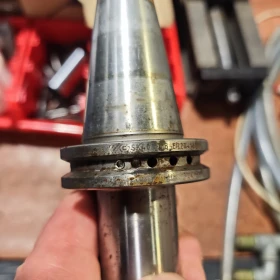
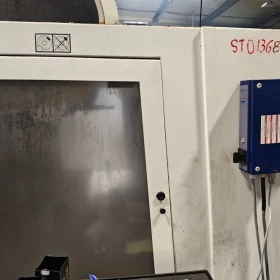
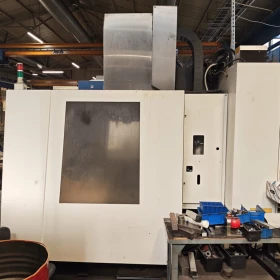
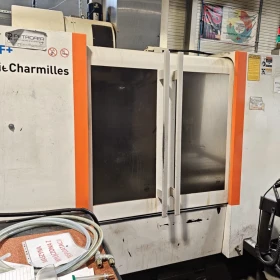
Mikron VCE 1000X PRO – Vertical CNC Machining Center | X: 1020 mm, Y: 560 mm, Z: 600 mm Urgent
Added: 17.06.2026, 12:15
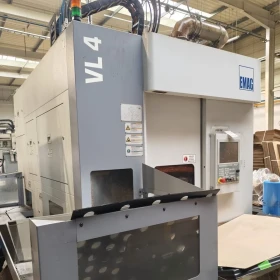
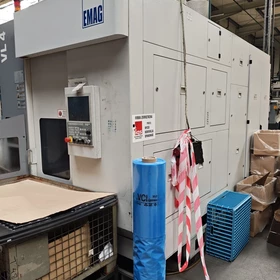
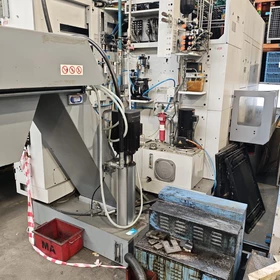
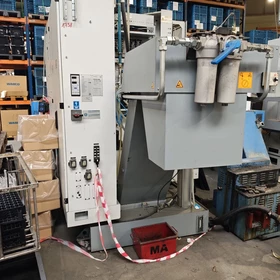
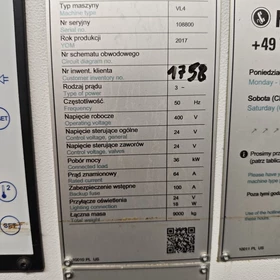
Vertical CNC turning center EMAG VL 4 2017 | Chuck diameter 250 mm
Added: 11.06.2026, 15:20
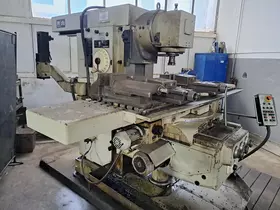


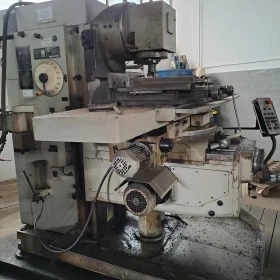


Universal milling and boring machines WMW HECKERT WMW HECKERT FU450R-51 2009 Urgent
Added: 15.04.2026, 20:20
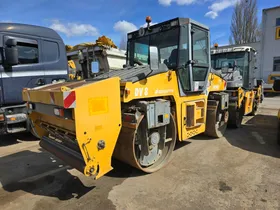
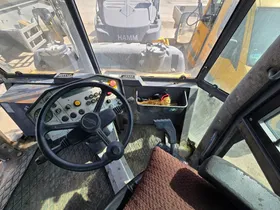
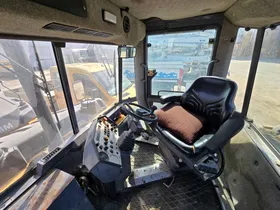
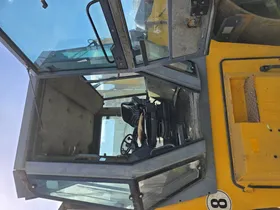
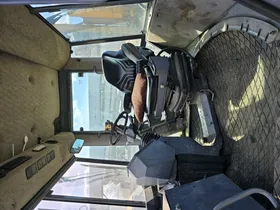
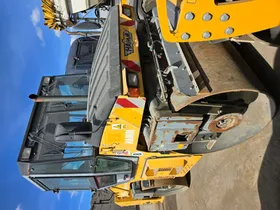
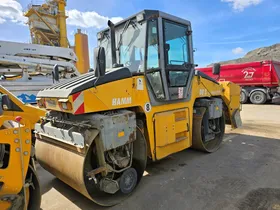
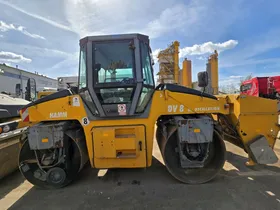
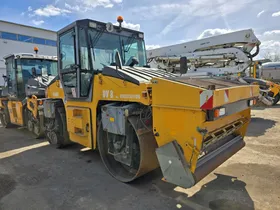
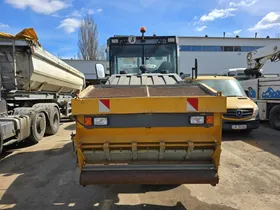
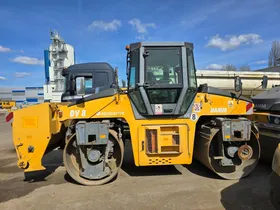
Tandem rollers HAMM HAMM DV8 2004 Urgent
Added: 15.04.2026, 18:08

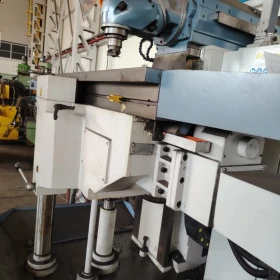
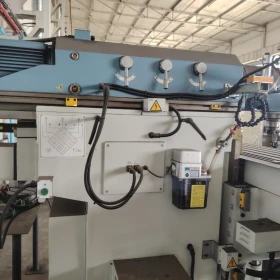

Bernardo Variomill FU 2000 E Servo universal milling machine
Added: 10.03.2026, 13:36
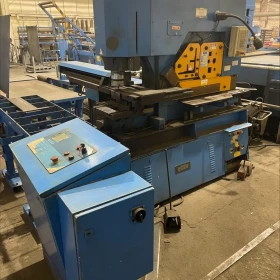
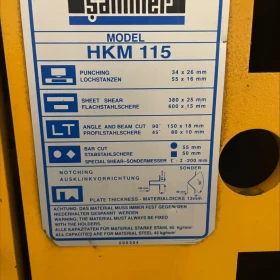
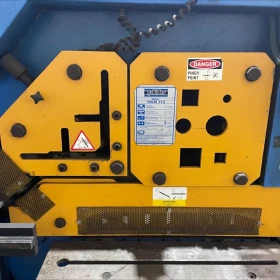
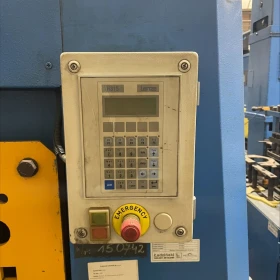
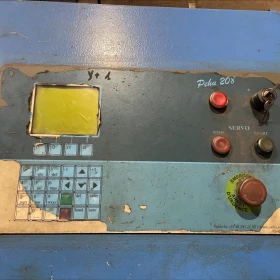
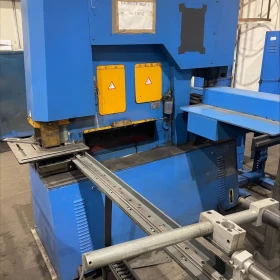
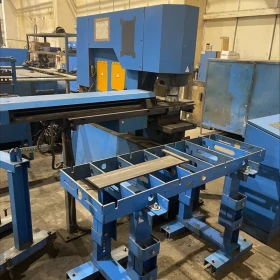
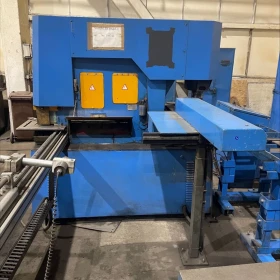
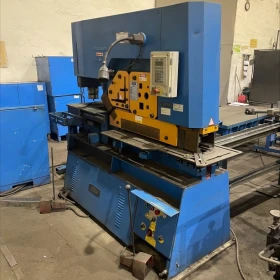
Sahinler HKM 115 heavy-duty, multi-functional 115-ton hydraulic steelworker
Added: 10.03.2026, 10:58
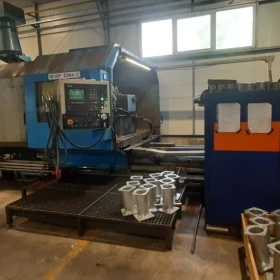
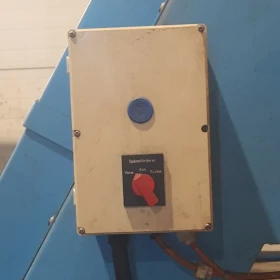
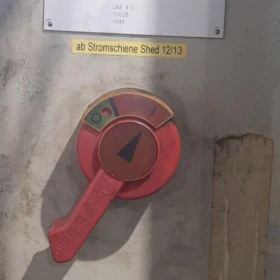
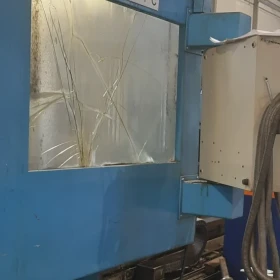
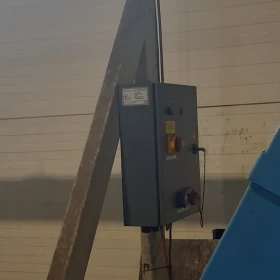
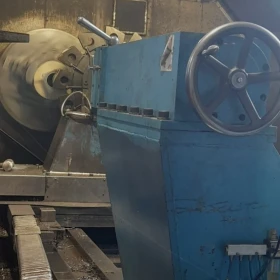
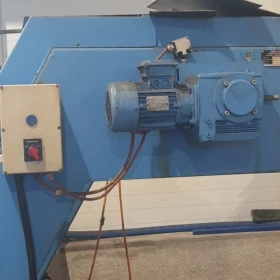
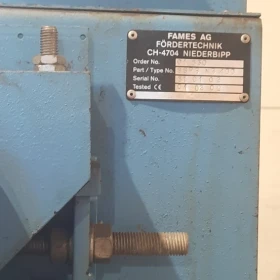
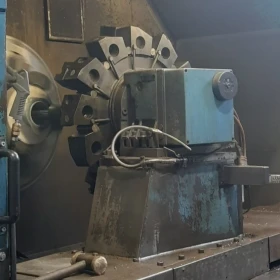
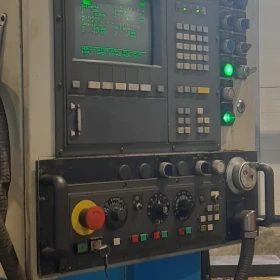
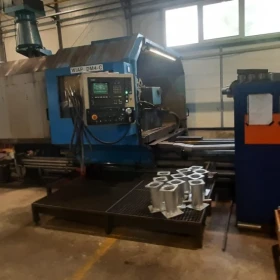
WIAP DM4-C – Heavy-Duty CNC Lathe (1998/2024) | Ø1600 mm | VDSF Technology Urgent
Added: 05.03.2026, 12:00
Used Metalworking Machinery – Purchase and Financing
We offer used metalworking machines: CNC machining centers with 3-5 axes, CNC lathes, milling machines, grinders, laser and plasma cutters, and EDM machines. We work with brands such as DMG Mori, Mazak, Okuma, Haas, Trumpf, Amada. Each machine is verified for technical condition, geometry, positioning, and drive systems. Buying a used CNC machine in good condition can reduce investment cost compared to purchasing new equipment. New to buying used machine tools? Read our metalworking machinery buying guide — types, risks and appraisal before the deal.
Key Technical Parameters to Verify Before Purchase
Before buying a used metalworking machine, it is worth verifying:
- Mechanical condition: guides, spindles, servo motors, gearboxes
- Positioning accuracy and repeatability (check calibration certificates)
- Control system: software version, availability of updates, backups
- Service history: any repairs, replacements, collisions
- Availability of spare parts and service support in your country / EU
How to Finance a Metalworking Machine Purchase
If you have found the right machine but prefer not to tie up all your own capital, check whether the purchase qualifies for financing support. Not every machine and not every seller meets the conditions – that is why we verify each case individually.
What we check when financing metalworking machines:
- Machine type, year of manufacture, and technical condition
- Price and source of origin
- Documentation and possibility of market valuation
- Your company situation and cash flow needs
Check machine financing details
Frequently Asked Questions
Can I finance a used CNC machining center?
Yes, provided the machine is well documented, has clear origin, and meets basic technical criteria. Not every machine qualifies – we check each case separately.
How do I check the condition of a used CNC lathe?
Check: year of manufacture, operating hours, spindle and gearbox condition, positioning accuracy, availability of spare parts, and whether the machine has current CE certificates. It is also worth asking for a video of the machine in operation and service documentation.
How much does it cost to transport a metalworking machine from abroad?
Transport from Germany, Italy, or Austria typically costs 2-5% of the machine value. For larger machines (machining centers, lathes with large dimensions), the cost may be higher due to specialized transport.
Do used CNC machines come with a warranty?
Used machines usually do not come with a warranty or it is very limited. It is worth negotiating technical acceptance conditions before finalizing the purchase. Some sellers offer a short trial period or after-sales support – always ask about this.
What is the typical payback period for a used CNC machine?
The payback period depends on the type of machine, its utilization, and the margin in your facility. For typical CNC machines (machining centers, lathes), the payback period is usually 18-48 months at full utilization. With leasing financing, the monthly installment is spread over time, allowing better cash flow management.
About This Category
WeSellMachines is a marketplace for used machinery connecting buyers and sellers across Europe. This category is dedicated to companies in the metalworking industry – from small turning workshops to large production facilities with CNC machine parks.
We are not a dealer with a warehouse. We are a platform that verifies listings, facilitates contact, and – when possible – supports purchase financing.
Used metalworking machinery: lathes, mills, grinders and presses
Metalworking machinery spans chip-making and chipless processes: engine lathes and CNC turning centres, knee mills and bed mills, machining centres with three to five axes, surface and cylindrical grinders, drilling and boring machines, wire and die-sinking EDM, press brakes, guillotines, ironworkers, saws for bar stock and welding sets. Used machines reach the market when subcontractors close, automotive suppliers consolidate lines, or toolrooms replace manual machines with CNC, so listings often include tooling cabinets, chucks, vices and measuring gear that would cost a fortune new.
Start from tolerances and batch sizes, not from the machine type alone. A repair shop doing one-offs values manual control and rigidity, while a subcontractor running series needs pallet handling, bar feeders or robotic loading. Check spindle taper and through-bore, table size and load, travels on each axis, the control generation and whether programs, parameters and tool tables can be backed up. For three-phase equipment confirm the voltage, the total connected load and whether a frequency converter or transformer is part of the sale.
Buying guide: inspecting a used metal machine
Geometry decides everything. Bring a dial indicator, a test bar and a known-straight straightedge when you inspect. On lathes, check bed wear near the chuck, measure taper over a 300 mm bar, and test the tailstock alignment. On mills, run each axis full travel, feel for tight spots, check backlash with the indicator, and listen to the spindle at several speeds. On grinders, the spindle and the condition of the magnetic chuck or centres matter above all. On press brakes, examine the rams, the crowning system, the backgauge fingers and the tools included: a brake without tooling is only half a machine.
Controls, drives and documentation
An obsolete control is a frequent reason a mechanically sound machine sells cheaply. Confirm the control boots, the batteries holding parameters were replaced on schedule, and the drive alarms are clear. Ask for the electrical schematics, the parameter backup, the ladder diagram if available, and the service history. If the seller cannot provide a backup, negotiate a visit from a service engineer before payment: reloading parameters from scratch on a machine with options and macros takes hours and needs someone who knows that exact control.
Foundations, coolant and chips
Heavy metal machines need level foundations and time to settle: plan the anchoring, the levelling wedges and a re-check of geometry two weeks after installation. Coolant systems, chip conveyors and mist extraction are part of the purchase calculation — a machining centre without a working conveyor and a clogged coolant tank costs days of cleaning before the first paid part. Budget for new coolant, filtration and a disposal pickup when you commission the machine.
Frequently asked questions
How do I test a used engine lathe in one visit?
Face a disc and check for concavity, turn a bar between centres and measure taper, cut a thread sample, and test all feeds and the rapid traverse. Inspect the chuck jaws, the steady rest, the coolant pump and the condition of the bedways under the carriage.
What matters on a second-hand machining centre?
Spindle hours and load history, tool-change reliability over twenty consecutive changes, axis backlash, the condition of way covers and ballscrews, and whether the fourth axis or probe is included and calibrated. Ask for the alarm list and the last ballbar or laser report if one exists.
Can I still get parts for manual mills and grinders?
For widespread models, bearings, belts, leadscrew nuts and DRO scales remain available from independent suppliers. Check the spindle taper standard and the table T-slot size: odd standards complicate tooling. For grinders, confirm the wheel flanges, guards and balancing arbour come with the machine.
What paperwork protects the buyer?
A sale contract with the serial number, a handover report noting operating hours, alarms and missing items, plus manuals and schematics. For machines placed on the EU market after 1995, guards, interlocks and the declaration of conformity affect insurance and inspection, so verify them before agreeing the price.
Popular brands in this category
FAQ
What should I check when buying used industrial machinery?
Key inspection points: 1) Operating hours and maintenance records, 2) Physical condition - wear, rust, damage, 3) Electrical systems and controls, 4) Hydraulic systems - check for leaks, 5) Safety features and CE compliance, 6) Test run under load, 7) Spare parts availability, 8) Original documentation.
What is the typical depreciation rate for industrial machinery?
Industrial machinery typically depreciates 15-20% in the first year, then 8-12% annually. After 5 years expect 50-60% depreciation. After 10 years, machines retain 25-40% of original value. Premium brands hold value better.
What is the difference between CNC and conventional machines?
CNC machines are computer-controlled offering precise, repeatable operations. Conventional machines require manual operation. CNC advantages: higher precision, faster production, complex geometries. Conventional advantages: lower cost, simpler maintenance, better for one-off jobs.
What payment methods are safe for international machinery purchases?
Safe methods: 1) Letter of Credit - bank guarantees both parties, 2) Escrow services - funds released after inspection, 3) Partial payment with inspection clause - 30% deposit, 70% after inspection. Avoid full wire transfers before inspection.
How do I check operating hours on used machinery?
Location varies by control: Fanuc - PMC diagnostic screen, Siemens 840D - Diagnostics menu, Mazak - Maintenance screen. For construction equipment check dashboard hour meter. Always verify with service records.
 Log in with Facebook
 Log in with Google