Used milling machine for furniture production

Four-Side Moulder Michael Weinig Unimat 22 A (Incomplete - Missing Gea
Added: 11.06.2026, 15:51
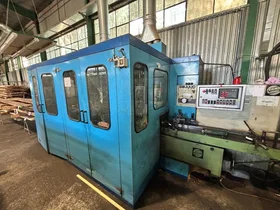
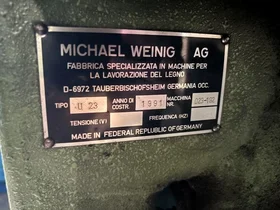
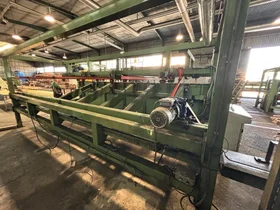
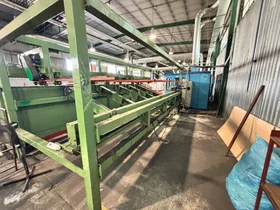
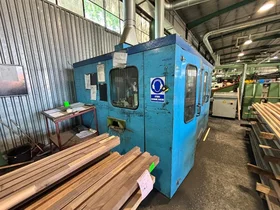
Four-Side Moulder Michael Weinig U 23 with Feeder (1991, Germany)
Added: 11.06.2026, 15:43

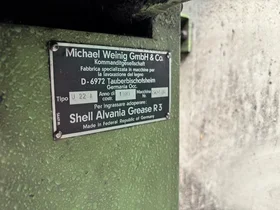
Four-Side Moulder A. Costa Mistral-PA6 (1998)
Added: 11.06.2026, 15:43
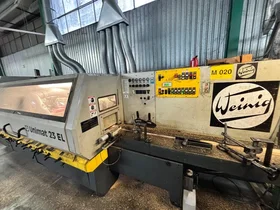
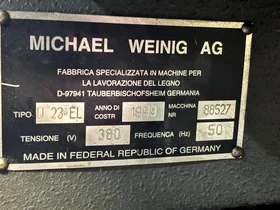
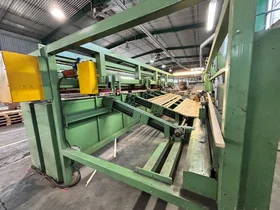
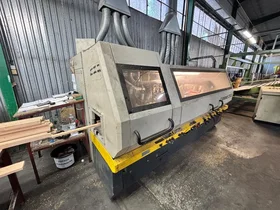
Production Four-Side Moulder A. Costa Mistral-PA6 6-Spindle (1997)
Added: 11.06.2026, 15:43
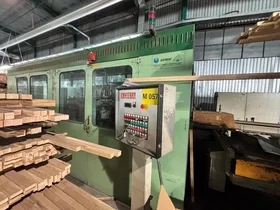
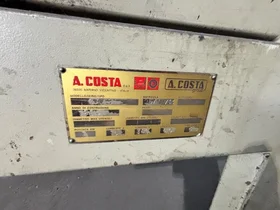
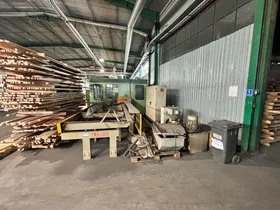
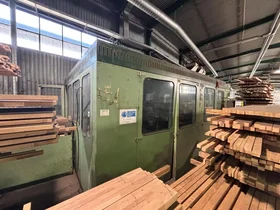
Four-Side Moulder A. Costa Mistral-PA6 (1992, 33 Years Worked)
Added: 11.06.2026, 15:43
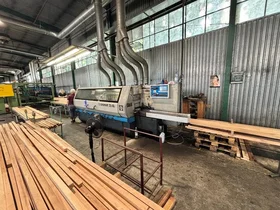
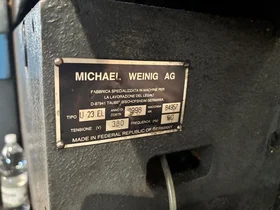
Wide Four-Side Moulder Kupfermühle / Weinig (Cast Iron Body)
Added: 11.06.2026, 15:37
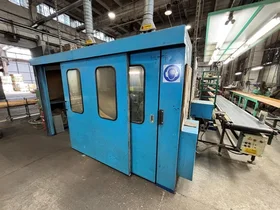
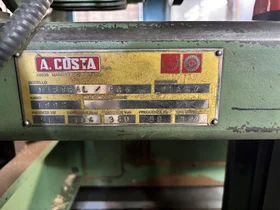
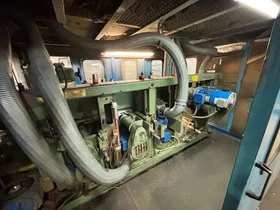
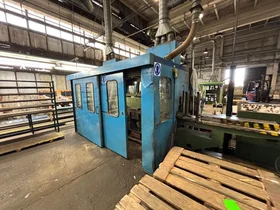
Four-Side Moulder Michael Weinig U23 EL (1999)
Added: 11.06.2026, 15:36
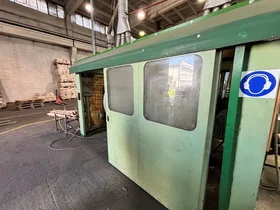
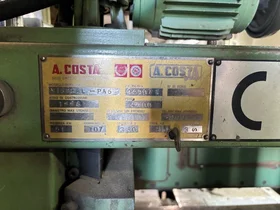
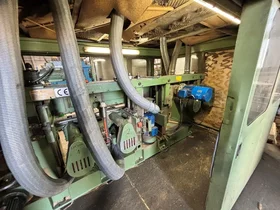
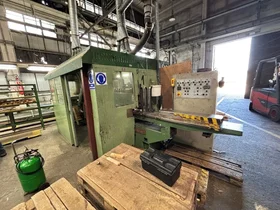
Industrial Four-Side Moulder Michael Weinig U 23 EL (1998)
Added: 11.06.2026, 15:36


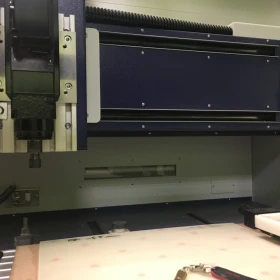
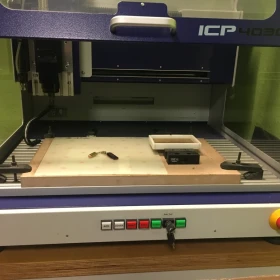

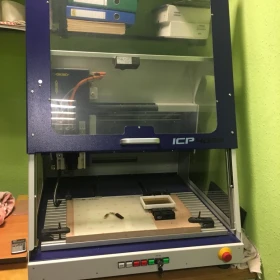

CNC milling machine imes-icore ICP 4030
Added: 03.12.2025, 23:47
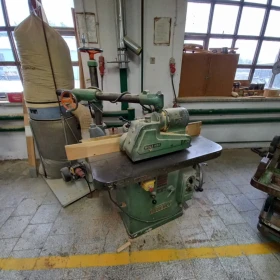
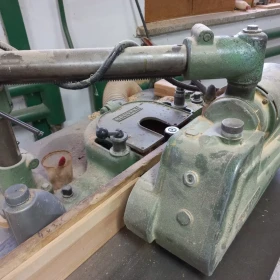
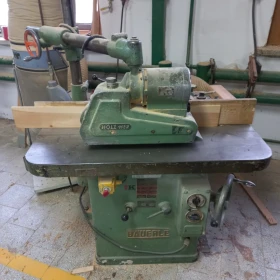
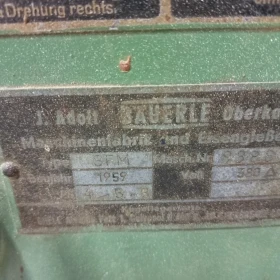
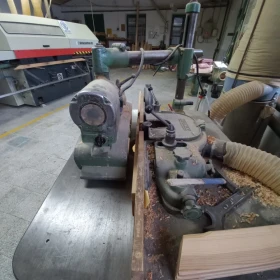
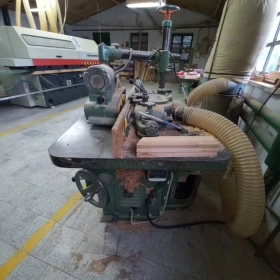
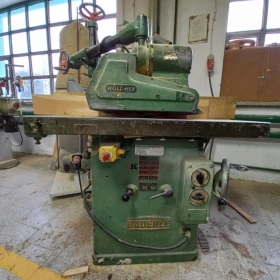
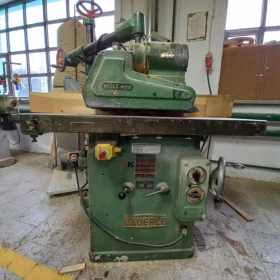
Spindle Moulder BAUERLE SFM with feed
Added: 31.01.2023, 14:11
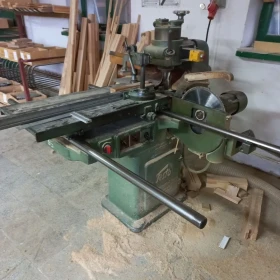
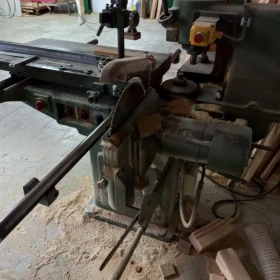
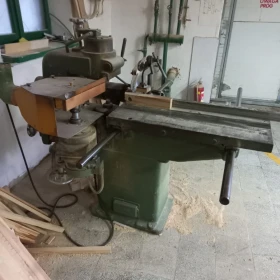
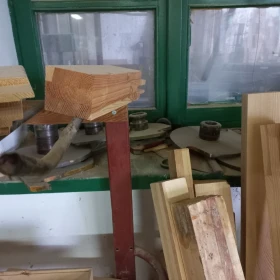
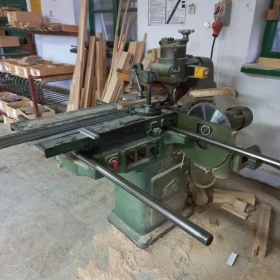
Tenoning Machine Festo ZA 101 - tools for windows and doors
Added: 31.01.2023, 14:06
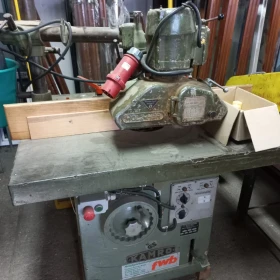
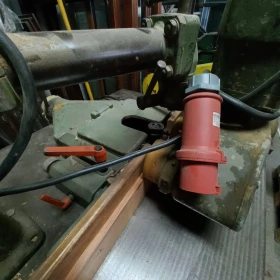
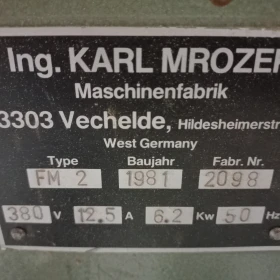
Spindle Moulder KAMRO FM2 with Holz Her feed
Added: 31.01.2023, 13:32
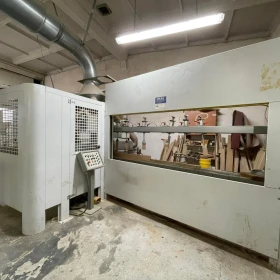
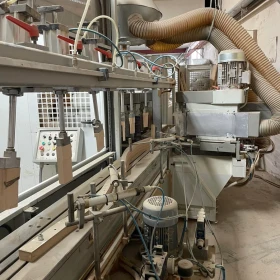
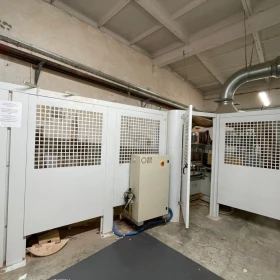
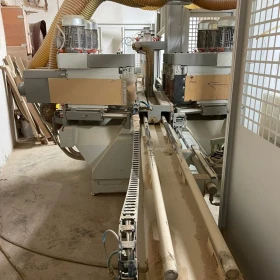
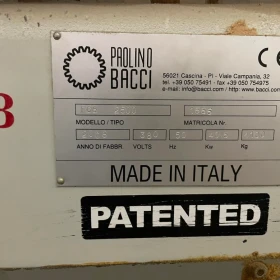
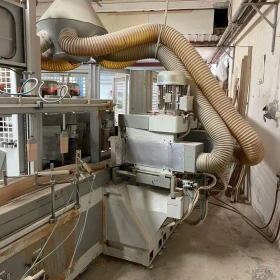
Linear Copying-Milling-Sanding Machine BACCI FC 6 2500
Added: 30.01.2023, 17:15
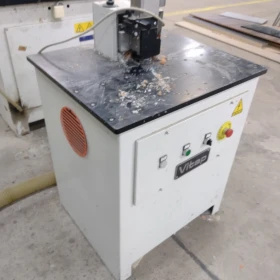
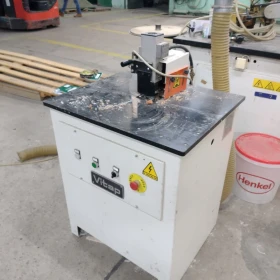
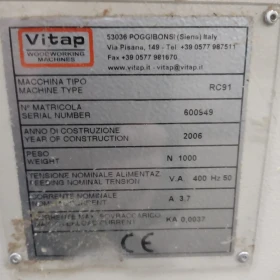
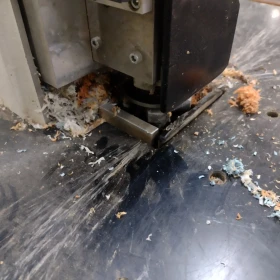
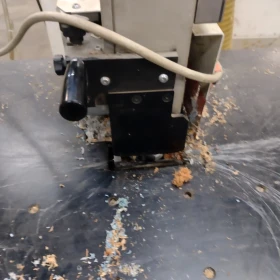
Edge Milling Machine VITAP RC 91
Added: 30.01.2023, 16:58
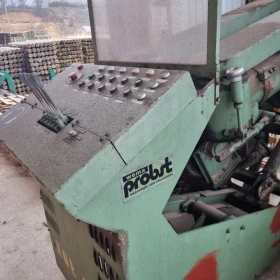
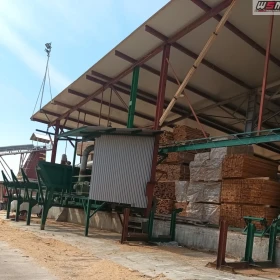
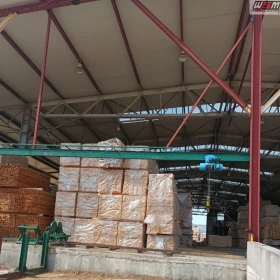
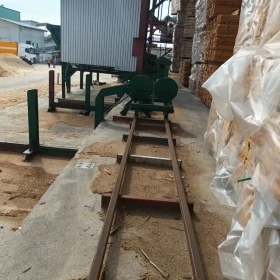
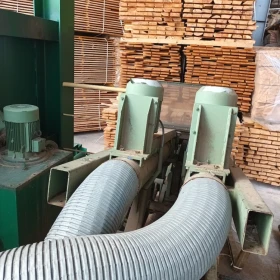
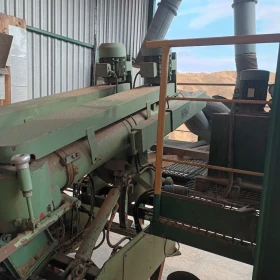
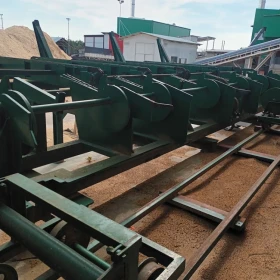
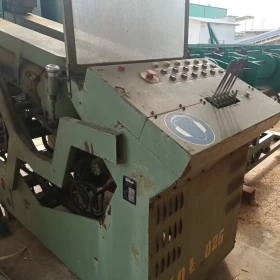
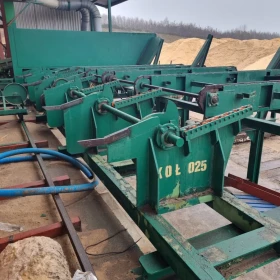
Debarking Machine WEMA PROBST MSM 70
Added: 30.01.2023, 16:53
Used milling machine for furniture production
Industrial milling machine process wood-based materials to mill, rout, and shape workpieces to exact dimensions and surface quality requirements. These machines serve small custom workshops as well as large-scale panel processing facilities. Buying used milling machine makes sense because industrial-grade machines from brands like Homag, Biesse, SCM, Brandt, Holz-Her are built for decades of service, and the secondary market offers 40–70% cost savings.
Types and applications of used milling machine
Different milling machine configurations serve different production requirements. Choosing the right type depends on your material, volume, and quality targets.
CNC machining centers
CNC machining centers execute complex 3D profiles with automatic tool change and program storage. Working areas from 1,500 × 3,000 mm to 3,000 × 6,000 mm.
Gantry and portal mills
Gantry mills use an overhead bridge structure to machine large panels and components. Ideal for doors, walls, and aerospace parts.
3-axis milling machines
3-axis machines move the tool in X, Y, and Z directions. Suitable for most panel processing and solid wood applications.
5-axis milling machines
5-axis machines add rotary axes for complex contours and undercuts. Essential for moulds, models, and sculptural components.
Nesting CNC routers
Nesting machines optimise sheet utilisation by cutting multiple parts from a single panel. Common in furniture and cabinet production.
Key technical parameters of used milling machine
Evaluating a used milling machine requires understanding specifications that determine compatibility with your production requirements.
Spindle speed
Operating speed affects productivity and quality. Variable speed drives allow optimisation for different materials, operations, and finish requirements.
Table size
Table size determines the maximum workpiece dimensions. Larger tables support bigger components but require more floor space and higher foundation loads.
X/y/z travel
X/Y/Z travel defines the maximum work envelope of a machining centre. Match these dimensions to your largest parts plus fixture clearance.
Tool changer capacity
Capacity defines the maximum output the machine can sustain under normal operating conditions without excessive wear or quality degradation.
Spindle power
Installed power determines throughput capacity and the range of materials the machine can process. Verify that your facility supply matches total connected load including auxiliary drives.
Control system
control system is a critical specification that determines machine suitability for your application. Verify against your production requirements.
Coolant system
Coolant systems extend tool life and improve surface finish by removing heat and chips. Check pump capacity, filter condition, and coolant type compatibility.
Buying checklist for used milling machine
Inspecting a second-hand milling machine before purchase reduces the risk of hidden defects and costly downtime. Use the following checklist during evaluation.
- Inspect mechanical components for wear, cracks, and unauthorised repairs.
- Check bearings for radial and axial play, unusual noise, and overheating during test runs.
- Verify electrical cabinet condition, safety circuits, and emergency stop functionality.
- Confirm voltage, frequency, and phase compatibility with your facility supply.
- Review maintenance logs, service invoices, and previous operating environment.
- Test all control functions including start, stop, speed variation, and safety interlocks.
- Assess spare parts availability and lead times for the specific brand and model.
- Request a trial run with your typical material, speed, and load conditions.
Typical industries and use cases
Used milling machine serve a wide range of industrial sectors. The following industries represent core demand on the European secondary machinery market.
- Furniture production: Manufacturing of cabinets, tables, chairs, and upholstered furniture frames.
- Joinery shops: Custom woodworking, staircases, built-in fittings, and architectural millwork.
- Kitchen manufacturing: Production of kitchen carcasses, worktops, doors, and drawer boxes.
- Panel processing plants: Cutting, edging, and drilling of chipboard, MDF, and plywood panels.
- Door and window production: Fabrication of interior and exterior doors, window frames, and shutters.
Buying used milling machine instead of new machines delivers immediate cost reduction, shorter delivery times, and proven mechanical reliability. Industrial equipment from Germany, Italy, Poland, Austria, Central and Eastern Europe is engineered for long service life, making the secondary market a rational sourcing channel.
Why buy used milling machine via WeSellMachines.com
WeSellMachines.com is a B2B marketplace specialising in used industrial machinery across Germany, Italy, Poland, Austria, Central and Eastern Europe. Our team inspects and documents every listing, verifies machine condition, and provides direct contact with sellers. We combine hands-on machinery expertise with transparent listings so buyers can source used milling machine with confidence.
FAQ: used milling machine
What is a milling machine and what is it used for?
A milling machine is industrial equipment used to mill, rout, and shape in manufacturing environments. It serves production facilities, workshops, and processing plants across multiple sectors. Key selection criteria include capacity, precision, power requirements, and compatibility with your existing workflow.
How much can I save by buying a used milling machine?
Savings on the secondary market typically range from 30% to 70% compared to new machines, depending on age, brand, condition, and included accessories. Premium brands retain value while still offering significant discounts.
Which brands of used milling machine are most reliable?
Homag, Biesse, SCM, Brandt, Holz-Her are widely regarded for durable construction and available spare parts. Machines from these manufacturers are common in the European used machinery market and supported by established service networks.
What should I check when inspecting a used milling machine?
Check mechanical wear, bearing condition, electrical safety, control functionality, and dimensional accuracy. Run the machine under load if possible and request maintenance records, manuals, and wiring diagrams.
Is it safe to buy a used milling machine without seeing it in person?
Risk can be minimised by requesting detailed photos, video of the machine running under load, maintenance records, and third-party inspection reports. WeSellMachines.com provides documented listings and direct seller communication.
Can a used milling machine be integrated with modern production systems?
Many used machines support standard interfaces and file formats. Verify the control model, available communication protocols, and software compatibility before purchase. Retrofit options are often available.
What is the typical power supply requirement?
Industrial machines usually require three-phase 400 V / 50 Hz supply. Confirm that your facility can deliver the required amperage and has appropriate circuit protection and earthing.
 Log in with Facebook
 Log in with Google