Used Carpentry Machines for Solid Wood Components
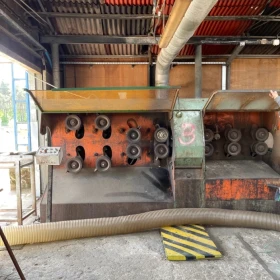
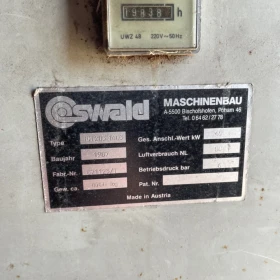

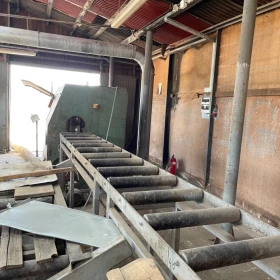
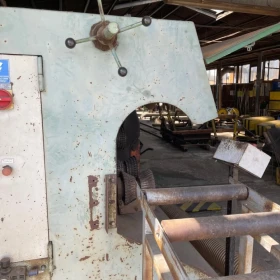
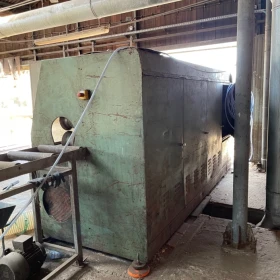
Used Oswald RM 203 Rounding Machine - Precision and efficiency in roundwood processing
Added: 27.05.2025, 16:23
Used Carpentry Machines for Solid Wood Components
Carpentry machines cover the solid-wood operations between rough stock and a finished component: shaping, rounding and profiling of parts that are too specialized for a panel saw. This category serves joineries, furniture component makers and workshops producing round-section elements — posts, dowels, rungs, handles — where batch repeatability decides the machine. Offerings here turn over as machines are sold and new ones listed, so the current listings are the definitive inventory for this page.
Rounding Machines — the Machine Class Behind This Category
Round-wood processing is what this category is built around. A rounding machine (round pole shaper) turns square or pre-cut stock into a continuous cylinder: the workpiece is fed through while a rotating head with knife holders cuts it to the target diameter. Machines are built as single-head or double-head designs, and knife-holder configurations vary with the material and the surface finish the part needs. Typical output is poles, dowels and other round-section elements used in furniture, handles and construction components. In manufacturer programmes, rounding, profiling, combined rounding-profiling and chamfering/pointing are separate machine types.
That split matters when buying: a standalone rounding machine does one operation, while combined units add profiling in the same pass. Check which operations a specific machine covers before assuming a single unit finishes your part. Occasional specialty machines for round-wood preparation also appear in the wider woodworking catalogue.
Where the Rest of the Carpentry Work Lives
Cutting, boring and joinery operations sit in neighbouring categories of this catalogue: milling machines for shaped profiles, mortisers and joinery machines for frame joints, woodturning machines and lathes for turned parts, and planers for dimensioning stock ahead of shaping. Panel-based work goes through CNC processing machines. The woodworking machinery overview shows the complete chain.
Parameters That Decide the Purchase
The first filter is geometric — the machine's working diameter and feed length must cover your largest part with room to spare. Beyond that:
- Head setup: single or double head, knife-holder count, and how quickly the machine changes over between diameters.
- Tooling supply: knives for your wood species available and sharpenable, with a sane stock of spares for that model.
- Feed system: roller and drive condition, feed speed range, and straightness of tracking over your typical stock lengths.
- Drive power relative to the material you actually cut — green hardwood demands more than dry softwood.
- Chip and dust extraction: connection size and airflow, since round-wood machining produces long, continuous shavings.
- Control: mechanical settings versus programmed presets, and what that means for set-up time between batches.
- Wear items that are expensive to replace: head bearings, feed rollers, centres and guards.
Before You Buy: Inspection Checklist
- Run stock of your own material through the machine and measure the output diameter at several points along the length.
- Listen to the head bearings at working speed and feel for vibration in the frame.
- Inspect feed rollers and centres for wear, slippage and misalignment.
- Ask about knife history and the sharpening routine the machine has seen.
- Confirm spare-part availability for the exact model and year before committing.
- Check guards, emergency stops and CE documentation status.
- Plan transport early: infeed and outfeed length set the space you need on both sides of the machine.
Our machine appraisal methodology explains how condition and configuration translate into a market valuation. If this purchase replaces an existing machine, the old one can be listed through sell your machine.
FAQ
What does a rounding machine produce?
Square or pre-cut stock becomes a cylinder — poles, dowels and similar round-section parts — in one continuous pass. The finished diameter is set by the head and knife setup; secondary operations such as chamfering, pointing or profiling may require separate machines unless you buy a combined unit.
Is one machine enough for my complete part?
Only when the machine is a combined rounding-profiling design. Standalone rounding machines do a single operation well, so check the listing description for which operations are included and treat the remaining steps as separate equipment.
 Log in with Facebook
 Log in with Google