Used excavator for civil engineering
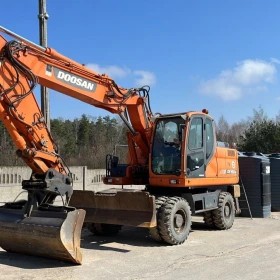
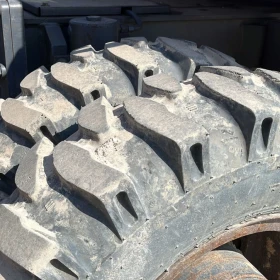
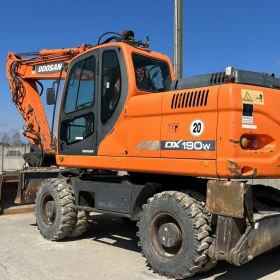
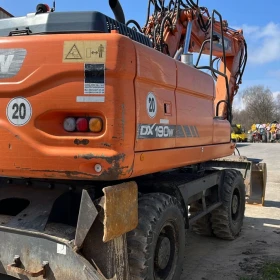
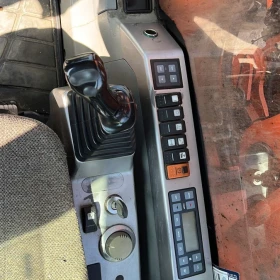
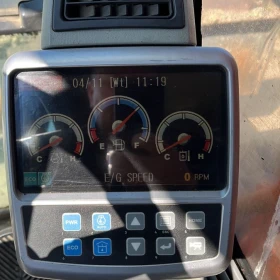
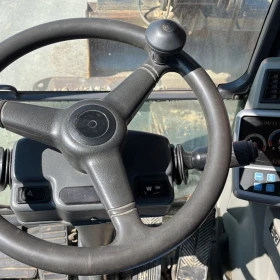
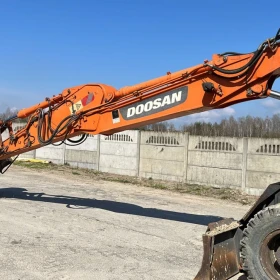
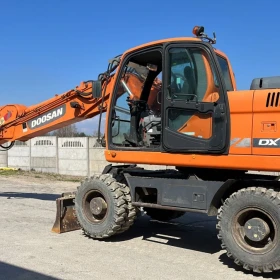
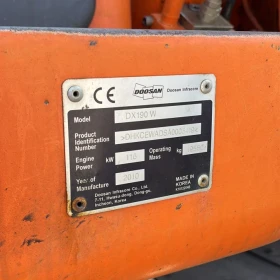
DOOSAN DX190W wheeled excavator, year of production 2010, first owner, in very good condition
Added: 11.04.2023, 18:09
Used excavator for civil engineering
A excavator is heavy equipment used on construction sites to excavate and move earth, materials, and structures. Civil engineering contractors, road builders, demolition firms, and mining operations rely on these machines. The European secondary market for construction machinery is liquid, with inspected machines and transparent hour meters.
Types and applications of used excavator
Different excavator configurations serve different production requirements. Choosing the right type depends on your material, volume, and quality targets.
Crawler excavators
Crawler excavators move on tracks for stability and traction in rough terrain. The most common configuration.
Wheeled excavators
Wheeled excavators travel on roads at higher speeds. Ideal for urban construction and utility work.
Mini excavators
Mini excavators under 6 tonnes access confined spaces. Popular in landscaping, demolition, and interior work.
Long-reach excavators
Long-reach excavators extend the boom and arm for dredging, slope work, and demolition at height.
Amphibious excavators
Amphibious excavators use pontoon undercarriages for work in wetlands, canals, and shallow water.
Key technical parameters of used excavator
Evaluating a used excavator requires understanding specifications that determine compatibility with your production requirements.
Operating weight
Machine weight indicates rigidity and vibration damping. Heavier machines generally produce better surface finish and hold tighter tolerances over time.
Bucket capacity
Capacity defines the maximum output the machine can sustain under normal operating conditions without excessive wear or quality degradation.
Digging depth
Digging depth determines how deep the machine can excavate. Check against your trench, foundation, or pit requirements.
Reach
Reach is the maximum horizontal distance from the machine centre to the bucket cutting edge. Longer reach improves versatility.
Engine power
Installed power determines throughput capacity and the range of materials the machine can process. Verify that your facility supply matches total connected load including auxiliary drives.
Track vs wheeled
Track machines offer better traction and lower ground pressure; wheeled machines travel faster on roads and cause less surface damage.
Buying checklist for used excavator
Inspecting a second-hand excavator before purchase reduces the risk of hidden defects and costly downtime. Use the following checklist during evaluation.
- Inspect mechanical components for wear, cracks, and unauthorised repairs.
- Check bearings for radial and axial play, unusual noise, and overheating during test runs.
- Verify electrical cabinet condition, safety circuits, and emergency stop functionality.
- Confirm voltage, frequency, and phase compatibility with your facility supply.
- Review maintenance logs, service invoices, and previous operating environment.
- Test all control functions including start, stop, speed variation, and safety interlocks.
- Assess spare parts availability and lead times for the specific brand and model.
- Request a trial run with your typical material, speed, and load conditions.
Typical industries and use cases
Used excavator serve a wide range of industrial sectors. The following industries represent core demand on the European secondary machinery market.
- Civil engineering: Road building, bridge construction, tunneling, and earthworks.
- Road construction: Asphalt laying, grading, compaction, and road maintenance.
- Building contractors: Residential, commercial, and industrial building projects.
- Mining: Extraction of minerals, ores, and aggregates from surface and underground operations.
- Demolition: Structural dismantling, concrete breaking, and site clearance.
Buying used excavator instead of new machines delivers immediate cost reduction, shorter delivery times, and proven mechanical reliability. Industrial equipment from Germany, Poland, Netherlands, EU export is engineered for long service life, making the secondary market a rational sourcing channel.
Why buy used excavator via WeSellMachines.com
WeSellMachines.com is a B2B marketplace specialising in used industrial machinery across Germany, Poland, Netherlands, EU export. Our team inspects and documents every listing, verifies machine condition, and provides direct contact with sellers. We combine hands-on machinery expertise with transparent listings so buyers can source used excavator with confidence.
FAQ: used excavator
What is a excavator and what is it used for?
A excavator is industrial equipment used to excavate and move in manufacturing environments. It serves production facilities, workshops, and processing plants across multiple sectors. Key selection criteria include capacity, precision, power requirements, and compatibility with your existing workflow.
How much can I save by buying a used excavator?
Savings on the secondary market typically range from 30% to 70% compared to new machines, depending on age, brand, condition, and included accessories. Premium brands retain value while still offering significant discounts.
Which brands of used excavator are most reliable?
Caterpillar, Komatsu, Volvo, Liebherr, JCB are widely regarded for durable construction and available spare parts. Machines from these manufacturers are common in the European used machinery market and supported by established service networks.
What should I check when inspecting a used excavator?
Check mechanical wear, bearing condition, electrical safety, control functionality, and dimensional accuracy. Run the machine under load if possible and request maintenance records, manuals, and wiring diagrams.
Is it safe to buy a used excavator without seeing it in person?
Risk can be minimised by requesting detailed photos, video of the machine running under load, maintenance records, and third-party inspection reports. WeSellMachines.com provides documented listings and direct seller communication.
Can a used excavator be integrated with modern production systems?
Many used machines support standard interfaces and file formats. Verify the control model, available communication protocols, and software compatibility before purchase. Retrofit options are often available.
What is the typical power supply requirement?
Industrial machines usually require three-phase 400 V / 50 Hz supply. Confirm that your facility can deliver the required amperage and has appropriate circuit protection and earthing.
 Log in with Facebook
 Log in with Google