Used lacquering machines & equipment for furniture production

 Featured
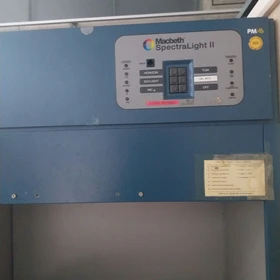
Used Macbeth SpectraLight II Color Assessment Light Booth – Germany
Added: 23.09.2026, 18:01
 Featured
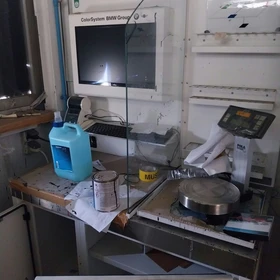
Used BMW Group ColorSystem Paint Mixing Station with Sartorius PMA Precision Scale – Germany
Added: 23.09.2026, 18:01
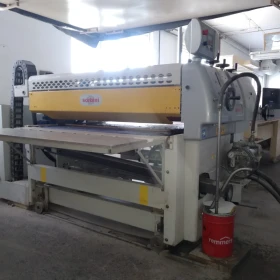

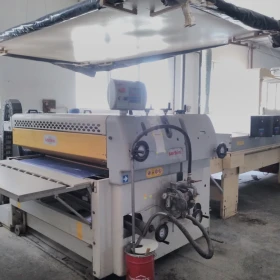
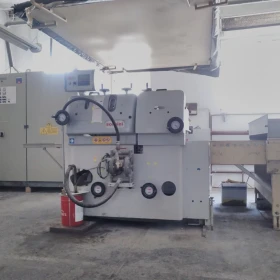
UV Coating Line (roller applicator)
Added: 19.05.2025, 09:54

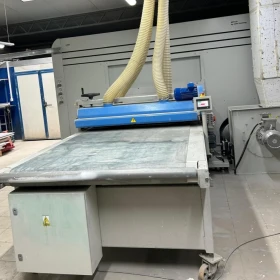

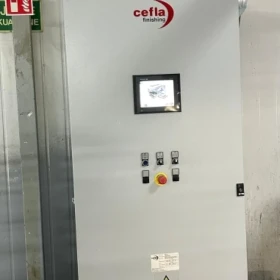
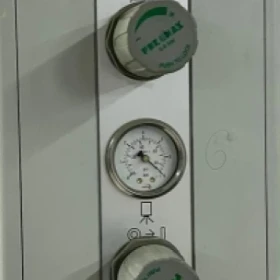
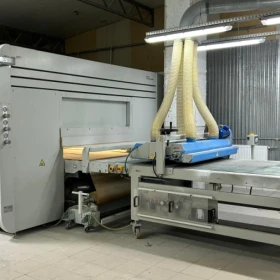
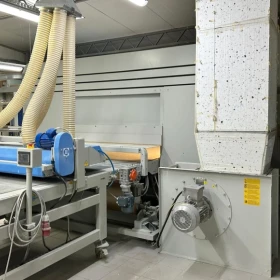
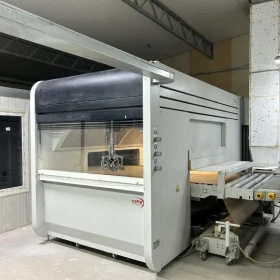
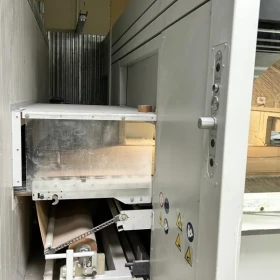


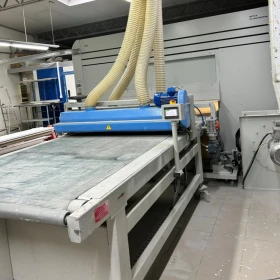
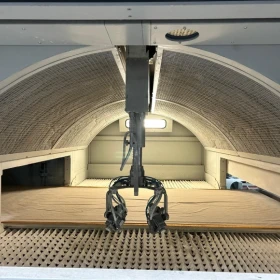
Cefla MITO K Painting Machine
Added: 09.04.2025, 14:49


Painting Booth Olympia Grossi HI 3A Urgent
Added: 05.03.2025, 09:56
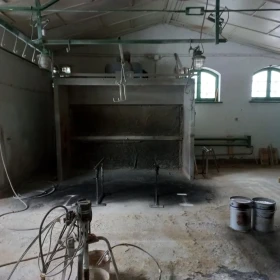
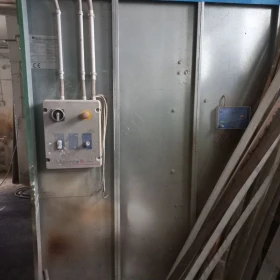
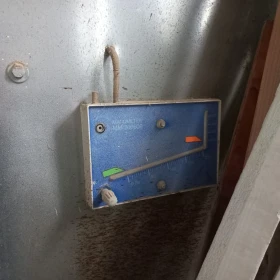
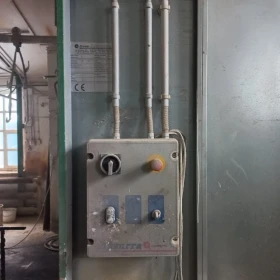
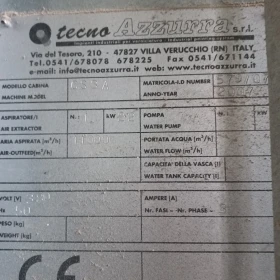
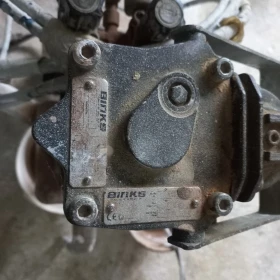
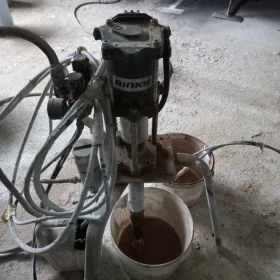
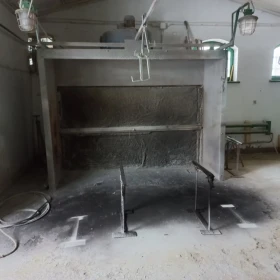
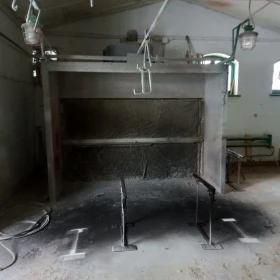
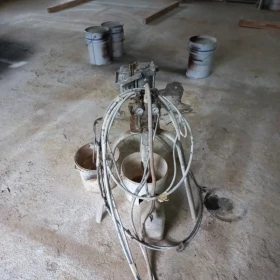
Painting wall - complete paint shop TECNO AZZURRA CS3A
Added: 30.01.2023, 16:32
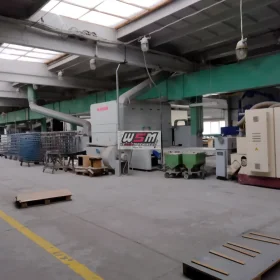
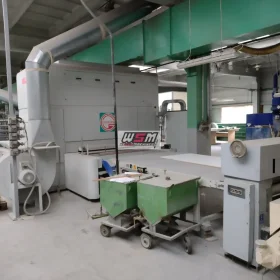
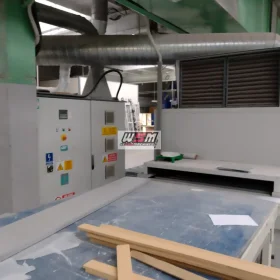
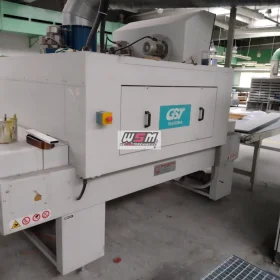
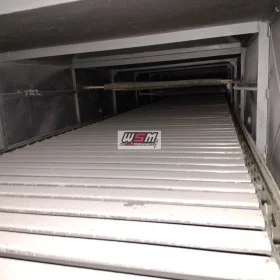
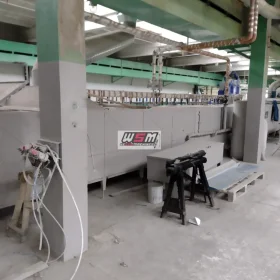
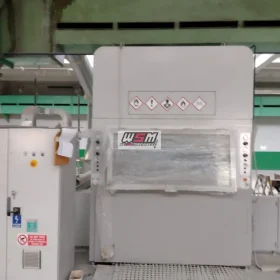
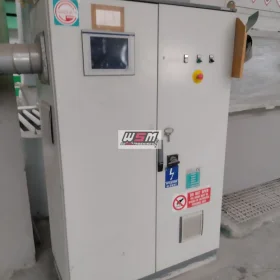
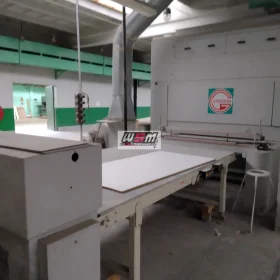
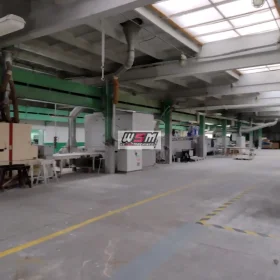
UV Painting Line GIARDINA 1400 mm DUALTECH 401 DRY / GST 1400/2
Added: 02.08.2022, 00:00
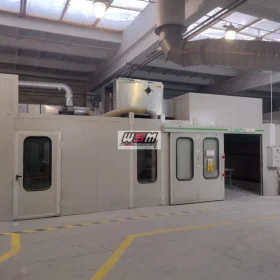


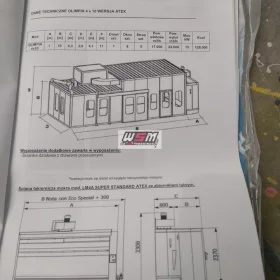
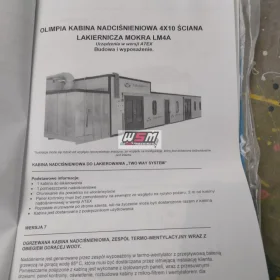
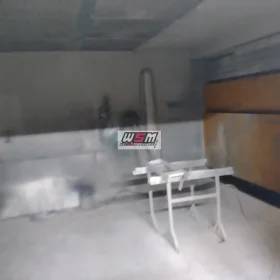
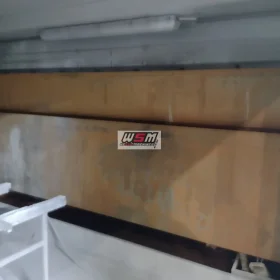
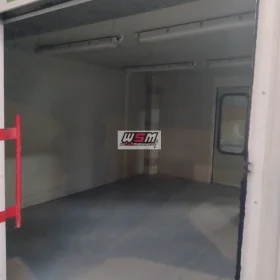
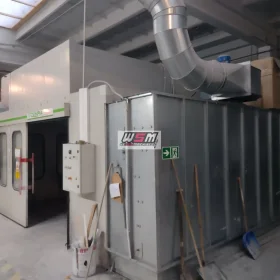
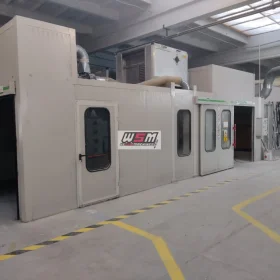
Overpressure Painting Booth / Painting Wall OLIMPIA 4 x 10 LM4A
Added: 02.08.2022, 00:00
Used lacquering machines & equipment for furniture production
Lacquering machines & equipment are essential machines in woodworking shops, used to process and transform timber and panel materials with precision and repeatability. These machines serve small custom workshops as well as large-scale panel processing facilities. A well-maintained used lacquering machines & equipment delivers comparable performance to new equipment at a fraction of the CAPEX, especially when basic wear parts are renewed after purchase.
Types and applications of used lacquering machines & equipment
Different lacquering machines & equipment configurations serve different production requirements. Choosing the right type depends on your material, volume, and quality targets.
Manual lacquering machines & equipment
Manual lacquering machines & equipment require operator skill and physical effort. Suitable for low-volume workshops and custom work.
Semi-automatic lacquering machines & equipment
Semi-automatic lacquering machines & equipment combine operator setup with powered operation. Common in mid-size production environments.
Automatic lacquering machines & equipment
Automatic lacquering machines & equipment run production cycles with minimal intervention. Ideal for high-volume, repetitive operations.
CNC lacquering machines & equipment
CNC-controlled lacquering machines & equipment execute programmed cycles with automatic tool change and data logging. Suitable for batch-one and high-mix manufacturing.
Industrial lacquering machines & equipment
Industrial-grade lacquering machines & equipment are built for continuous operation in demanding production environments.
Key technical parameters of used lacquering machines & equipment
Evaluating a used lacquering machines & equipment requires understanding specifications that determine compatibility with your production requirements.
Working dimensions
Working dimensions define the envelope of material the machine can handle. Match these to your largest workpieces with a safety margin for future requirements.
Power
Installed power determines throughput capacity and the range of materials the machine can process. Verify that your facility supply matches total connected load including auxiliary drives.
Speed
Operating speed affects productivity and quality. Variable speed drives allow optimisation for different materials, operations, and finish requirements.
Control system
control system is a critical specification that determines machine suitability for your application. Verify against your production requirements.
Weight
Machine weight indicates rigidity and vibration damping. Heavier machines generally produce better surface finish and hold tighter tolerances over time.
Year of manufacture
Year of manufacture indicates control technology generation and remaining service life. Newer machines may offer better energy efficiency and safety compliance.
Condition
Overall condition includes mechanical wear, electrical state, and cosmetic damage. Request inspection reports, photos of critical areas, and test run videos.
Buying checklist for used lacquering machines & equipment
Inspecting a second-hand lacquering machines & equipment before purchase reduces the risk of hidden defects and costly downtime. Use the following checklist during evaluation.
- Inspect mechanical components for wear, cracks, and unauthorised repairs.
- Check bearings for radial and axial play, unusual noise, and overheating during test runs.
- Verify electrical cabinet condition, safety circuits, and emergency stop functionality.
- Confirm voltage, frequency, and phase compatibility with your facility supply.
- Review maintenance logs, service invoices, and previous operating environment.
- Test all control functions including start, stop, speed variation, and safety interlocks.
- Assess spare parts availability and lead times for the specific brand and model.
- Request a trial run with your typical material, speed, and load conditions.
Typical industries and use cases
Used lacquering machines & equipment serve a wide range of industrial sectors. The following industries represent core demand on the European secondary machinery market.
- Furniture production: Manufacturing of cabinets, tables, chairs, and upholstered furniture frames.
- Joinery shops: Custom woodworking, staircases, built-in fittings, and architectural millwork.
- Kitchen manufacturing: Production of kitchen carcasses, worktops, doors, and drawer boxes.
- Panel processing plants: Cutting, edging, and drilling of chipboard, MDF, and plywood panels.
- Door and window production: Fabrication of interior and exterior doors, window frames, and shutters.
Buying used lacquering machines & equipment instead of new machines delivers immediate cost reduction, shorter delivery times, and proven mechanical reliability. Industrial equipment from Germany, Italy, Poland, Austria, Central and Eastern Europe is engineered for long service life, making the secondary market a rational sourcing channel.
Why buy used lacquering machines & equipment via WeSellMachines.com
WeSellMachines.com is a B2B marketplace specialising in used industrial machinery across Germany, Italy, Poland, Austria, Central and Eastern Europe. Our team inspects and documents every listing, verifies machine condition, and provides direct contact with sellers. We combine hands-on machinery expertise with transparent listings so buyers can source used lacquering machines & equipment with confidence.
FAQ: used lacquering machines & equipment
What is a lacquering machines & equipment and what is it used for?
A lacquering machines & equipment is industrial equipment used to process and transform in manufacturing environments. It serves production facilities, workshops, and processing plants across multiple sectors. Key selection criteria include capacity, precision, power requirements, and compatibility with your existing workflow.
How much can I save by buying a used lacquering machines & equipment?
Savings on the secondary market typically range from 30% to 70% compared to new machines, depending on age, brand, condition, and included accessories. Premium brands retain value while still offering significant discounts.
Which brands of used lacquering machines & equipment are most reliable?
Homag, Biesse, SCM, Brandt, Holz-Her are widely regarded for durable construction and available spare parts. Machines from these manufacturers are common in the European used machinery market and supported by established service networks.
What should I check when inspecting a used lacquering machines & equipment?
Check mechanical wear, bearing condition, electrical safety, control functionality, and dimensional accuracy. Run the machine under load if possible and request maintenance records, manuals, and wiring diagrams.
Is it safe to buy a used lacquering machines & equipment without seeing it in person?
Risk can be minimised by requesting detailed photos, video of the machine running under load, maintenance records, and third-party inspection reports. WeSellMachines.com provides documented listings and direct seller communication.
Can a used lacquering machines & equipment be integrated with modern production systems?
Many used machines support standard interfaces and file formats. Verify the control model, available communication protocols, and software compatibility before purchase. Retrofit options are often available.
What is the typical power supply requirement?
Industrial machines usually require three-phase 400 V / 50 Hz supply. Confirm that your facility can deliver the required amperage and has appropriate circuit protection and earthing.
Used lacquering machines: spray lines, drying and surface finishing
Lacquering equipment prepares and coats wood, metal and plastic surfaces: sanding and brushing lines, spray booths and automatic spray machines with reciprocators or robots, UV roller coaters and curtain coaters, drying tunnels with IR, hot air or UV curing, overhead conveyors, paint kitchens with dosing and colour-change systems, and extraction with dry or wet filtration. Used lines come from furniture factories changing coating systems, joinery shops moving from manual spraying to automation, and subcontractors closing finishing departments — often with roller sets, spray guns, pumps and spare filters that keep the line running from day one.
Start from the coating chemistry and the part geometry. Water-based lacquers need stainless product-contact parts and controlled drying climates; UV systems need curing tunnels matched to line speed; solvent lines need explosion-protected electrics and solvent-rated extraction. Check the working width, the part height clearance, conveyor speed range and load capacity, plus the air volume your compressor must deliver for the guns. Ask which lacquer systems ran on the line, since a line tuned for one chemistry may need conversion work for another.
Buying guide: where finishing lines hide their faults
Test with your own parts whenever possible. On spray machines, check gun patterns on cardboard, the repeatability of the reciprocator stroke, turntable or belt tracking, and overspray recovery efficiency. On roller and curtain coaters, inspect rollers for cuts and flat spots, the condition of doctor blades, and the evenness of the film across the working width. Drying tunnels must hold temperature and airflow uniformly: ask for logged temperature curves and verify that burners, IR cassettes or UV lamps strike reliably. Conveyor chains, guides and drives should run quietly at all speeds without jerking coated parts.
Paint kitchen, dosing and safety
The paint kitchen decides finish quality as much as the guns: verify dosing pumps, flow meters, agitation, heating and viscosity control, plus the colour-change and flushing routines. Check that ATEX-rated components are intact on solvent installations — fans, motors, lighting and switches — and that the extraction filters, fire dampers and suppression connections match current requirements. Missing or modified safety equipment is a project cost, not a detail: price the retrofit before agreeing the price of the line.
Dismantling, cleaning and recommissioning
Lacquering lines are long and interconnected: photograph every section, label ducts, cables and hoses, and drain and flush paint circuits before transport, since dried lacquer ruins pumps and guns. Plan the new layout with distances for loading, flash-off, drying and cooling zones, plus the air make-up and exhaust routes your permit requires. Budget for new filters, lamps with logged hours, replacement nozzles and a commissioning run with your lacquer supplier present to dial in film thickness and curing.
Frequently asked questions
How do I verify coating quality before buying?
Send sample parts to run on the line and measure dry film thickness, gloss, adhesion with a cross-cut test and levelling. Compare results across the working width and at different conveyor speeds to reveal uneven application or curing.
Can a solvent line convert to water-based lacquer?
Often yes, with stainless or coated product-contact parts, upgraded drying capacity and revised air handling. Ask the seller which conversions were already done and request a conversion quote from the line manufacturer before pricing the project.
What wears out on UV roller coaters?
Application and doctor rollers, bearings, UV lamps with limited hours, reflectors and the belt or transport system. Check lamp hour counters, reflector condition and roller surfaces, and confirm lamp and spare-roller availability for the exact width.
What documents should a finishing line include?
Layout drawings, electrical and pneumatic diagrams, the explosion-protection document where applicable, maintenance logs, filter and lamp change records, and the declaration of conformity. For machines placed on the EU market after 1995, guards, interlocks and extraction performance affect approval and insurance.
 Log in with Facebook
 Log in with Google