Used other woodworking machinery and plant equipment
Besides standard saws, presses and CNC centres, a woodworking plant needs supporting equipment: panel handling and manipulation stations, levelling and milling lines, dust extraction and chip transport systems, glue spreaders and similar machinery. That is what this category collects — current listings include a semi-automatic vacuum panel manipulation station, a panel levelling technological line with milling and manipulators, a 55 kW central dust extraction unit with heat recovery, a chip and shaving transport system and a Buerkle glue spreader.
Inspection priorities differ by machine type. On dust extraction, check fan impeller wear, motor condition, filter state and ducting completeness — a weak fan or missing filters turn a bargain into a rebuild. On panel handling stations, test the vacuum gripper seals and run the full work cycle. On glue spreaders such as the Buerkle ABM 1300, inspect the glue rollers, doctor roller adjustment and the glue pot.
Listings come from sellers across Poland; ask for a video of the machine running, its serial number and service records. WeSellMachines.com is a marketplace for used industrial machines and does not represent the manufacturers.

Automated Panel Manipulation Station - Semi-Automatic Vacuum Gripper
Added: 11.06.2026, 15:43
Panel Leveling Technological Line - Milling + Manipulators
Added: 11.06.2026, 15:36

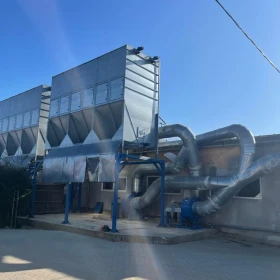
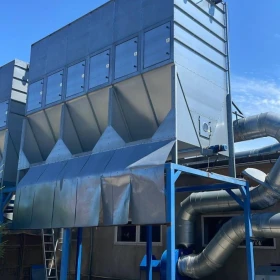
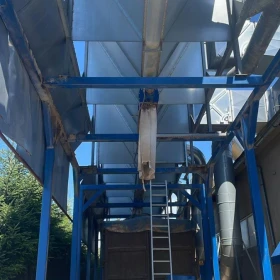
Central dust extraction system with 55kW motor and heat recovery
Added: 03.03.2025, 15:50

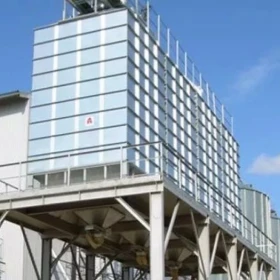
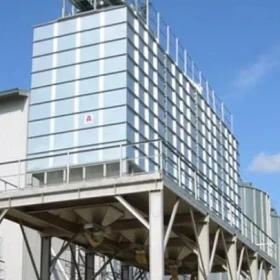
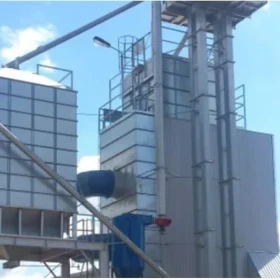
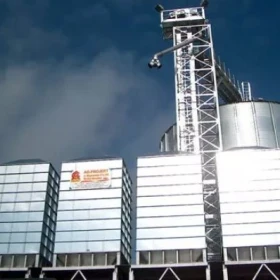
Chip and shaving transport system
Added: 04.02.2025, 18:34
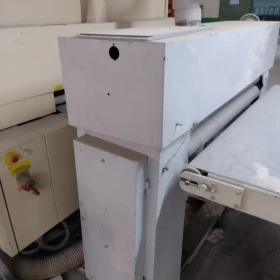
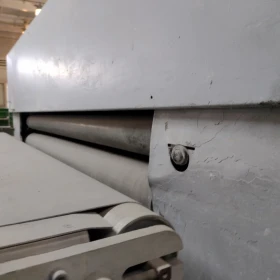
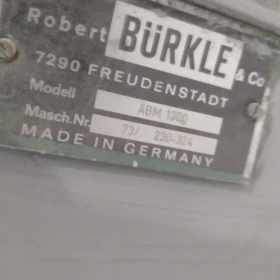
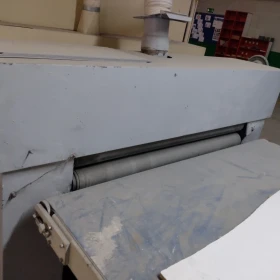
Glue Spreader Buerkle ABM 1300
Added: 30.01.2023, 15:02
Used other machinery for furniture production
Other machinery are essential machines in woodworking shops, used to process and transform timber and panel materials with precision and repeatability. Furniture factories, joinery shops, kitchen manufacturers, and panel processing plants across Europe rely on these machines. The European secondary market for woodworking machinery is mature and well-documented, making it possible to source reliable used other machinery with known service history.
Types and applications of used other machinery
Different other machinery configurations serve different production requirements. Choosing the right type depends on your material, volume, and quality targets.
Manual other machinery
Manual other machinery require operator skill and physical effort. Suitable for low-volume workshops and custom work.
Semi-automatic other machinery
Semi-automatic other machinery combine operator setup with powered operation. Common in mid-size production environments.
Automatic other machinery
Automatic other machinery run production cycles with minimal intervention. Ideal for high-volume, repetitive operations.
CNC other machinery
CNC-controlled other machinery execute programmed cycles with automatic tool change and data logging. Suitable for batch-one and high-mix manufacturing.
Industrial other machinery
Industrial-grade other machinery are built for continuous operation in demanding production environments.
Key technical parameters of used other machinery
Evaluating a used other machinery requires understanding specifications that determine compatibility with your production requirements.
Working dimensions
Working dimensions define the envelope of material the machine can handle. Match these to your largest workpieces with a safety margin for future requirements.
Power
Installed power determines throughput capacity and the range of materials the machine can process. Verify that your facility supply matches total connected load including auxiliary drives.
Speed
Operating speed affects productivity and quality. Variable speed drives allow optimisation for different materials, operations, and finish requirements.
Control system
control system is a critical specification that determines machine suitability for your application. Verify against your production requirements.
Weight
Machine weight indicates rigidity and vibration damping. Heavier machines generally produce better surface finish and hold tighter tolerances over time.
Year of manufacture
Year of manufacture indicates control technology generation and remaining service life. Newer machines may offer better energy efficiency and safety compliance.
Condition
Overall condition includes mechanical wear, electrical state, and cosmetic damage. Request inspection reports, photos of critical areas, and test run videos.
Buying checklist for used other machinery
Inspecting a second-hand other machinery before purchase reduces the risk of hidden defects and costly downtime. Use the following checklist during evaluation.
- Inspect mechanical components for wear, cracks, and unauthorised repairs.
- Check bearings for radial and axial play, unusual noise, and overheating during test runs.
- Verify electrical cabinet condition, safety circuits, and emergency stop functionality.
- Confirm voltage, frequency, and phase compatibility with your facility supply.
- Review maintenance logs, service invoices, and previous operating environment.
- Test all control functions including start, stop, speed variation, and safety interlocks.
- Assess spare parts availability and lead times for the specific brand and model.
- Request a trial run with your typical material, speed, and load conditions.
Typical industries and use cases
Used other machinery serve a wide range of industrial sectors. The following industries represent core demand on the European secondary machinery market.
- Furniture production: Manufacturing of cabinets, tables, chairs, and upholstered furniture frames.
- Joinery shops: Custom woodworking, staircases, built-in fittings, and architectural millwork.
- Kitchen manufacturing: Production of kitchen carcasses, worktops, doors, and drawer boxes.
- Panel processing plants: Cutting, edging, and drilling of chipboard, MDF, and plywood panels.
- Door and window production: Fabrication of interior and exterior doors, window frames, and shutters.
Buying used other machinery instead of new machines delivers immediate cost reduction, shorter delivery times, and proven mechanical reliability. Industrial equipment from Germany, Italy, Poland, Austria, Central and Eastern Europe is engineered for long service life, making the secondary market a rational sourcing channel.
Why buy used other machinery via WeSellMachines.com
WeSellMachines.com is a B2B marketplace specialising in used industrial machinery across Germany, Italy, Poland, Austria, Central and Eastern Europe. Our team inspects and documents every listing, verifies machine condition, and provides direct contact with sellers. We combine hands-on machinery expertise with transparent listings so buyers can source used other machinery with confidence.
FAQ: used other machinery
What is a other machinery and what is it used for?
A other machinery is industrial equipment used to process and transform in manufacturing environments. It serves production facilities, workshops, and processing plants across multiple sectors. Key selection criteria include capacity, precision, power requirements, and compatibility with your existing workflow.
How much can I save by buying a used other machinery?
Savings on the secondary market typically range from 30% to 70% compared to new machines, depending on age, brand, condition, and included accessories. Premium brands retain value while still offering significant discounts.
Which brands of used other machinery are most reliable?
Homag, Biesse, SCM, Brandt, Holz-Her are widely regarded for durable construction and available spare parts. Machines from these manufacturers are common in the European used machinery market and supported by established service networks.
What should I check when inspecting a used other machinery?
Check mechanical wear, bearing condition, electrical safety, control functionality, and dimensional accuracy. Run the machine under load if possible and request maintenance records, manuals, and wiring diagrams.
Is it safe to buy a used other machinery without seeing it in person?
Risk can be minimised by requesting detailed photos, video of the machine running under load, maintenance records, and third-party inspection reports. WeSellMachines.com provides documented listings and direct seller communication.
Can a used other machinery be integrated with modern production systems?
Many used machines support standard interfaces and file formats. Verify the control model, available communication protocols, and software compatibility before purchase. Retrofit options are often available.
What is the typical power supply requirement?
Industrial machines usually require three-phase 400 V / 50 Hz supply. Confirm that your facility can deliver the required amperage and has appropriate circuit protection and earthing.
FAQ
What should I check in a used dust extraction system?
Check the fan impeller for wear and imbalance, motor condition and rating, the state of filters or scrubbers, and the completeness of ducting and dampers. A weak fan or missing filters turn a cheap purchase into a rebuild, so ask for a video of the unit running and measure suction at the inlets if possible.
How do I evaluate a used panel handling station or manipulator?
Test the vacuum gripper seals and suction cups, run the full automatic work cycle, and check the repeatability of positioning. Inspect the structural frame for damage, the pneumatic or hydraulic components for leaks, and the control panel for fault history.
What should I inspect on a used glue spreader?
Inspect the glue rollers for wear and grooving, the doctor roller adjustment, the glue pot and pump, and the conveyor belt condition. Ask for a test run with glue to see even application, and check that all roller gaps adjust smoothly across the working width.
 Log in with Facebook
 Log in with Google