Used Lathes — CNC Lathes, Turning Centers and Engine Lathes
 Featured
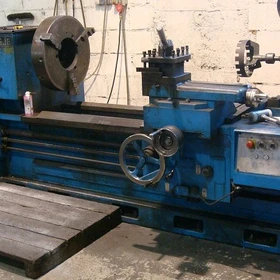
Used POTISJE PA Heavy-Duty Engine Lathe 2000 mm Between Centers – Świdwin
Added: 23.09.2026, 14:49
 Featured

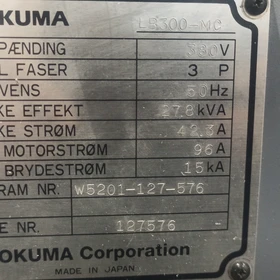
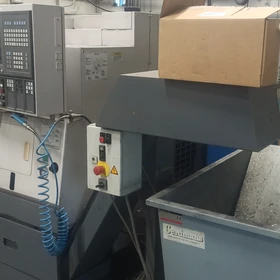
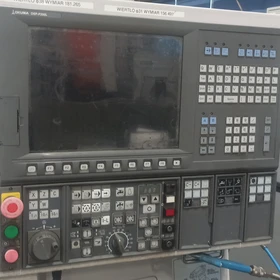
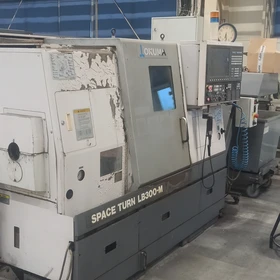
Used Okuma Space Turn LB300-M CNC Lathe 2006 – Serial No. 127576 – Kąty Wrocławskie
Added: 04.09.2026, 14:05
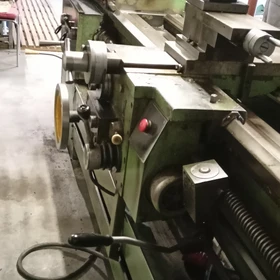



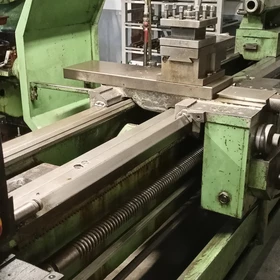
Used ZMM Sliven CU 580 Universal Lathe 1985 – Łódź
Added: 24.09.2026, 18:20
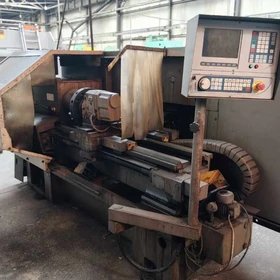
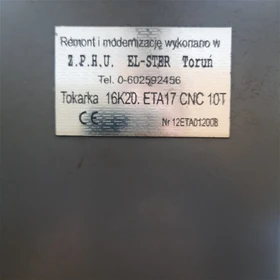
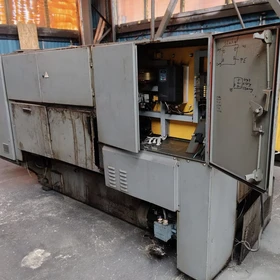
Used CNC Lathe 16K20 – EL-STER Modernized, ETA17 CNC 10T Control – Inowrocław
Added: 24.09.2026, 16:13
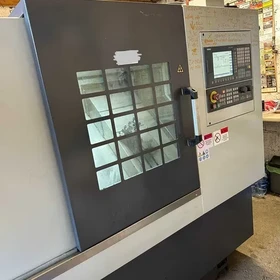
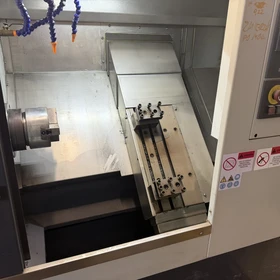
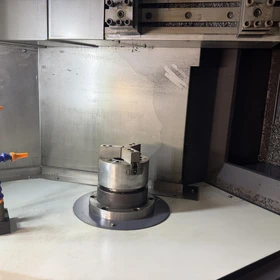
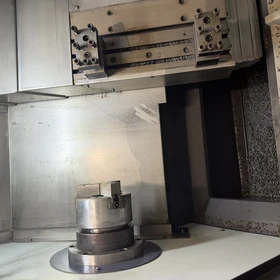
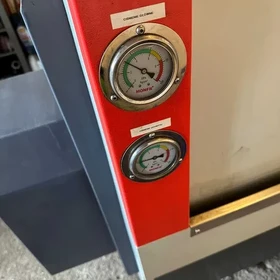
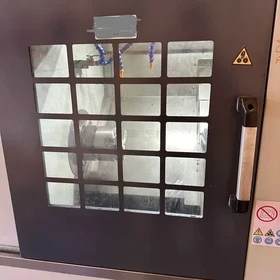
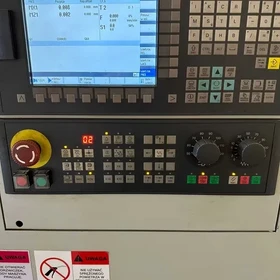
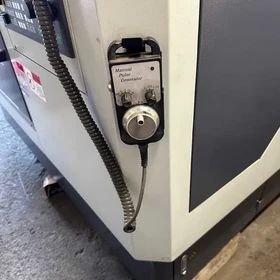
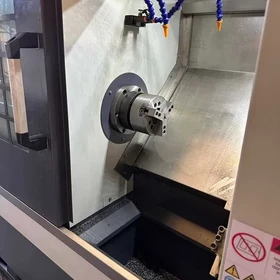
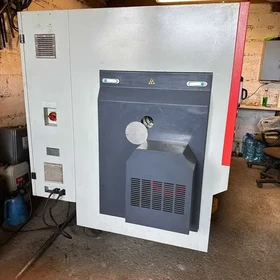
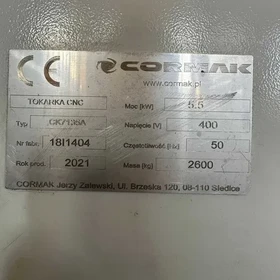
Used CORMAK CK7135A CNC Lathe with Slant Bed – Siemens Sinumerik, 2021 – Myślenice
Added: 24.09.2026, 15:50
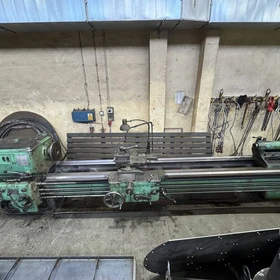

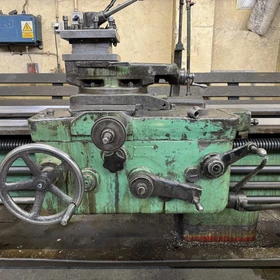
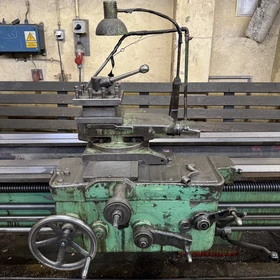
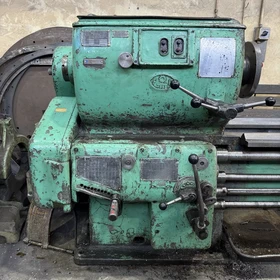
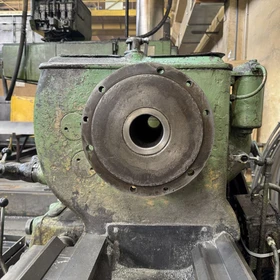
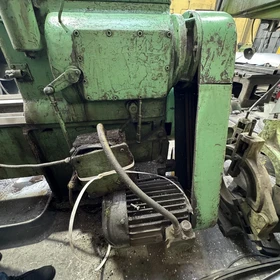
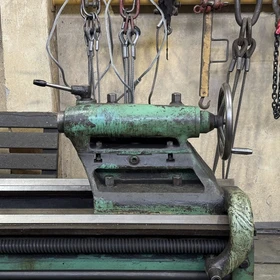
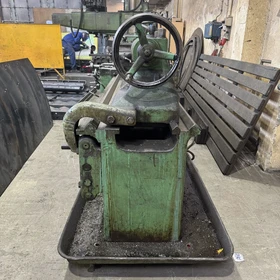
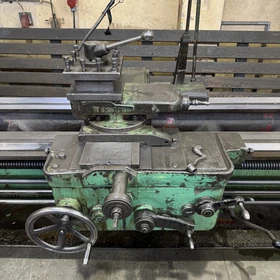
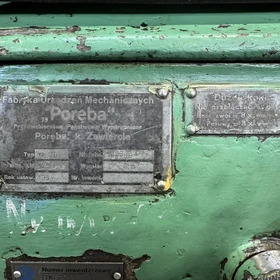
Poręba TR 70 Engine Lathe 1955 - 3m Turning Length
Added: 22.09.2026, 16:29
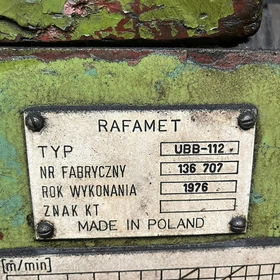
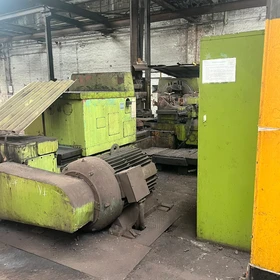
RAFAMET UBB-112 Railway Wheelset Lathe 1976 – Serial 136707 – Gliwice
Added: 10.08.2026, 16:37
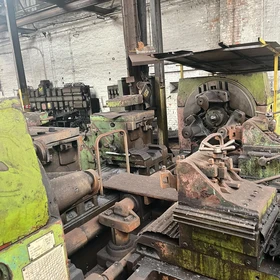
RAFAMET UBB-100-1 Railway Wheelset Lathe 1974 – Serial 236707-1 – Gliwice
Added: 10.08.2026, 16:37
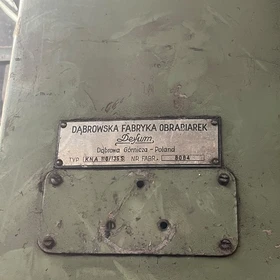
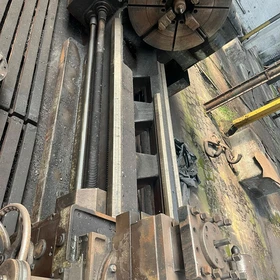
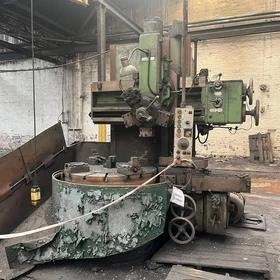

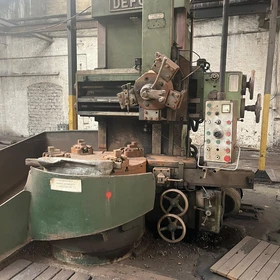
DEFUM KNA 110/135 Vertical Turret Lathe 1978 – Serial 6914 – Gliwice
Added: 10.08.2026, 16:37
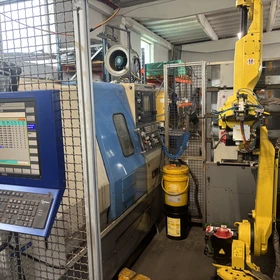
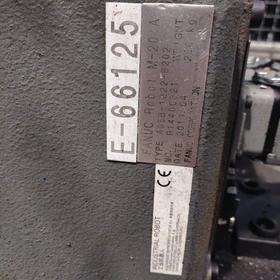
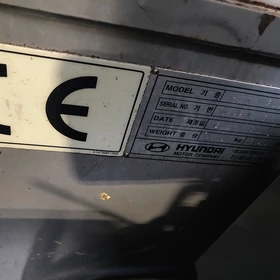
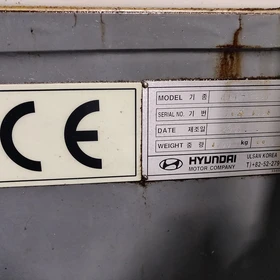
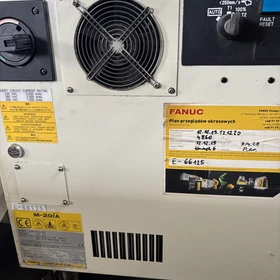
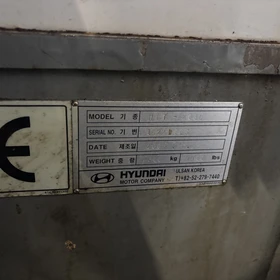
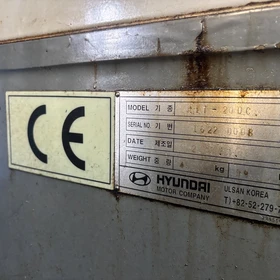
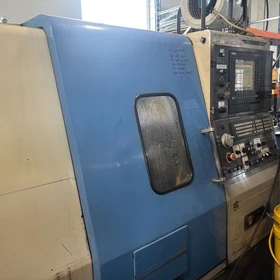
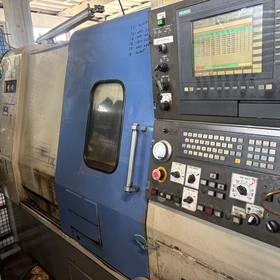
Hyundai HIT-200C ×2 + FANUC M-20iA Robotic Cell 2014 – Lubliniec
Added: 31.07.2026, 14:51
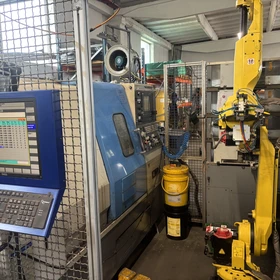
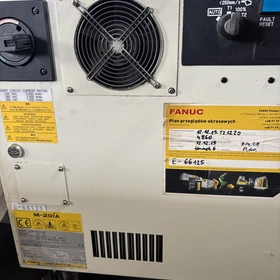
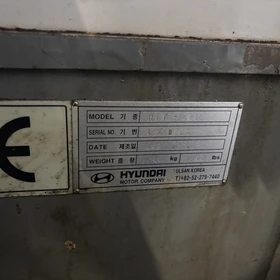
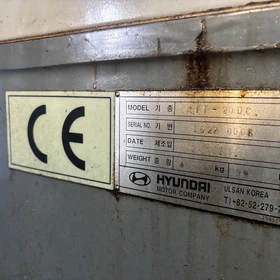
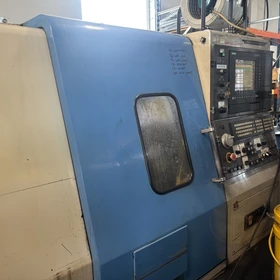
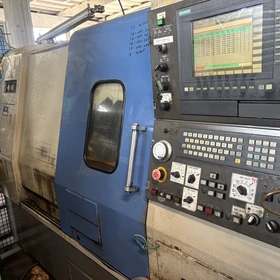
Hyundai HIT-200C CNC Lathe 2003 – Serial No. 1622D003 – Lubliniec
Added: 31.07.2026, 14:51
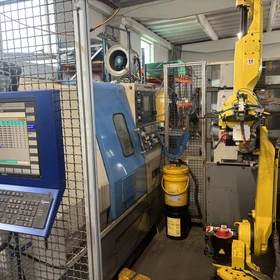
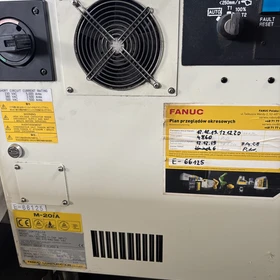
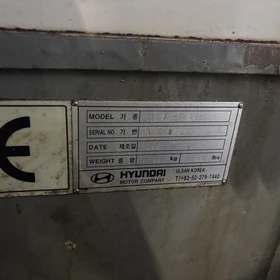
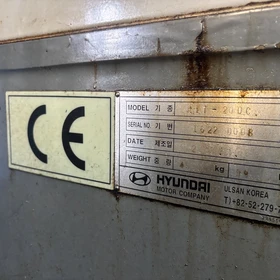
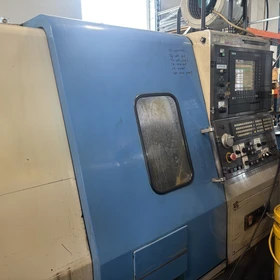
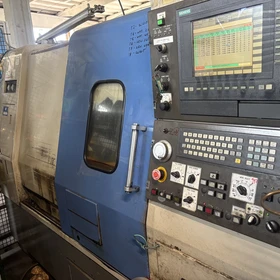
Hyundai HIT-200C CNC Lathe 2003 – Serial No. 1622D008 – Lubliniec
Added: 31.07.2026, 14:51
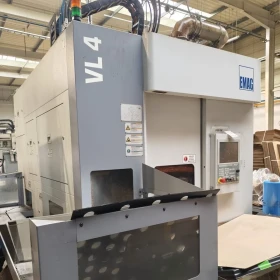
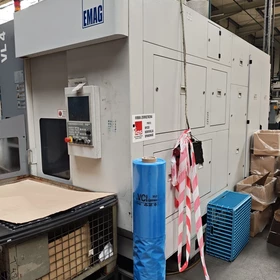
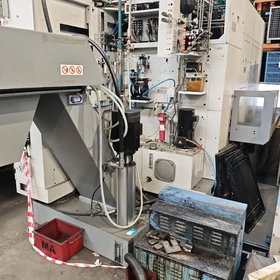
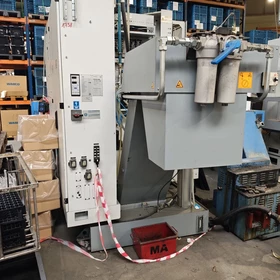
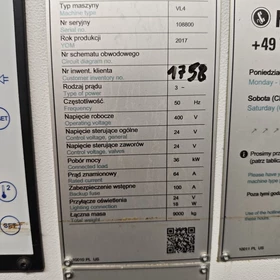
Vertical CNC turning center EMAG VL 4 2017 | Chuck diameter 250 mm
Added: 11.06.2026, 15:20
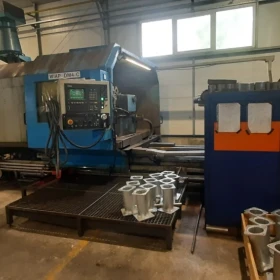
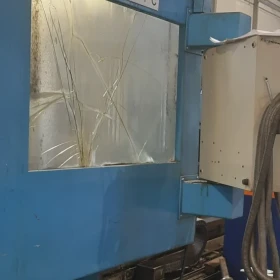

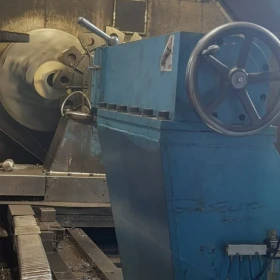
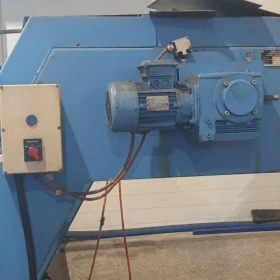
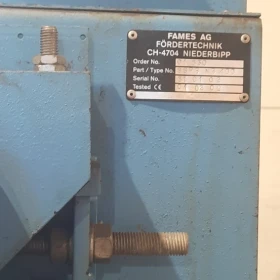
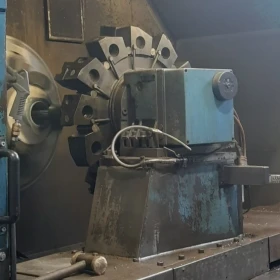
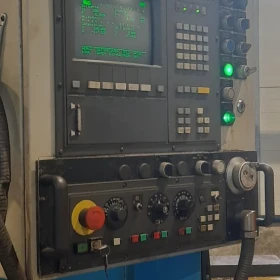
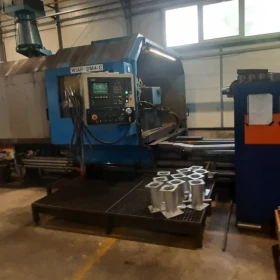
WIAP DM4-C – Heavy-Duty CNC Lathe (1998/2024) | Ø1600 mm | VDSF Technology Urgent
Added: 05.03.2026, 12:00


CORMAK CJ6250YC/1500 (2023) | Universal Lathe 1500 mm – 105 mm Bore
Added: 05.03.2026, 10:29
Used Lathes for Metal — Conventional and CNC Turning
Lathes produce cylindrical parts: shafts, bushings, flanges, discs and turned components for every branch of metal fabrication. This category covers used lathes across the configurations traded in Europe — manual engine lathes for toolrooms and repair shops, CNC lathes and turning centers for production, vertical machines for heavy chucked parts, and special-purpose units from plants that retool or close lines. Each listing states its own configuration and condition.
Lathe Types and Their Typical Work
- Universal (engine) lathes. Manually operated machines for shafts, threads, facing and general repair work; long-bed versions handle shafts well beyond the swing of a compact lathe. Some conventional lathes carry a digital readout.
- CNC lathes and turning centers. Horizontal production machines — flat or slant bed — with a turret instead of a tool post. Bar-fed and chucking versions cover serial parts; machines with driven tools, a Y-axis or a sub-spindle complete milling, drilling and back-end operations in one clamping. Brand pages here: Mazak, Okuma.
- Vertical CNC lathes and turning centers. The part sits on a horizontal chuck and the spindle works from above (or below, in pick-up designs), so heavy, large-diameter chucked parts are carried by the machine and chips fall away from the cutting zone.
- Vertical turret lathes and heavy-duty lathes. Large-swing machines for oversized workpieces — housings, rings, flanges — beyond a horizontal turning center's capacity.
- Special-purpose turning. Machines built for one part family appear here too — railway wheelset lathes, gear-cutting lathes for toothed parts, automatic lathes for small turned components in volume.
Specs That Decide the Purchase
Match the machine to the part family you run, then check the numbers on the specific machine:
- Working envelope: swing over bed, maximum turning diameter and length, distance between centers on conventional lathes.
- Spindle side: bore diameter and bar capacity, chuck size, power and speed range against your materials and part diameters.
- Tooling side: turret stations, driven (live) tooling and its speed and torque, Y-axis and sub-spindle availability, tailstock, steady rests — and what tooling is included in the sale.
- Control system and generation: programming style, hardware condition, and support or spare availability. Controls such as Siemens Sinumerik and FANUC appear on machines in this category.
- Accuracy state: backlash and compensation values on both axes, guideway and ballscrew wear, positioning repeatability measured on the machine.
- Automation and handling: bar feeder, chip conveyor, parts catchers, robotic cells where the listing includes them.
- Facility fit: power supply, floor loading and foundation for heavy machines.
Before You Buy: Checklist for a Used Lathe
- Take a test cut on your own material and measure roundness and taper along the turned length.
- Run the spindle across its speed range — bearing noise and vibration get expensive fast.
- Check backlash on both axes and look at the compensation values stored in the control.
- Inspect the chuck and jaws, turret indexing repeatability, tailstock alignment and the state of the guideways and way lube system.
- Look for hydraulic leaks around the chuck and turret, and for repairs or crash marks on slides and covers.
- Ask for the maintenance record, operating hours if recorded, the shift pattern, and a data backup (parameters, offsets, PLC and drive backups) plus manuals and schematics before handover.
- Plan transport by weight and anchoring points — heavy lathes move with rigging.
Our machine appraisal methodology explains how condition and configuration translate into a market valuation; if the purchase replaces an existing machine, the old one can be listed through sell your machine. The whole vertical is covered on the metal processing machinery page, with neighbouring categories such as grinders and threading machines.
FAQ
Is a CNC lathe the same as a turning center?
In practice the terms overlap: a turning center is a CNC lathe built around a turret, usually with driven tools and often a Y-axis or sub-spindle, so it can complete several operations in one clamping. A plain CNC lathe without driven tools turns, faces and threads only — check which configuration a specific machine is before comparing offers.
When is a vertical CNC lathe the better choice?
For heavy or large-diameter chucked parts — housings, rings, flanges. The vertical spindle lets the machine carry the workpiece weight and keeps chips falling away from the cut; in pick-up designs the spindle loads and unloads parts itself.
Slant bed or flat bed?
The slant-bed layout lets chips and coolant fall away from the cutting zone by gravity and improves operator access — the common design on production turning centers. Flat-bed and conventional machines stay relevant for long shafts held between centers, where bed length matters more than chip flow.
What does live tooling add to a lathe?
Driven tools in the turret drill, tap and mill features on the part without moving it to a machining center. Combined with a sub-spindle or Y-axis, that means complete parts in one clamping — fewer setups, no second-machine handling.
Used lathes: engine lathes, CNC turning centres and vertical lathes
Lathes shape rotational parts for every branch of industry: engine lathes with manual control for repair and one-off work, CNC turning centres with turrets, driven tools and bar feeders for series production, vertical lathes for large rings and flanges, multi-spindle automatics for high volumes and Swiss-type machines for small precision components. Used lathes appear when toolrooms close, subcontractors automate, or training workshops renew fleets, and good listings include chucks, steadies, tailstocks, toolholders and measuring instruments that would be costly to assemble separately.
Define the envelope first: maximum swing over bed and carriage, distance between centres, spindle bore for bar work, and the weight your floor and handling gear can take. A maintenance shop turning shafts up to two metres needs length more than power; a hydraulics specialist needs a large through-bore and a steady rest. Check the spindle nose standard, the taper of the tailstock, the thread-cutting range or the CNC control generation, and whether the machine still holds the accuracy your drawings demand — ask for a recent test cut report with measured values.
Buying guide: wear that matters on a lathe
Bed wear near the chuck is the classic fault: run the carriage along the bed and feel for drop-off, then turn a bar between centres and measure taper over 300 mm. Check the headstock bearings by running the spindle through its speed range and listening for rumble, and test the feed gearbox across all feeds including thread pitches. Inspect the chuck scroll and jaws for bell-mouthing, the tailstock quill for play, and the carriage handwheels and backlash. On CNC machines, verify turret indexing repeatability, tailstock or sub-spindle alignment, and the condition of way covers and ballscrews.
Controls, tooling and bar feeding
On CNC lathes the control generation decides the future: confirm parameter and tool-table backups exist, the batteries were replaced on schedule, and no axis or drive alarms are active. Price the tooling package separately in your head — turret blocks, boring bar sleeves, driven holders, collets and a bar feeder or parts catcher change the economics. For Swiss-type machines, confirm the guide-bushing size range and the fire-suppression and oil-mist extraction setup, since these machines run oil-based coolant at high speed.
Installation, levelling and first chips
A lathe only turns true when level: budget for precision levelling on wedges, anchoring where required, and a geometry re-check after two weeks of settling. Plan the coolant: drain, clean and refill the tank, replace hoses and check the pump before the first paid part. For CNC machines, arrange the power supply with clean earth, confirm the air supply for the chuck and turret, and have the parameter backup loaded and verified by someone who knows that control before production starts.
Frequently asked questions
How do I test an engine lathe in one inspection?
Face a disc and check flatness, turn a shaft between centres and measure taper, cut a sample thread, and run every feed and the rapid traverse. Examine the bedways under the carriage, the chuck jaws, the steady rest and the coolant pump.
What decides the value of a used CNC turning centre?
Spindle hours and load, turret repeatability over twenty indexes, axis backlash, ballscrew and way-cover condition, and whether driven tools, sub-spindle, parts catcher and probe are included and working. Ask for the alarm history and any ballbar or positioning report.
Are parts available for older manual lathes?
For widespread models, bearings, belts, half-nuts, feed gears and DRO scales come from independent suppliers. Verify the spindle nose and chuck-mount standard: common mounts keep chuck costs down. For rare models, price a spare-parts donor machine before committing.
What should the handover include?
The serial-numbered contract, manuals and electrical diagrams, the parameter backup on CNC machines, chucks and accessories listed by item, and a test-cut record. For machines placed on the EU market after 1995, the chuck guard, interlocks and declaration of conformity affect insurance and inspection.
 Log in with Facebook
 Log in with Google