Used welding machines & cutting equipment for metal fabrication
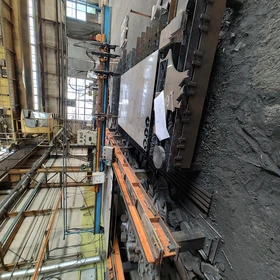 Featured
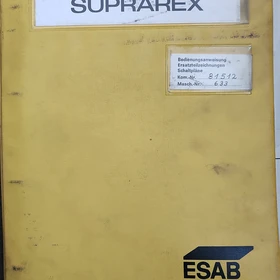
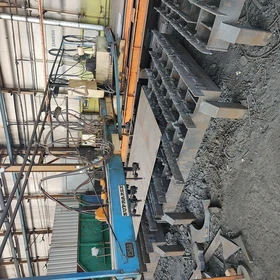
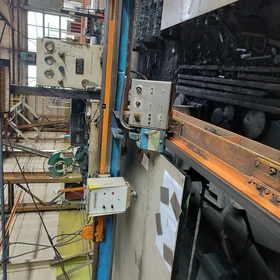
ESAB Suprarex Flame Cutting Machine 1969 – Masch.-Nr. 633 – Working Table 2×6 m – Poland
Added: 11.08.2026, 18:55
 Featured
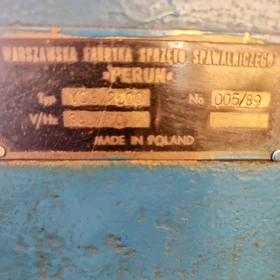
PERUN YC8/2500 Flame Cutting Machine 1989 – No 005/89 – Working Table 2×6 m – Poland
Added: 11.08.2026, 18:55
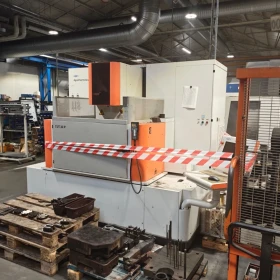
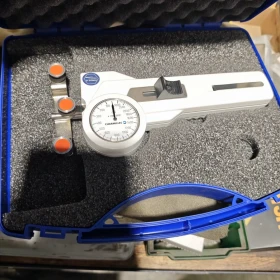
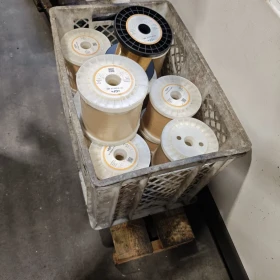
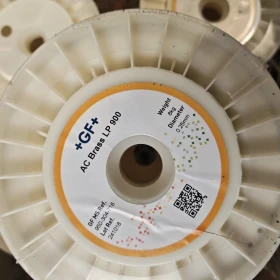
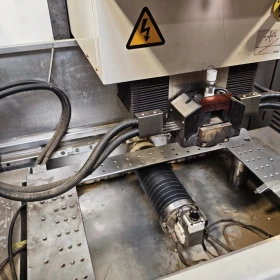
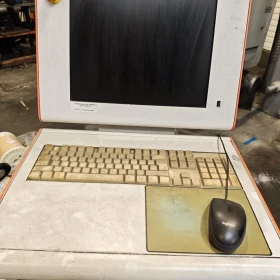
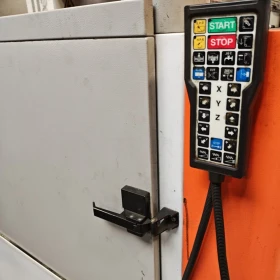
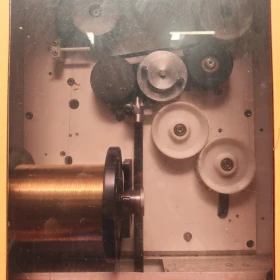
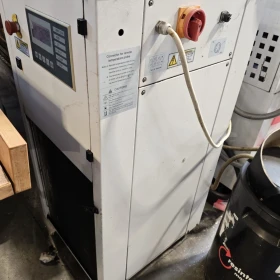
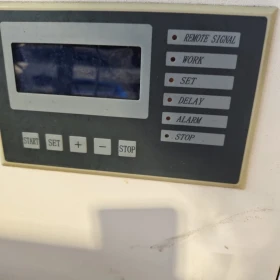
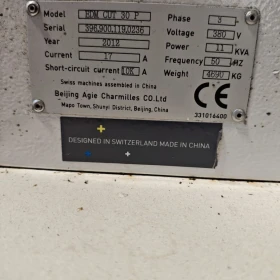
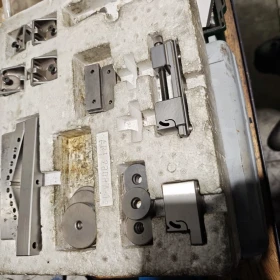
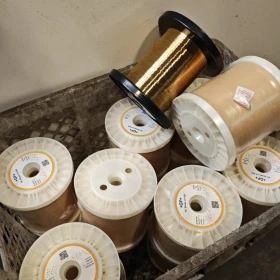
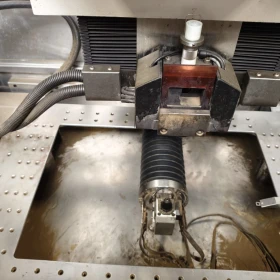
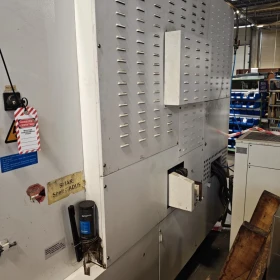
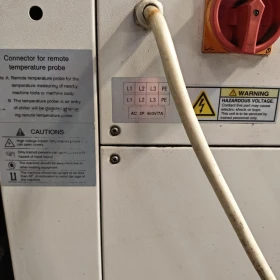
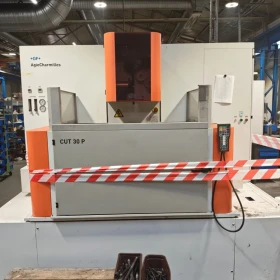
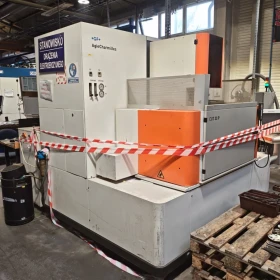
Agie Charmilles CUT 30 P Wire EDM Machine (2012) – Precision and stability Urgent
Added: 17.06.2026, 15:15
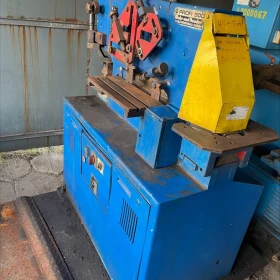
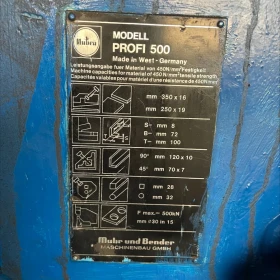
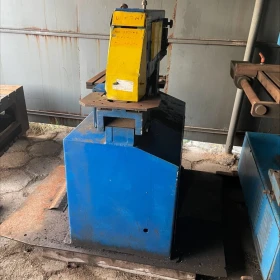
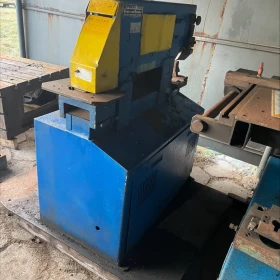
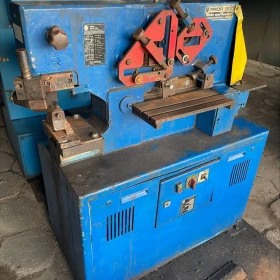
Mubea PROFI 500 – Hydraulic Ironworker / Universal Punching & Shearing Machine
Added: 24.01.2026, 21:46
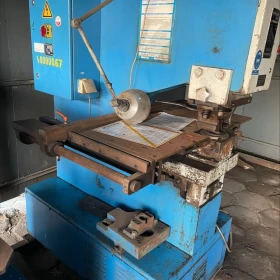
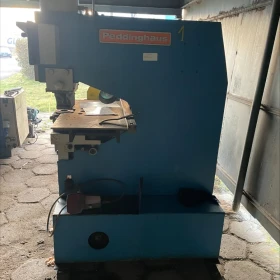
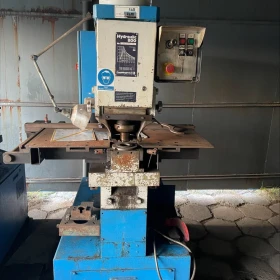
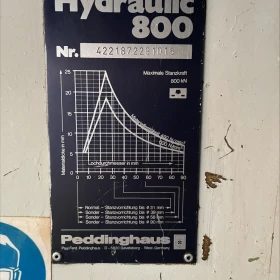
Peddinghaus Hydraulic 800 / Peddiworker 800 – Reliable Universal Ironworker 80t Urgent
Added: 24.01.2026, 21:16
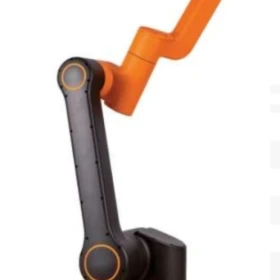
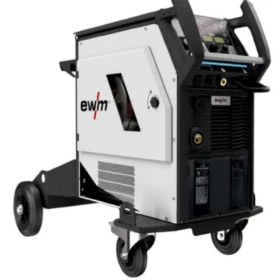
Robotic Welding Station with HCR-12A robot and EWM Titan XQ 350 puls DW EX welder Urgent
Added: 21.05.2025, 16:59


Trumpf TruLaser 5040 Laser Cutting Machine
Added: 04.03.2025, 15:52


FOR SALE Plasma Cutter Nessap 1600 KOMBI Urgent
Added: 19.03.2024, 07:39
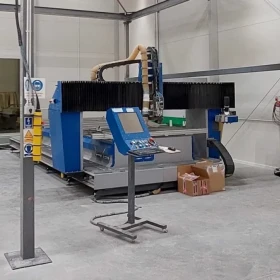
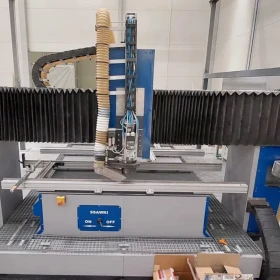
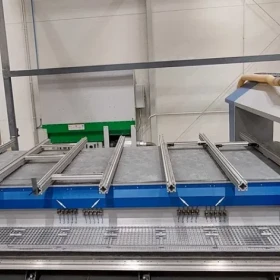
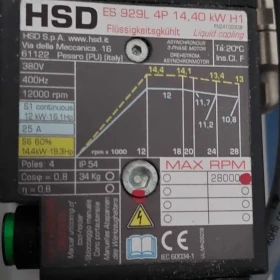
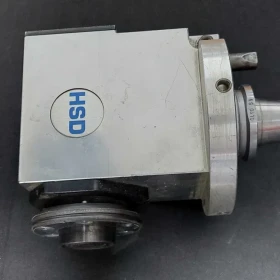
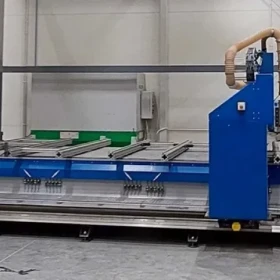
CNC milling plotter with dimensions of 4500x2500, ATC (Automatic Tool Changer) and 4 axes, with commissioning included!
Added: 11.05.2023, 18:30
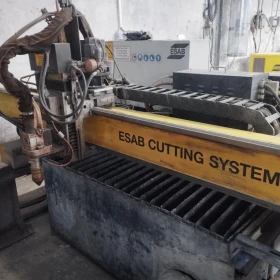
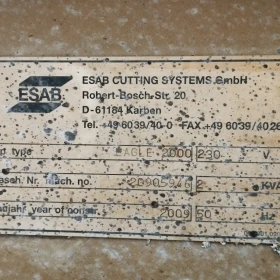
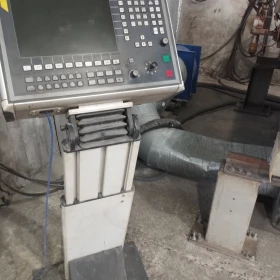
ESAB CNC plasma cutter 3x1.5m produced in 2009
Added: 11.05.2023, 16:24
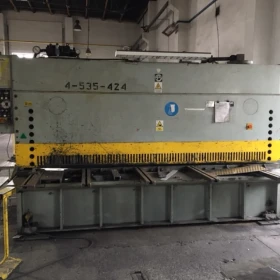

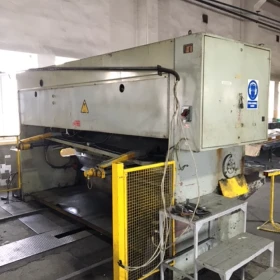
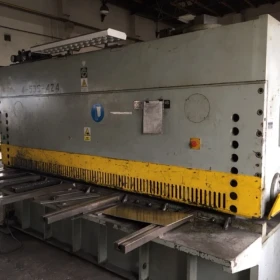
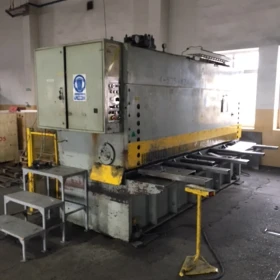
Guillotine shear CNTA 3150/16A
Added: 09.05.2023, 19:52
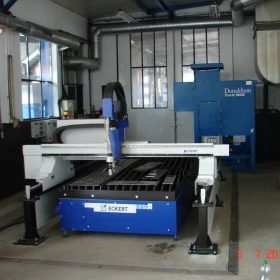
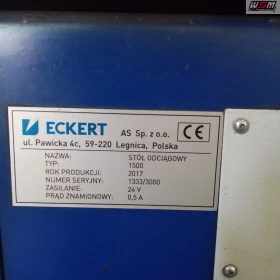

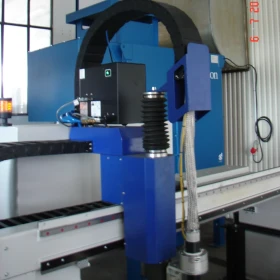
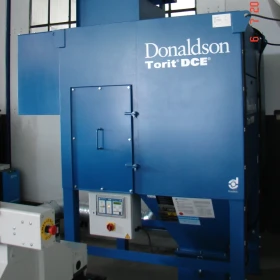

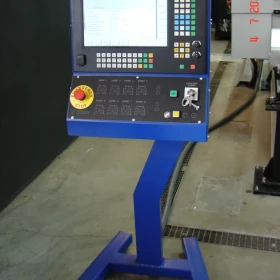
The ECKERT JANTAR plasma cutter
Added: 09.05.2023, 19:52
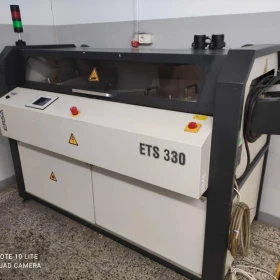
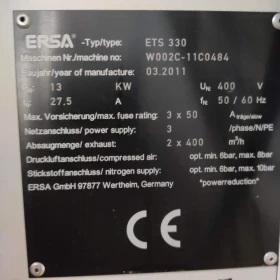
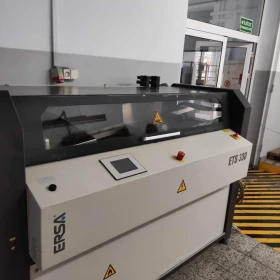
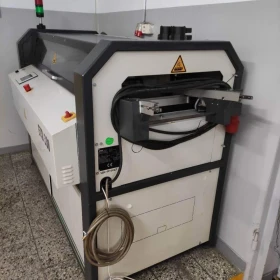
The ERSA ETS 330 wave soldering station
Added: 09.05.2023, 19:52
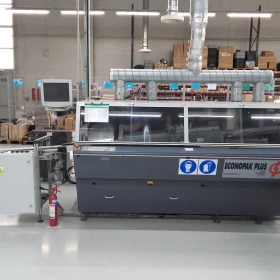
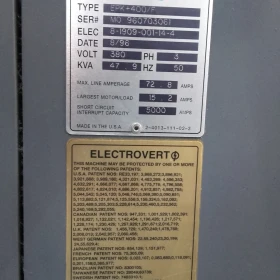
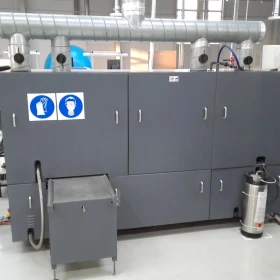
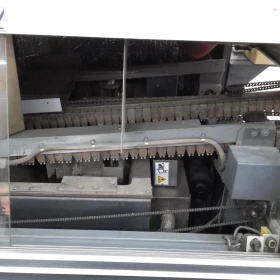
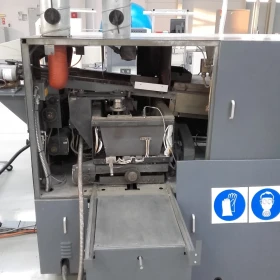
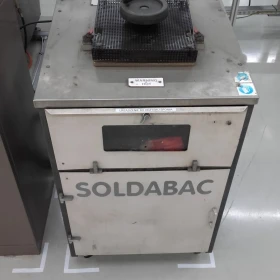
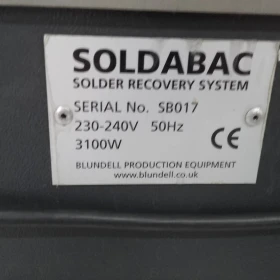
Electrovert EPK-400/F Type: clean wave soldering machine
Added: 09.05.2023, 19:50
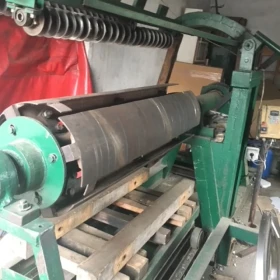
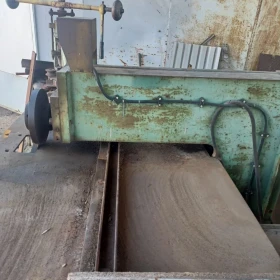
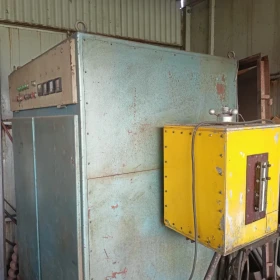
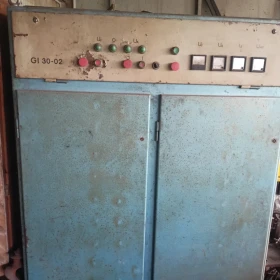
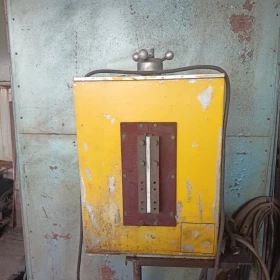
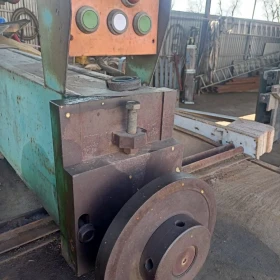
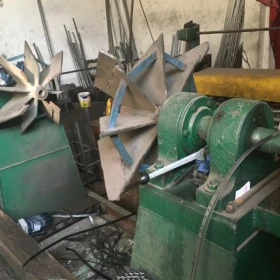
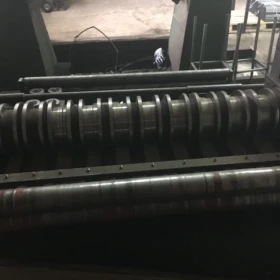
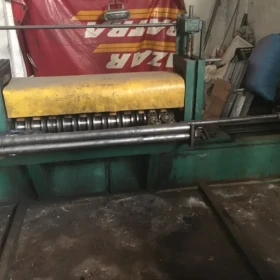
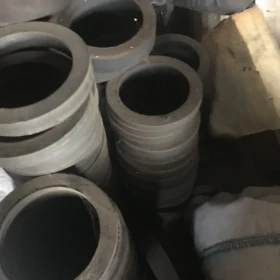
Longitudinal cutting line for sheet metal; Generator; Roller shears
Added: 25.04.2023, 09:43
Used welding machines & cutting equipment for metal fabrication
A welding machines & cutting equipment is a metalworking machine designed to weld and join ferrous and non-ferrous materials in industrial manufacturing environments. These machines serve both high-volume production lines and small-batch custom manufacturing. The European used machinery market for metal processing is well-established, with documented maintenance histories and available spare parts.
Types and applications of used welding machines & cutting equipment
Different welding machines & cutting equipment configurations serve different production requirements. Choosing the right type depends on your material, volume, and quality targets.
MIG/MAG welders
MIG/MAG welders use a continuously fed wire electrode with shielding gas. Fast, productive, and suitable for steel and aluminium.
TIG welders
TIG welders use a non-consumable tungsten electrode with separate filler wire. Produce high-quality, clean welds on thin materials.
Resistance welders
Resistance welders pass current through overlapping sheets to create spot, seam, or projection welds. Common in automotive body production.
Plasma cutters
Plasma cutters use ionised gas to cut conductive materials. Faster than oxy-fuel on thin and medium plate.
Laser welders
Laser welders concentrate energy in a fine beam for deep, narrow welds with minimal distortion. Ideal for precision assemblies.
Key technical parameters of used welding machines & cutting equipment
Evaluating a used welding machines & cutting equipment requires understanding specifications that determine compatibility with your production requirements.
Welding current range
Welding current range in amperes determines the thickness of material that can be joined. MIG welders typically offer 30–500 A.
Duty cycle
Duty cycle is the percentage of a 10-minute period the machine can weld at rated current without overheating. Industrial units offer 60–100% at maximum amperage.
Wire diameter
Wire diameter affects deposition rate and weld bead profile. Common sizes are 0.8–1.6 mm for steel and 1.0–1.2 mm for aluminium.
Welding processes (mig/tig/mag)
MIG/MAG uses continuous wire feed for fast production; TIG offers precise, clean welds on thin materials. Verify process compatibility with your applications.
Cooling system
cooling system is a critical specification that determines machine suitability for your application. Verify against your production requirements.
Torch type
torch type is a critical specification that determines machine suitability for your application. Verify against your production requirements.
Buying checklist for used welding machines & cutting equipment
Inspecting a second-hand welding machines & cutting equipment before purchase reduces the risk of hidden defects and costly downtime. Use the following checklist during evaluation.
- Inspect mechanical components for wear, cracks, and unauthorised repairs.
- Check bearings for radial and axial play, unusual noise, and overheating during test runs.
- Verify electrical cabinet condition, safety circuits, and emergency stop functionality.
- Confirm voltage, frequency, and phase compatibility with your facility supply.
- Review maintenance logs, service invoices, and previous operating environment.
- Test all control functions including start, stop, speed variation, and safety interlocks.
- Assess spare parts availability and lead times for the specific brand and model.
- Request a trial run with your typical material, speed, and load conditions.
Typical industries and use cases
Used welding machines & cutting equipment serve a wide range of industrial sectors. The following industries represent core demand on the European secondary machinery market.
- Metal fabrication: Cutting, bending, welding, and finishing of steel, aluminium, and stainless steel.
- Automotive parts: Stamping, machining, and assembly of vehicle components and subsystems.
- Aerospace components: Precision machining of aluminium, titanium, and composite parts.
- Tool and die making: Production of moulds, dies, jigs, and fixtures for manufacturing.
- General mechanical engineering: Machining, fabrication, and assembly of industrial machinery and equipment.
Buying used welding machines & cutting equipment instead of new machines delivers immediate cost reduction, shorter delivery times, and proven mechanical reliability. Industrial equipment from Germany, Italy, Czech Republic, Poland, EU is engineered for long service life, making the secondary market a rational sourcing channel.
Why buy used welding machines & cutting equipment via WeSellMachines.com
WeSellMachines.com is a B2B marketplace specialising in used industrial machinery across Germany, Italy, Czech Republic, Poland, EU. Our team inspects and documents every listing, verifies machine condition, and provides direct contact with sellers. We combine hands-on machinery expertise with transparent listings so buyers can source used welding machines & cutting equipment with confidence.
FAQ: used welding machines & cutting equipment
What is a welding machines & cutting equipment and what is it used for?
A welding machines & cutting equipment is industrial equipment used to weld and join in manufacturing environments. It serves production facilities, workshops, and processing plants across multiple sectors. Key selection criteria include capacity, precision, power requirements, and compatibility with your existing workflow.
How much can I save by buying a used welding machines & cutting equipment?
Savings on the secondary market typically range from 30% to 70% compared to new machines, depending on age, brand, condition, and included accessories. Premium brands retain value while still offering significant discounts.
Which brands of used welding machines & cutting equipment are most reliable?
Trumpf, Amada, Bystronic, DMG Mori, Mazak are widely regarded for durable construction and available spare parts. Machines from these manufacturers are common in the European used machinery market and supported by established service networks.
What should I check when inspecting a used welding machines & cutting equipment?
Check mechanical wear, bearing condition, electrical safety, control functionality, and dimensional accuracy. Run the machine under load if possible and request maintenance records, manuals, and wiring diagrams.
Is it safe to buy a used welding machines & cutting equipment without seeing it in person?
Risk can be minimised by requesting detailed photos, video of the machine running under load, maintenance records, and third-party inspection reports. WeSellMachines.com provides documented listings and direct seller communication.
Can a used welding machines & cutting equipment be integrated with modern production systems?
Many used machines support standard interfaces and file formats. Verify the control model, available communication protocols, and software compatibility before purchase. Retrofit options are often available.
What is the typical power supply requirement?
Industrial machines usually require three-phase 400 V / 50 Hz supply. Confirm that your facility can deliver the required amperage and has appropriate circuit protection and earthing.
 Log in with Facebook
 Log in with Google