Used Power Engineering & Electrical Equipment
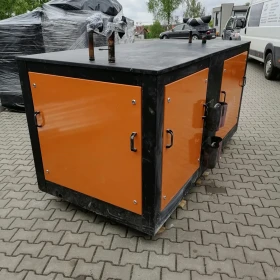
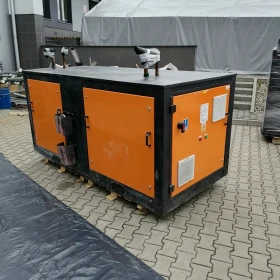
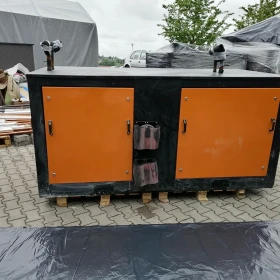
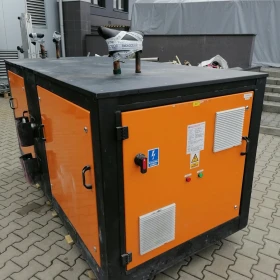
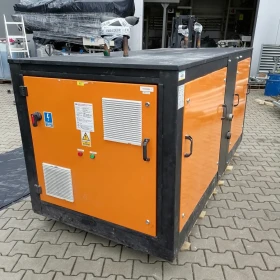
The HPA-AWL150 chiller unit with serial number 01062016 - NAUTILUS
Added: 09.05.2023, 19:52
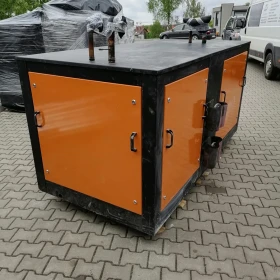
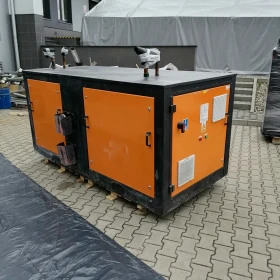
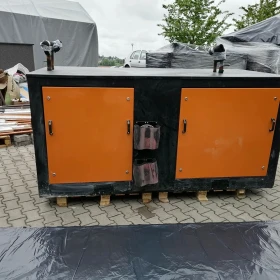
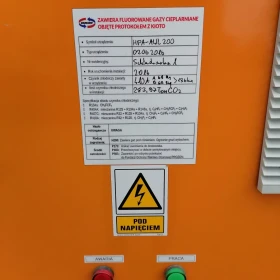
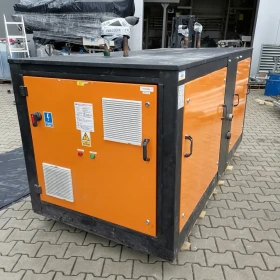
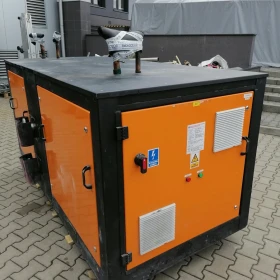
The HPA-AWL200 chiller unit with serial number 02062016 - NAUTILUS
Added: 09.05.2023, 19:52
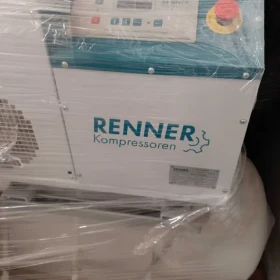
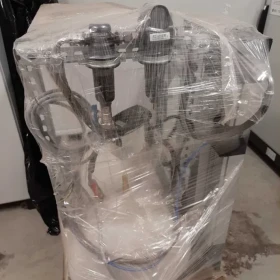
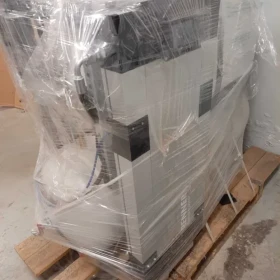
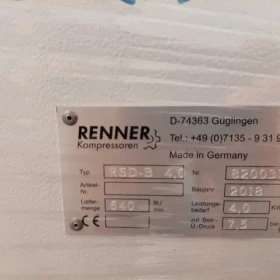
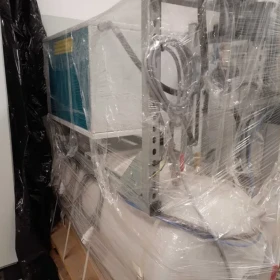
RENNER RSD-B Compressor 4 kW
Added: 09.05.2023, 19:51
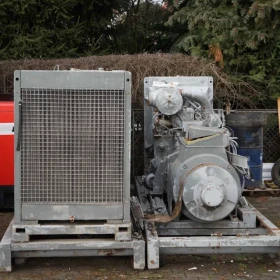
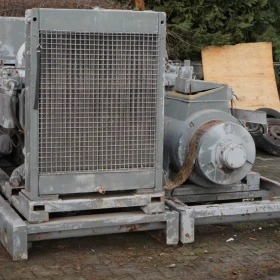

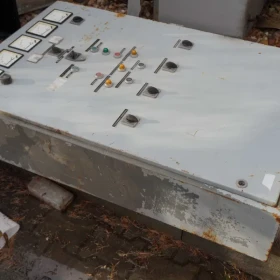
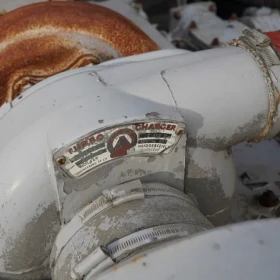
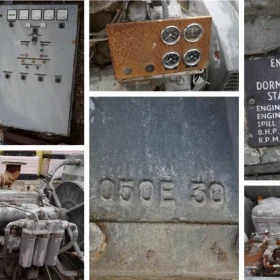
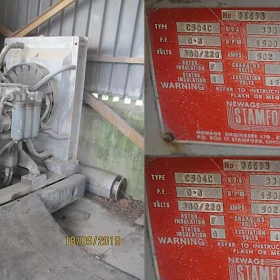
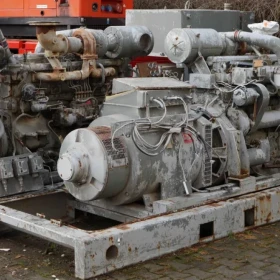
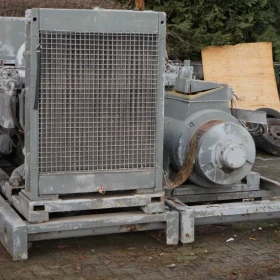
The 2x 330kVA DORMAN STAMFORD C504C generator set
Added: 09.05.2023, 19:50
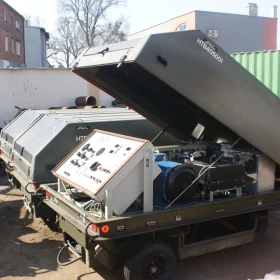
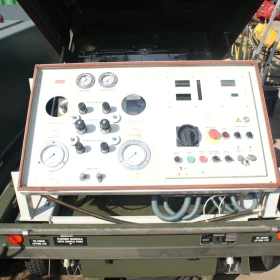
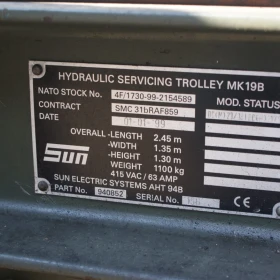
Hydraulic power unit/research station Sun AHT 94B - 3 pcs
Added: 21.04.2023, 09:39
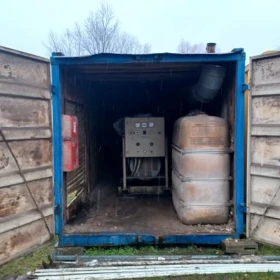
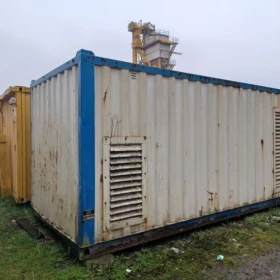
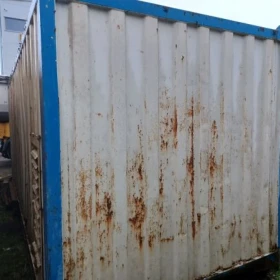
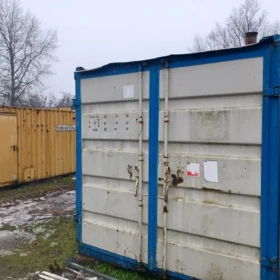
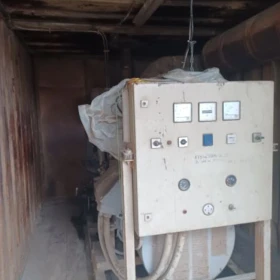
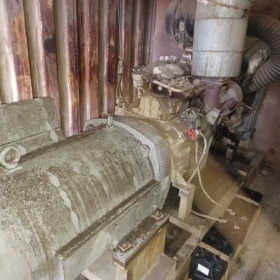
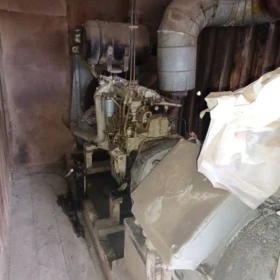
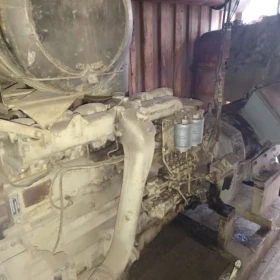
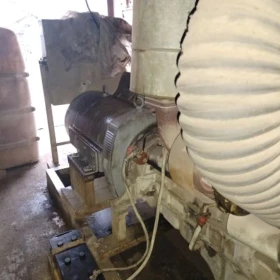
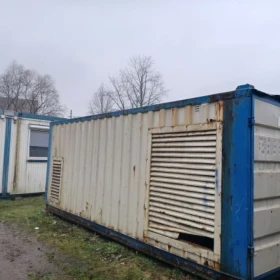
Containerized power generator Manufacturer: MAN Year of production: 1991
Added: 11.04.2023, 13:26
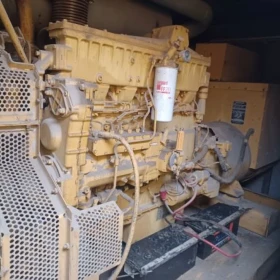


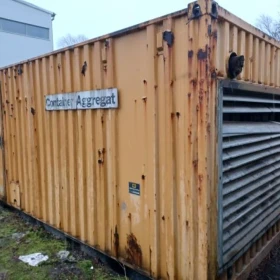
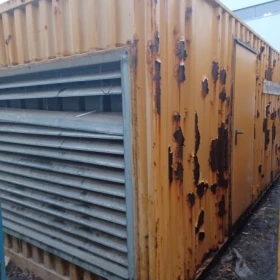
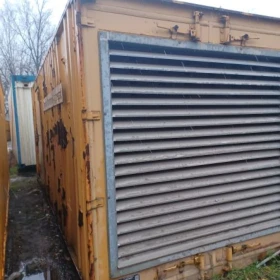
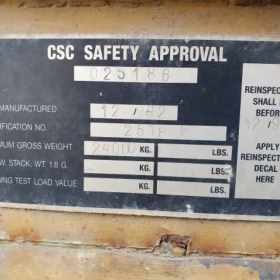
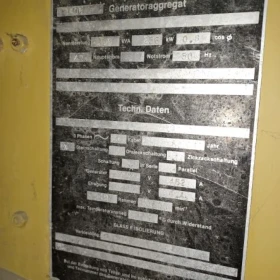
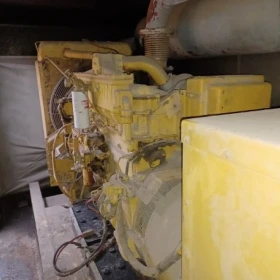
Caterpillar Model: 3406-D produced in 1992
Added: 11.04.2023, 11:45
Explore our listings for other and specialized power engineering equipment. This category includes a variety of components, accessories, and unique systems that do not fit into standard power generation or distribution categories. Find the specific parts you need for custom projects or system maintenance.
Key Purchasing Considerations for Other Power Equipment
- Technical Specifications: Carefully review all available technical documentation, datasheets, and diagrams to ensure the equipment meets your specific electrical and mechanical needs.
- Compatibility: Verify that the component is compatible with your existing infrastructure, control systems, and communication protocols.
- Condition and Age: Assess the overall condition and manufacturing date of the equipment to determine its remaining operational life and potential for obsolescence.
Frequently Asked Questions About Specialized Power Equipment
Where can I find documentation for older or specialized electrical components?
For older equipment, start by searching the manufacturer's website for archived product manuals. If that fails, online engineering forums and communities dedicated to specific brands can be a valuable resource for finding documentation or expert advice from other users.
What are the risks of buying non-standard power equipment?
The main risks include a lack of technical support, difficulty in sourcing spare parts, and potential incompatibility with modern systems. It is crucial to have a clear understanding of the equipment's history and ensure you have the in-house expertise or external support to install and maintain it.
Used power engineering equipment: generators, transformers and switchgear
Power engineering covers generation, distribution and backup: diesel and gas generator sets from tens to thousands of kVA, mobile light towers and load banks, oil and dry transformers, medium and low-voltage switchgear, busbar systems, capacitor banks for reactive compensation, UPS units with battery strings, automatic transfer switches and synchronizing panels. Used equipment comes from data centres renewing backup fleets, industrial plants decommissioning substations, rental companies rotating gensets and utilities selling reserve units — often with maintenance logs, oil analyses and load-bank test records that prove real condition.
Start from the load profile and the duty. A standby genset for a warehouse faces different demands than a prime-power unit for a quarry or a continuous CHP engine. Check rated power at the applicable ISO class, voltage and frequency configuration, the alternator insulation class and temperature rise, plus fuel type and consumption at 50, 75 and 100 percent load. For transformers, note rated power, vector group, impedance voltage, tap-changer type and the oil test record. Confirm the protection concept: breakers, relays, earthing and selectivity must match your network study.
Buying guide: testing used power equipment properly
Insist on a witnessed load-bank test for any generator above backup duty: run the set stepwise to full load for at least one hour, record voltages, frequencies, oil pressure, coolant temperature and exhaust behaviour, and verify the automatic start, synchronization and load transfer functions. Inspect the alternator windings for dust, moisture and varnish damage, check the control panel for stored alarms, and review the battery charger, starter batteries and jacket-water heater. For transformers, ask for the latest oil dissolved-gas analysis and insulation resistance readings; wet or gassing oil signals internal trouble.
Switchgear, UPS and batteries
On switchgear, verify breaker types, trip-unit settings, arc-flash containment features and the availability of spare breaker cassettes and protection relays. Test every feeder: racking mechanisms must move smoothly and interlocks must function. On UPS systems, the batteries decide the economics — ask for battery age, impedance test records and the replacement history, then price a full string replacement in your calculation. Confirm the UPS topology, bypass operation and the monitoring software licences included.
Transport, placement and commissioning
Power equipment is heavy, oil-filled and regulated: plan crane access, oil containment, ventilation and exhaust routing before delivery. Transformers need certified oil handling and level foundations; gensets need fuel storage, exhaust and noise permits. Commission with a qualified electrician who performs insulation tests, protection relay checks, phasing verification and a full-load trial with written records — grid operators and insurers accept documented commissioning, not verbal assurance.
Frequently asked questions
How do I verify a used genset remotely?
Request a load-bank video with the control panel readings visible, the alarm list, service invoices, oil and coolant analysis, and photos of the alternator windings and nameplates. Confirm operating hours from service records rather than the display alone.
What matters on a second-hand transformer?
Oil analysis history, insulation readings, tap-changer condition, bushing and radiator state, and the completeness of protection and monitoring devices. Ask for the factory test report if available and the transport and storage history.
Are parts available for older switchgear?
Breaker spares, trip units and relays for widespread series remain available rebuilt or compatible. Verify the exact series and vintage: odd or withdrawn ranges complicate supply. For UPS, confirm battery cabinet compatibility and charger firmware support.
What documents should power equipment include?
Manuals, single-line and wiring diagrams, protection settings records, test and commissioning reports, oil analyses, battery test logs and the declaration of conformity. For equipment connected to public grids, the grid-connection paperwork and inspection certificates matter for approval.
Popular brands in this category
FAQ
What is the difference between a CNC lathe and a conventional lathe?
A CNC (Computer Numerical Control) lathe is automated and controlled by computer programs, allowing for precise, repeatable operations with minimal human intervention. Conventional lathes require manual operation and rely on the skill of the machinist. CNC lathes are ideal for high-volume production, complex geometries, and tight tolerances, while conventional lathes are often preferred for one-off jobs, repairs, or when programming time would exceed machining time.
What should I check when buying used industrial machinery?
Key inspection points: 1) Operating hours and maintenance records, 2) Physical condition - wear, rust, damage, 3) Electrical systems and controls, 4) Hydraulic systems - check for leaks, 5) Safety features and CE compliance, 6) Test run under load, 7) Spare parts availability, 8) Original documentation.
How do I check operating hours on a used CNC machine?
Operating hours on CNC machines can typically be found in the machine's control panel under maintenance or diagnostic menus. Look for "spindle hours," "power-on hours," or "cutting hours." For Fanuc controls, check the PMC diagnostic screen. For Siemens 840D, look in the service menu. Always verify hours match service records and physical wear patterns. Low hours don't always mean good condition - maintenance history is equally important.
What is the typical depreciation rate for industrial machinery?
Industrial machinery typically depreciates 15-20% in the first year, then 8-12% annually. After 5 years expect 50-60% depreciation. After 10 years, machines retain 25-40% of original value. Premium brands hold value better.
What control systems are most common in industrial lathes?
The most common CNC control systems are: Fanuc (most popular globally, known for reliability), Siemens (particularly 840D for complex applications), Mazatrol (Mazak proprietary, conversational programming), Heidenhain (popular in Europe, excellent for milling), Mitsubishi, and Haas (user-friendly, cost-effective). When buying used, consider parts availability and local service support for your chosen control system.
What is the difference between CNC and conventional machines?
CNC machines are computer-controlled offering precise, repeatable operations. Conventional machines require manual operation. CNC advantages: higher precision, faster production, complex geometries. Conventional advantages: lower cost, simpler maintenance, better for one-off jobs.
What should I inspect when buying a used CNC machine?
Key inspection points include: 1) Spindle condition - check for noise, vibration, and runout, 2) Way/guideway wear - look for scoring and check backlash, 3) Ballscrew condition - test for play and noise, 4) Control system functionality - run test programs, 5) Hydraulic/coolant systems - check for leaks, 6) Electrical components - inspect for burnt connections, 7) Operating hours and maintenance records, 8) Geometric accuracy with test cuts or laser measurement.
What payment methods are safe for international machinery purchases?
Safe methods: 1) Letter of Credit - bank guarantees both parties, 2) Escrow services - funds released after inspection, 3) Partial payment with inspection clause - 30% deposit, 70% after inspection. Avoid full wire transfers before inspection.
How do I check operating hours on used machinery?
Location varies by control: Fanuc - PMC diagnostic screen, Siemens 840D - Diagnostics menu, Mazak - Maintenance screen. For construction equipment check dashboard hour meter. Always verify with service records.
 Log in with Facebook
 Log in with Google