Used Industrial Automation Technology
 Featured
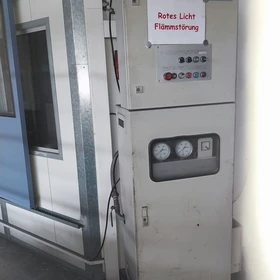
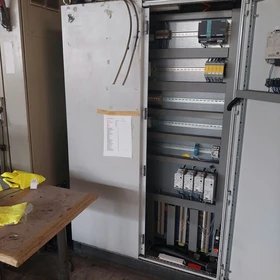
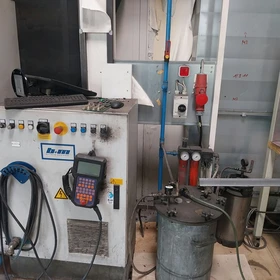
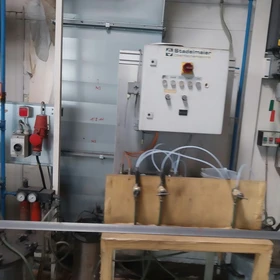
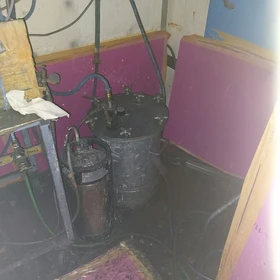
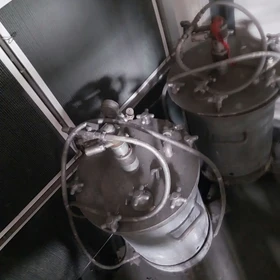
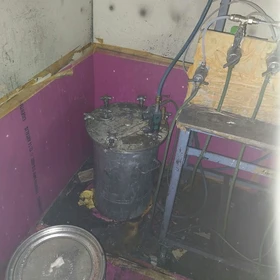
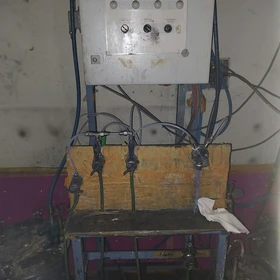
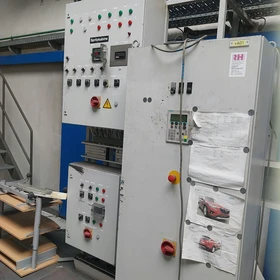
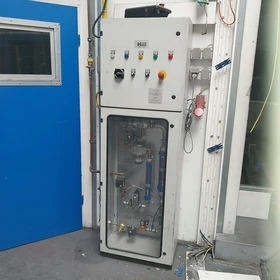
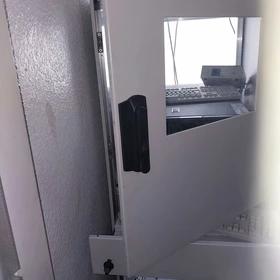
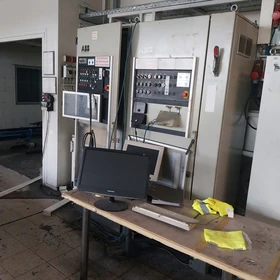
Used Paint Shop Control Cabinet Package – ABB Trallfa, b+m surface systems, Siemens SIMATIC, Hill, Stadelmaier – Germany
Added: 23.09.2026, 18:01
 Featured
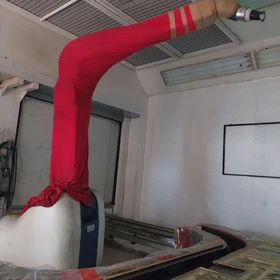
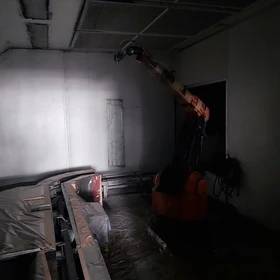
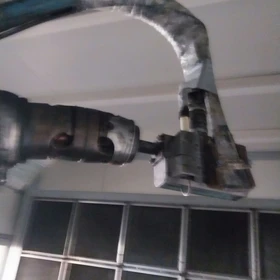
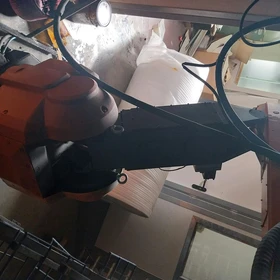
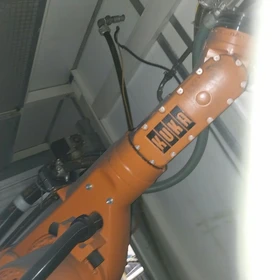
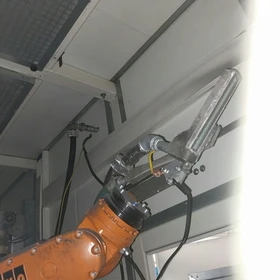
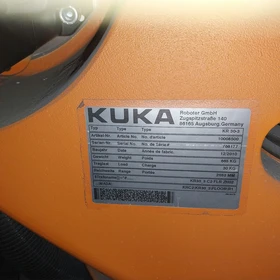
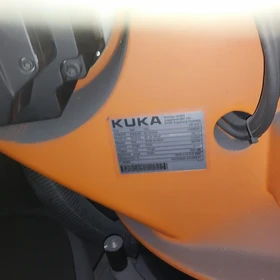
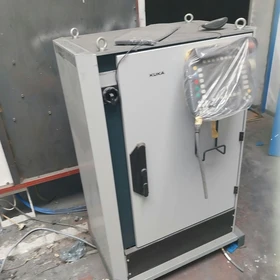
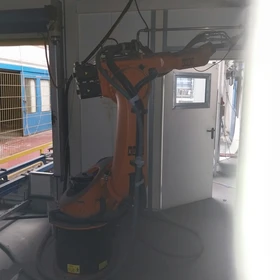
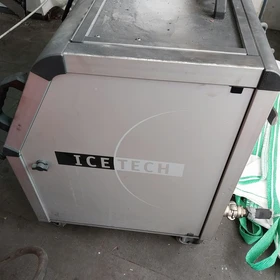
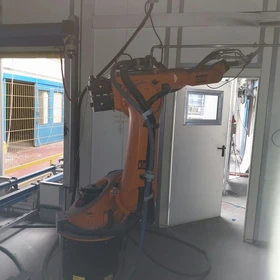
Used KUKA KR 30-3 Industrial Robot with KRC2 Controller 2010 – Serial No. 766177 – Germany
Added: 23.09.2026, 18:00
 Featured
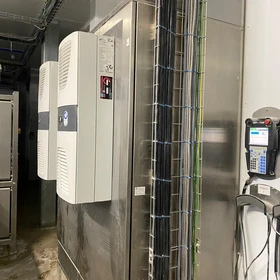
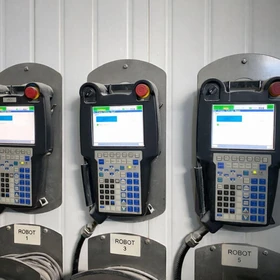
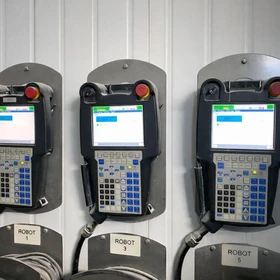
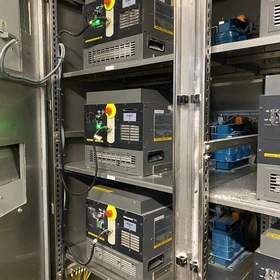
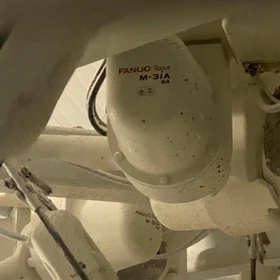
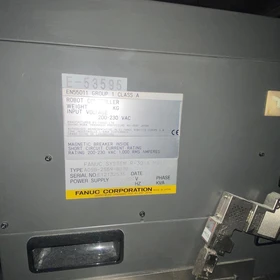
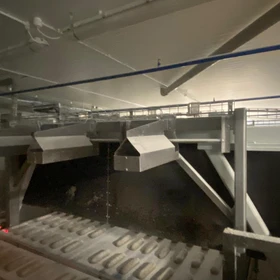
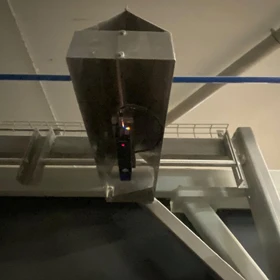
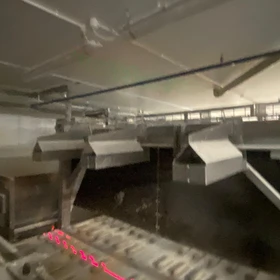
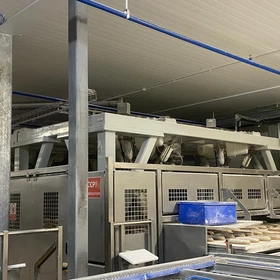
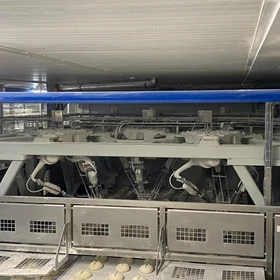
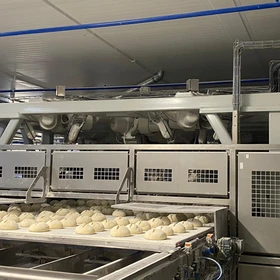
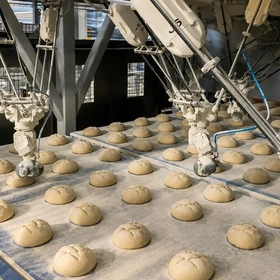
Complete FANUC Bakery Robot Cell M-3iA/6A ×6 – 6 Delta Pick & Place Robots – London, United Kingdom
Added: 18.09.2026, 18:12
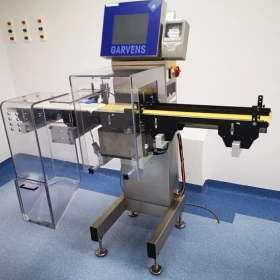
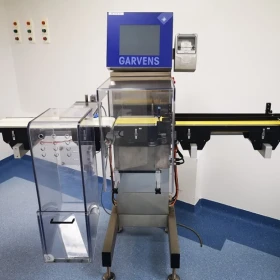
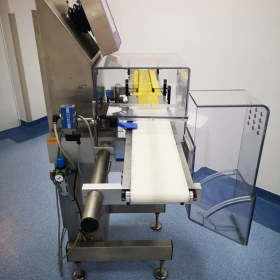

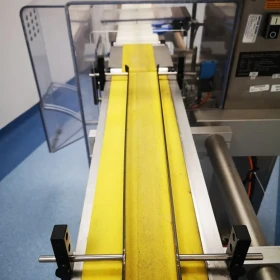
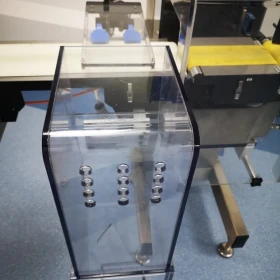
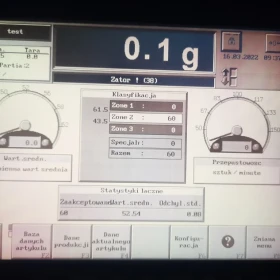
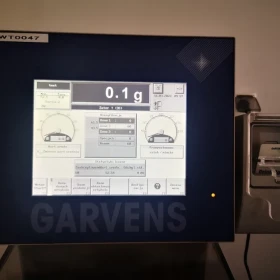

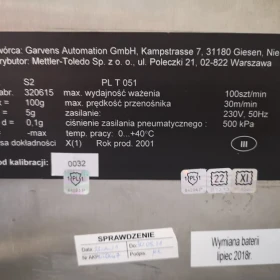
Industrial scale Garvens Metler Tolledo type S2 produced in 2001
Added: 09.05.2023, 19:50
Discover a comprehensive marketplace for second-hand industrial automation technology. This category features everything from advanced industrial robots and reliable PLC controllers to HMI panels and complete control systems, essential for modernizing and optimizing production lines. Find components from leading brands like Siemens, Allen-Bradley, and Fanuc.
Key Purchasing Considerations for Used Automation Equipment
- Compatibility: Ensure the component (e.g., a PLC or drive) is compatible with your existing systems, network protocols (e.g., Profinet, EtherNet/IP), and programming software.
- Operating Hours: For robots and mechanical parts, check the total operating hours to estimate remaining service life and potential maintenance needs.
- Firmware and Software Version: Verify the firmware version of PLCs and drives, as this can affect compatibility and feature availability. Ensure any required software licenses are included or available.
Frequently Asked Questions About Industrial Automation
What is a PLC (Programmable Logic Controller)?
A PLC is a ruggedized industrial computer used to automate manufacturing processes. It reads inputs from sensors and switches, executes a user-written program, and controls outputs like motors, valves, and lights. PLCs are the "brains" behind most modern automated machinery.
What is the difference between a PLC and a PC?
While both are computers, PLCs are specifically designed for the harsh industrial environment, with robust hardware and a real-time operating system for reliable, deterministic control. PCs are designed for general-purpose computing and are not typically used for direct machine control in critical applications.
Used automation equipment: robots, conveyors, PLC systems and handling
Automation covers the movement and control of production: articulated and SCARA robots, gantries and linear axes, belt and roller conveyors, palletizers and depalletizers, sorting and buffering systems, feeders and vibratory bowls, PLC cabinets with drives and HMIs, safety fencing with light curtains and scanners, vision inspection stations and labelling or marking units. Used systems come from plants that retool for new products, logistics sites that upgrade throughput, and integrators selling demonstration or overstock cells — often with grippers, programs and documentation that cut integration time dramatically.
Start from the cycle, the payload and the interface. A robot cell that palletized 10 kg cartons cannot be judged by reach alone: check payload at the actual centre of gravity, repeatability, the controller generation and whether the teach pendant, licences and source programs transfer. For conveyors, measure belt width, load per metre, drive power and the height adjustment range. For PLC cabinets, list every module, drive and network node: a cabinet is only reusable if its components are still supported and its program is available with comments.
Buying guide: what makes used automation reusable
Software and support decide more than steel. Confirm the robot programs, PLC sources, HMI projects and drive parameters are included and readable — password-locked controllers without credentials are a project risk. Check robot joint backlash, gearbox noise and brake function; run each axis through its full range and review the alarm and collision history. On conveyors, inspect belts, rollers, bearings, photoeyes and the condition of the frames after years of washdown or dust. Safety equipment must be complete and functional: scanners, curtains, interlocked gates and the safety PLC program with its validation report.
Integration, interfaces and floor space
Map the interfaces before purchase: electrical supply, compressed air consumption, network protocols to your MES or ERP, and the mechanical connection to upstream and downstream machines. Measure the cell footprint including fence clearances, maintenance doors and pallet positions — a cell that fit the seller may not fit your hall. Ask for the original layout drawings, risk assessment and operating manual: they are required for compliant recommissioning and they save engineering hours.
Recommissioning and ramp-up
Budget for a controls engineer who knows the installed brands to recommission the system, restore backups, re-tune servo axes and revalidate safety functions with documented tests. Plan new cabling and cable chains where the old routing does not fit, fresh safety signage, and a trial production period with your products and operators trained on the actual cell. Keep the previous integrator relationship if possible: the fastest support comes from whoever built or serviced the system.
Frequently asked questions
How do I verify a used robot without a test cell?
Ask for video of programmed motions at working speed and payload, the alarm and collision log, backlash measurements and the service history of gearboxes and batteries. Confirm the controller boots cleanly, all axes calibrate, and the programs and parameters are provided with licences.
What matters on second-hand conveyor lines?
Belt and chain condition, drive and gearbox noise, sensor and photoeye function, the state of supports after years of load, and whether spare belts, rollers and motors are included. Test emergency stops on every section and check the documentation of the control program.
Can I reuse a PLC cabinet from another plant?
Yes, if every module and drive is still supported, the source programs with comments are included, and the cabinet wiring matches the diagrams. Price new safety validation, network reconfiguration and any obsolete modules before committing.
What paperwork should an automation cell include?
Layout and electrical drawings, risk assessment, operating and maintenance manuals, program backups with licences, the safety validation report and the declaration of conformity. For machines placed on the EU market after 1995, the safety system documentation affects insurance and inspection.
Popular brands in this category
FAQ
How do I find the right spare part using a Siemens part number?
Siemens part numbers follow a specific format: 6ES7 XXX-XXXX-XAXX for S7-300/400 PLCs. The first digits indicate the product family, subsequent digits specify the exact module. To find parts: 1) Use the exact order number from the module label, 2) Check Siemens Industry Mall for cross-references, 3) Look for -0AB0 vs -0AA0 suffix differences (revision levels), 4) On WeSellMachines, search by the full 6ES7 number. Always verify voltage and firmware compatibility.
What should I check when buying used industrial machinery?
Key inspection points: 1) Operating hours and maintenance records, 2) Physical condition - wear, rust, damage, 3) Electrical systems and controls, 4) Hydraulic systems - check for leaks, 5) Safety features and CE compliance, 6) Test run under load, 7) Spare parts availability, 8) Original documentation.
What should I check when buying a used industrial robot?
Key inspection points for used robots: 1) Controller condition and software version, 2) Robot hours - spindle hours and power-on hours, 3) Joint play - manually check each axis, 4) Cable dress pack condition, 5) Absolute encoder batteries and calibration, 6) Teach pendant functionality, 7) Safety circuits and emergency stop, 8) Original documentation and backup programs. Request a full cycle test to verify accuracy and repeatability. Popular brands: Fanuc, KUKA, ABB, Yaskawa.
What is the typical depreciation rate for industrial machinery?
Industrial machinery typically depreciates 15-20% in the first year, then 8-12% annually. After 5 years expect 50-60% depreciation. After 10 years, machines retain 25-40% of original value. Premium brands hold value better.
Are used PLC modules reliable for production use?
Yes, used PLC modules can be highly reliable if properly tested. Industrial PLCs like Siemens S7 and Allen-Bradley are designed for 10-20+ years of operation. Key considerations: 1) Purchase from reputable sellers with testing capabilities, 2) Verify firmware compatibility with your existing system, 3) Check for end-of-life status - older modules may lack support, 4) Request functional testing certification, 5) Have backup modules for critical systems. Used PLCs typically cost 40-70% less than new.
What is the difference between CNC and conventional machines?
CNC machines are computer-controlled offering precise, repeatable operations. Conventional machines require manual operation. CNC advantages: higher precision, faster production, complex geometries. Conventional advantages: lower cost, simpler maintenance, better for one-off jobs.
What payment methods are safe for international machinery purchases?
Safe methods: 1) Letter of Credit - bank guarantees both parties, 2) Escrow services - funds released after inspection, 3) Partial payment with inspection clause - 30% deposit, 70% after inspection. Avoid full wire transfers before inspection.
How do I check operating hours on used machinery?
Location varies by control: Fanuc - PMC diagnostic screen, Siemens 840D - Diagnostics menu, Mazak - Maintenance screen. For construction equipment check dashboard hour meter. Always verify with service records.
 Log in with Facebook
 Log in with Google