Used construction machinery: excavators, loaders, dozers and graders
 Featured
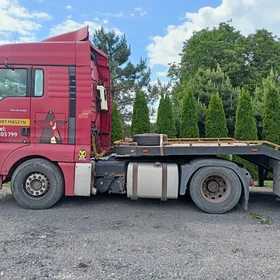
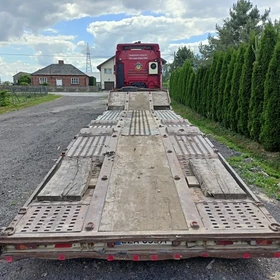
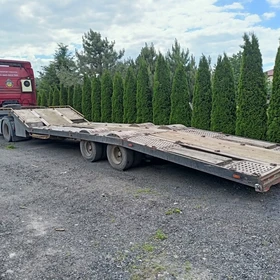
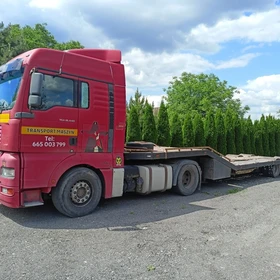
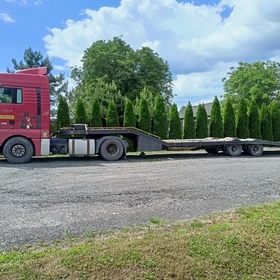
Used MAN 18.440 4X2 BLS Tractor Unit 2008 + SMULDERS Machinery Semi-Trailer 1992 – Zamość
Added: 17.09.2026, 12:53
 Featured
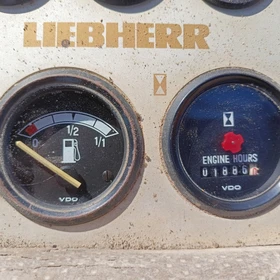
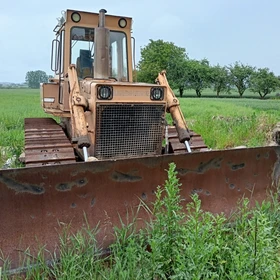
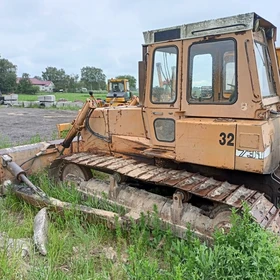
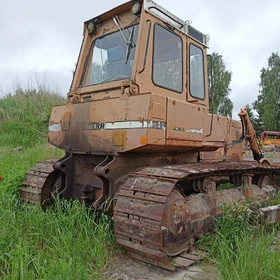
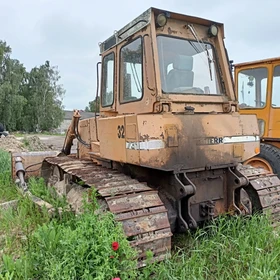
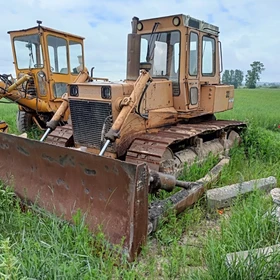
Used Liebherr PR 731 C-M Crawler Dozer 1987 – Serial No. 205/1087 – Poland
Added: 17.09.2026, 12:52
 Featured
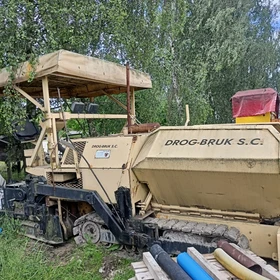
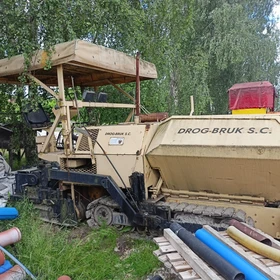
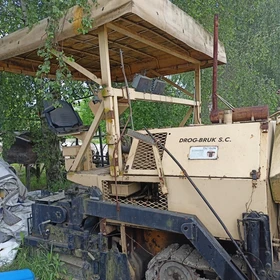
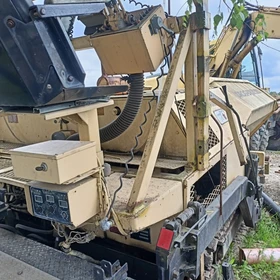
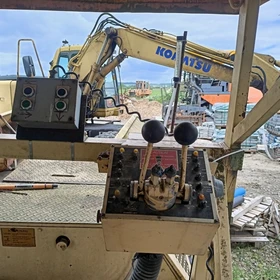
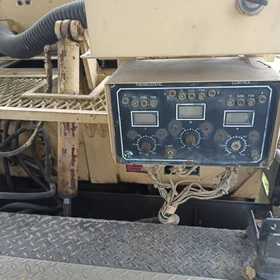
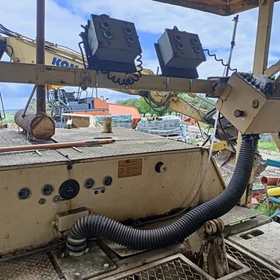
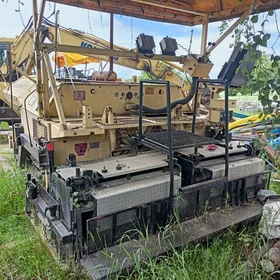
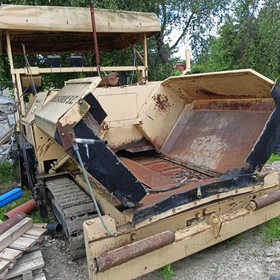
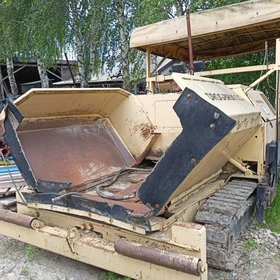
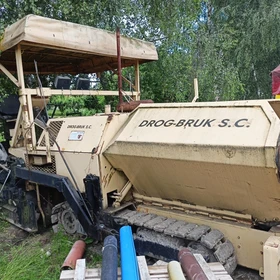
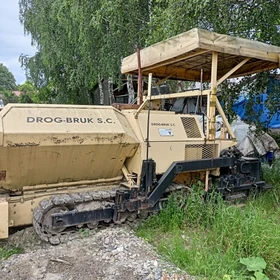
Used Fortress Allat Asphalt Paver 1988 – Zamość
Added: 17.09.2026, 12:51
 Featured
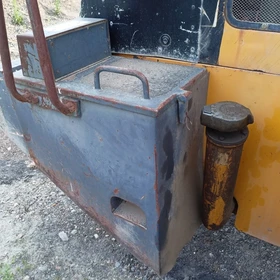
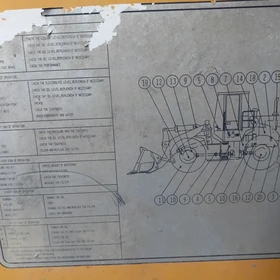
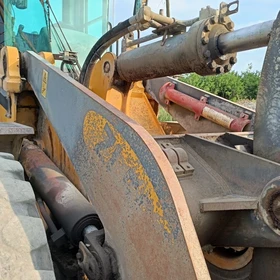
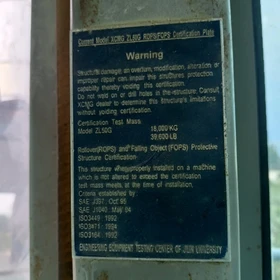
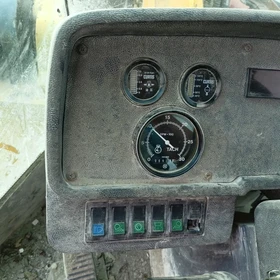
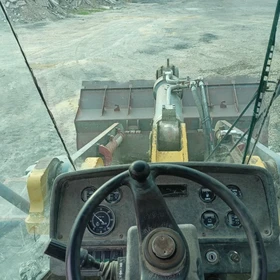
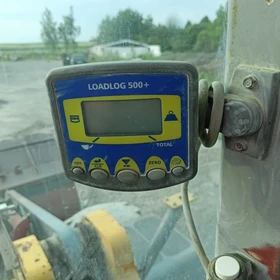
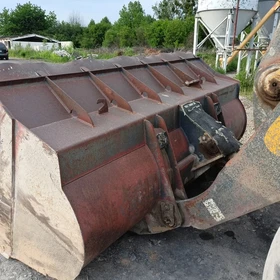
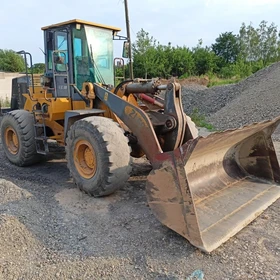
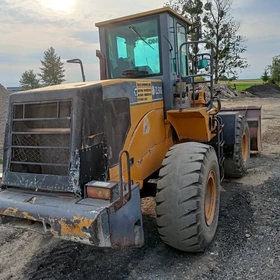
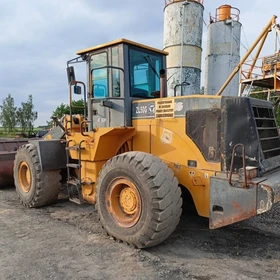
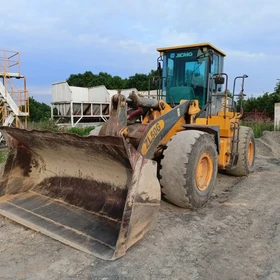
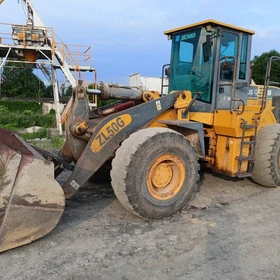
Used XCMG ZL50G Wheel Loader 2006 – Poland
Added: 17.09.2026, 12:51
 Featured
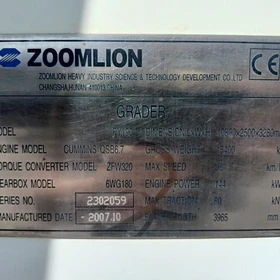
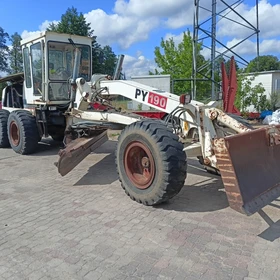
Zoomlion PY190 Motor Grader 2007 – Serial No. 2302059 – Poland
Added: 17.09.2026, 12:50
 Featured
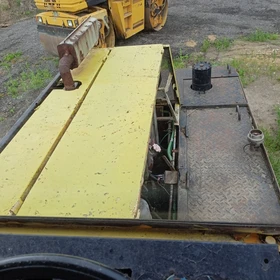
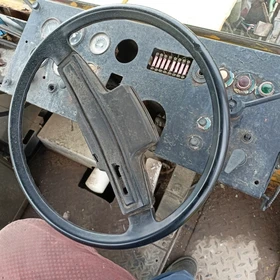
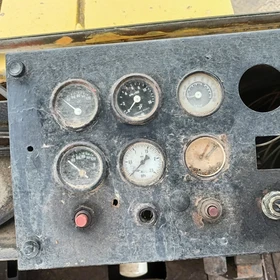
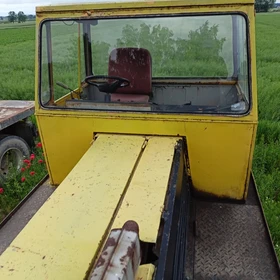
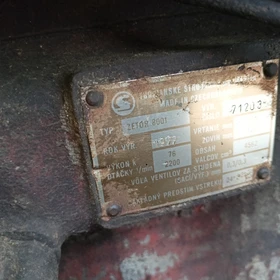
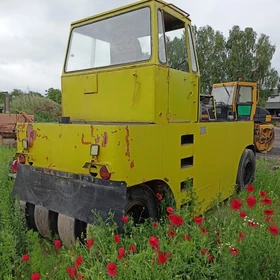
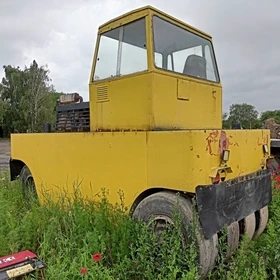
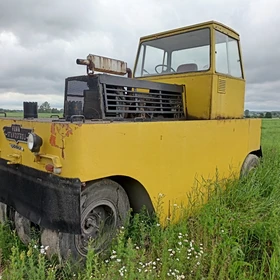
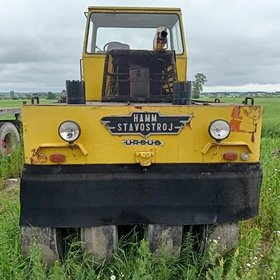
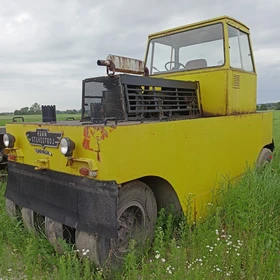
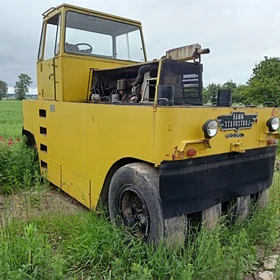
Used Stavostroj GRW 101 Pneumatic Road Roller 1977 – Serial No. 71203 – Zamość
Added: 17.09.2026, 12:50
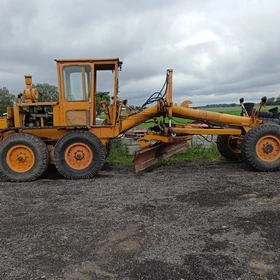 Featured
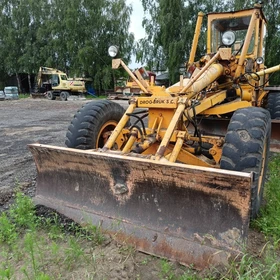
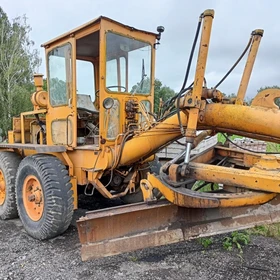
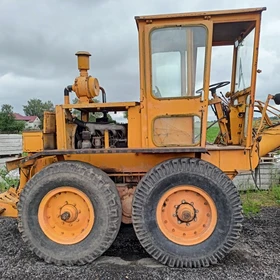
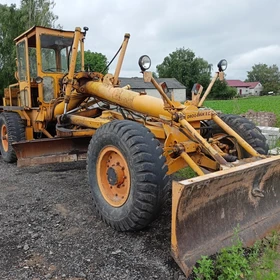
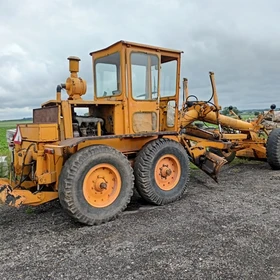
Used Baukema SHM4 Motor Grader 1987 – Serial No. 10879A – Poland
Added: 17.09.2026, 12:50
 Featured
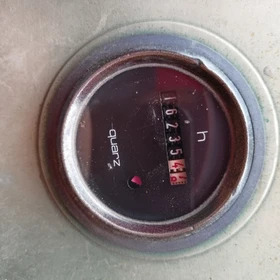
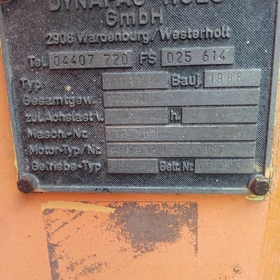
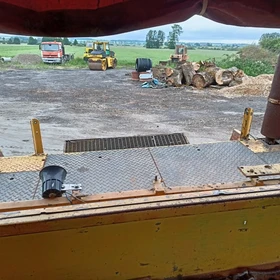
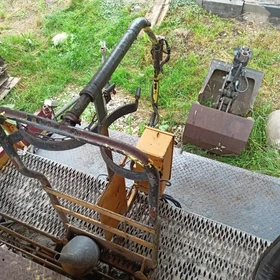
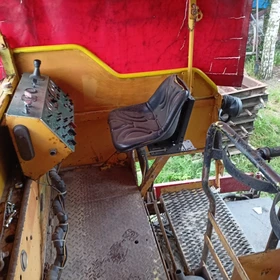
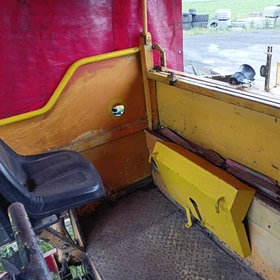
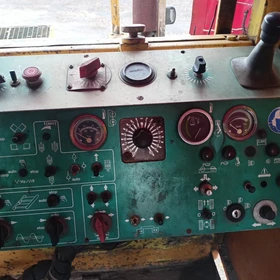
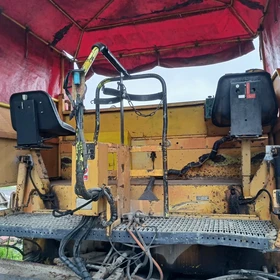
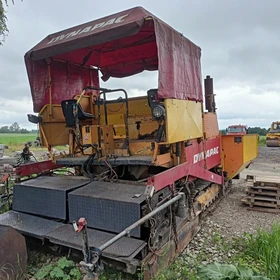
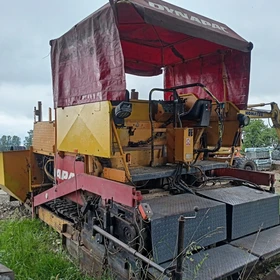
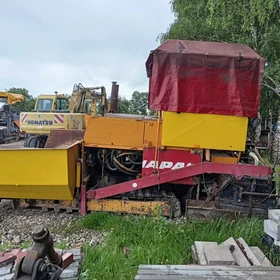
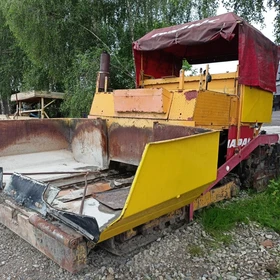
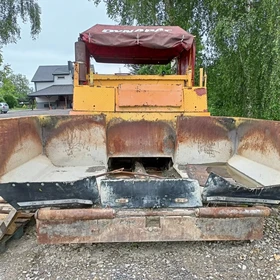
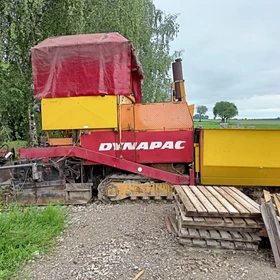
Used Dynapac 11011 K Asphalt Paver 1986 – Serial No. 865201 – Zamość
Added: 17.09.2026, 12:49
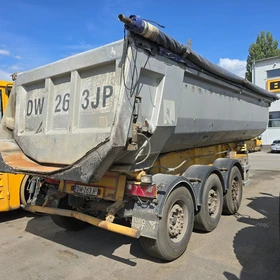
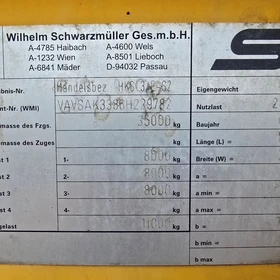
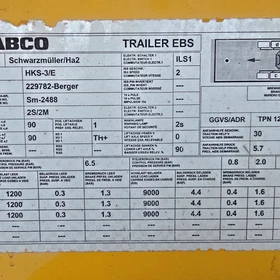
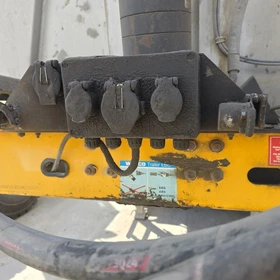
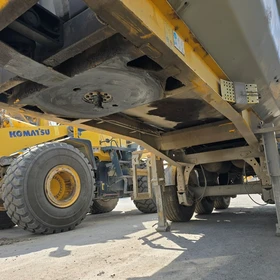
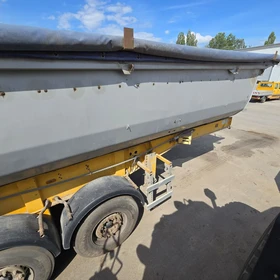
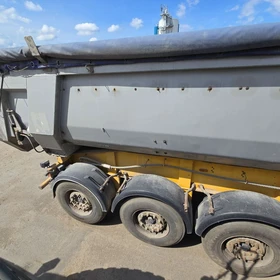
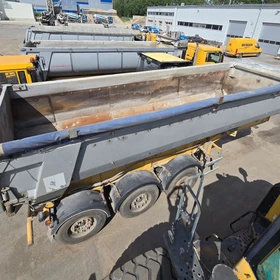
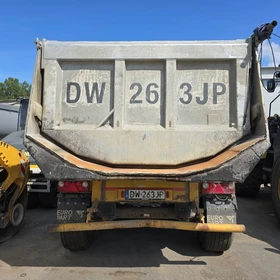
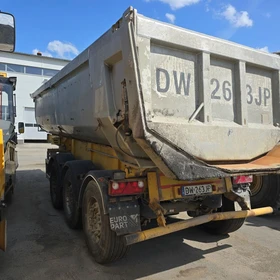
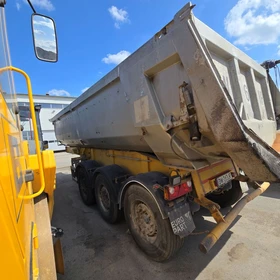
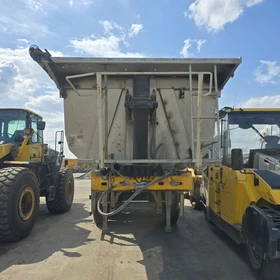
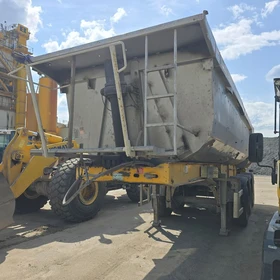
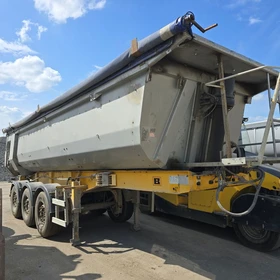
Schwarzmüller HKS 3/E-S2 Tipper Semi-Trailer 2006 – VIN VAVSAK3386H229782 – Poland
Added: 22.09.2026, 17:21

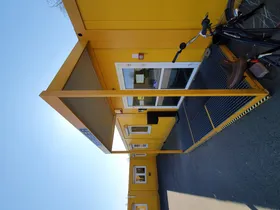
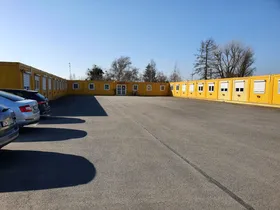
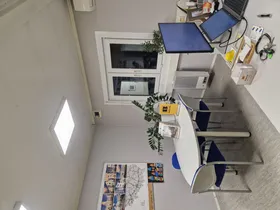

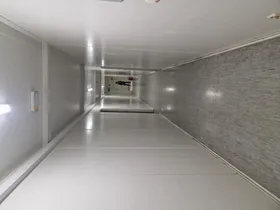

Used Container System Metalplast 2002 - Wrocław
Added: 10.06.2026, 13:16
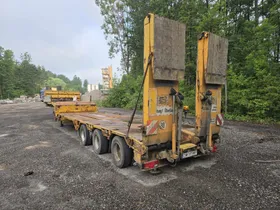
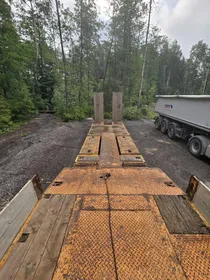
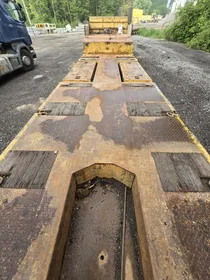
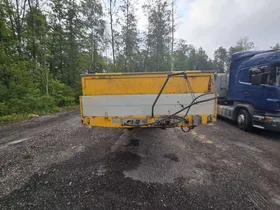
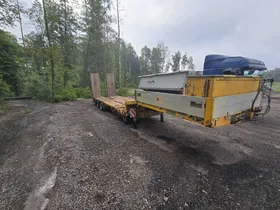
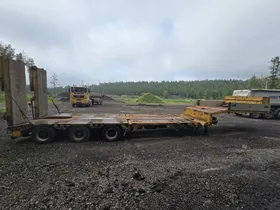
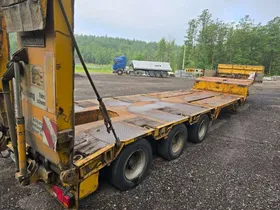
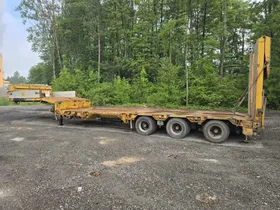
Used GOLDHOFER Low Loader 2006 - Chrzanów
Added: 10.06.2026, 13:16
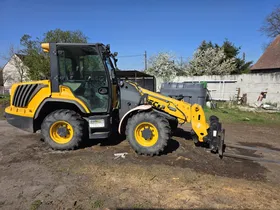
Used Dieci Telescopic Loader 2017 - Wrocław
Added: 10.06.2026, 13:16
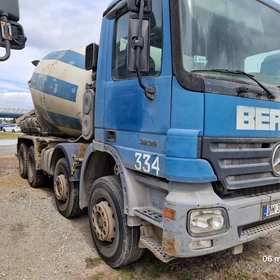
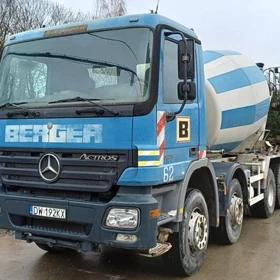
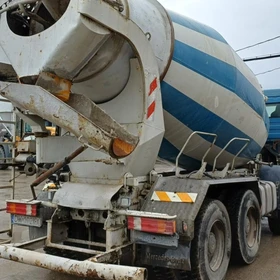
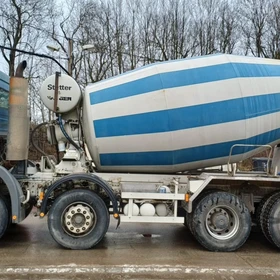
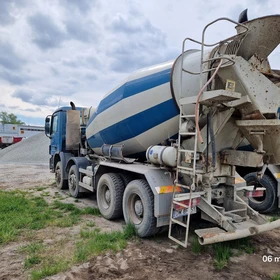
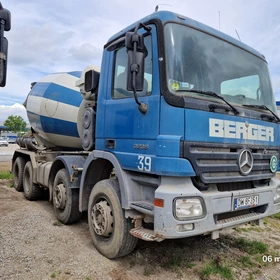
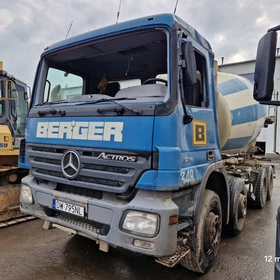
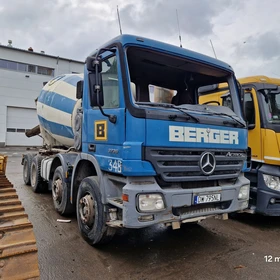
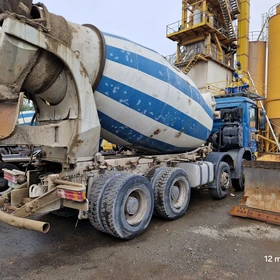
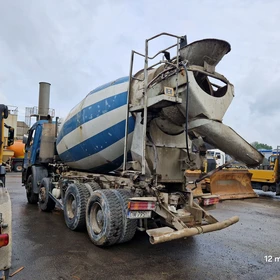
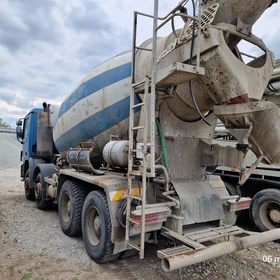
Mercedes-Benz 3236 B 8x4/4 Actros Concrete Mixer 2005
Added: 09.06.2026, 19:52
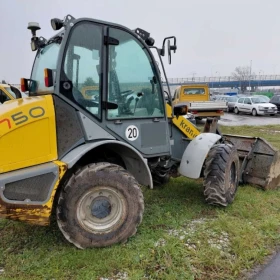

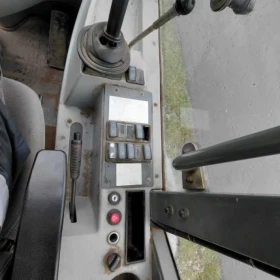
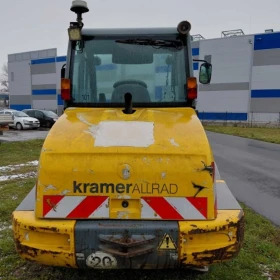
Kramer Allrad 750 (Series 346) wheel loader
Added: 03.12.2025, 15:09


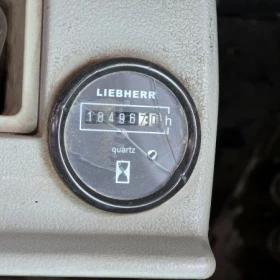


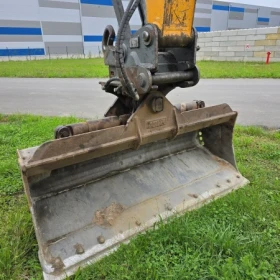

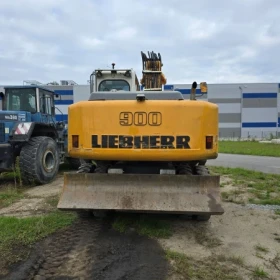
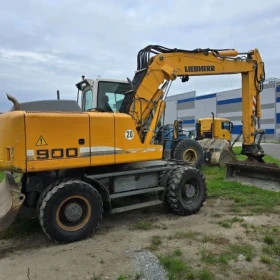
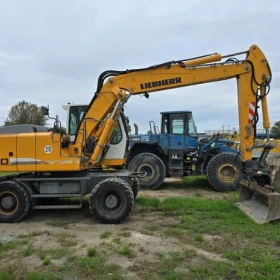

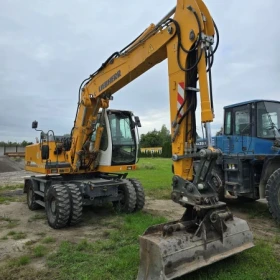
Wheeled Excavator LIEBHERR A 900 C Litronic – POWER AND PRECISION (2011) Urgent
Added: 03.10.2025, 10:42
Verified Construction Equipment - Used Machines from Global Leaders
We offer a comprehensive portfolio of used construction machines: crawler and wheeled excavators from 1.5 to 90 tons, wheeled loaders from 1 to 7m³, bulldozers, graders, road rollers, and specialized equipment. We collaborate with brands such as Caterpillar, Komatsu, Volvo, Hitachi, JCB, Liebherr, and Doosan. Each machine undergoes a 165-point technical inspection, including engine diagnostics, hydraulic system tests, undercarriage wear measurement, and ultrasonic inspection of welded structures. The savings when purchasing used equipment range from 40-60% while retaining 60-80% of the original operational resource.
Key Parameters Verified Before Sale
We conduct an analysis of hydraulic and engine oil (Fe<100ppm, Si<15ppm indicates proper filtration), cylinder compression tests (difference <10% between cylinders), measurement of pin and bushing thickness (acceptable wear <15%), hydraulic pump performance tests (minimum 90% of nominal flow), ECM computer diagnostics with a complete history of error codes, and thermal imaging of components under working load.
Main Categories of Construction Machines:
Crawler Excavators: CAT 320-390, Komatsu PC200-800, Volvo EC220-750. 2D/3D Grade Control systems, hydraulic quick couplers, demolition hammers. Stage V/Tier 4 Final engines.
Wheeled Loaders: CAT 950-990, Volvo L90-350, Komatsu WA380-600. Weighing systems, quick couplers, various bucket configurations. Z-bar or parallel kinematics.
Road Rollers: Bomag, Hamm, Dynapac from 1.5 to 25 tons. Intelligent compaction, GPS mapping, dual amplitude/frequency of vibrations.
Bulldozers: CAT D6-D10, Komatsu D65-475. GPS/laser control systems for blades, rippers, various blade widths.
Advanced FAQ - Technical Diagnostics and Condition Assessment
How to Conduct a Comprehensive Inspection of a CAT 336D2 L Excavator (36 tons) with Remaining Resource Assessment?
Engine diagnostics C9.3 ACERT: Download history from ECM: last 100h error codes, load histograms, idle time <30% is a good indicator. Cold engine compression test: 380-420 psi, difference between cylinders <10%. Cylinder cut-off test: single injector shut-off, RPM drop <15% per cylinder. Oil analysis: Fe<80ppm, Cr<15ppm (bushings), Si<15ppm (dust), viscosity in SAE class. Blow-by: <150 l/min at 1800 RPM indicates good condition. Boost pressure: 35-40 psi under full load, intercooler ΔT>40°C. Common rail fuel system: pressure 1800 bar ±100, balanced return flow. DPF/SCR filter: if Stage IV, back pressure <5 kPa, regeneration interval >50h. Hydraulic system (336 l/min @ 350 bar): Main pump flow test: minimum 95% of nominal flow for each pump. Internal leakage: cylinder drift test <30mm/10min under load. Cycle times at 1800 RPM: arm lift 5.3s, bucket close 3.5s, arm extend 2.8s. Relief valves: main 370 bar, overload 410 bar ±10 bar. Pilot pressure: 40 bar ±2, joystick response <100ms. Oil temperature: <80°C continuous operation, viscosity indicator >140. Cleanliness: ISO 18/16/13 or better, water content <0.05%. Swing motor: holds brake when off, smooth acceleration. Travel: straight tracking ±50mm/10m, two-speed operation. Undercarriage (acceptable wear ~50%): Tracks: pitch 190mm new, 195mm = 50% wear, >200mm replacement. Plate width: 600mm standard, spur height >25mm. Pins/bushings: side play <5mm, no frozen joints. Drive wheels: tooth wear <30%, no hook profile. Tensioning wheels: maximum diameter reduction 10mm, free rotation. Track tension: 320-380mm sag in the middle (CAT specification). Rollers: no flat spots, oil leaks, all rotating. Chain guides: present, <50% wear thickness. Structure and equipment: Boom/arm: ultrasonic 5 critical points, no cracks >2mm. Pin connections: play <2mm, measured with a dial gauge. Bucket: edge wear <50%, teeth present, no cracks. Quick coupler: lock verification, safety valve operation. Cylinder rods: no scratches >0.5mm deep, chrome intact. Swing bearing: play <8mm, uniform around the circumference. Counterweight: secure, no damage (affects stability). Cabin: valid ROPS/FOPS certification, unbroken glass, door seals OK. Electronics and monitoring: Display: all pixels working, menu navigation OK. Grade Control readiness: wiring, brackets, sensors present. Product Link: data transmission, authentic hours. Cameras: if installed, clear image, no damage. Air conditioning: cooling ΔT>15°C, compressor clutch operation. Work lights: preferably LED, all operational. Remaining resource assessment: At current 8000h: Undercarriage 50% = 4000h remaining. Engine overhaul: typically 12000-15000h = 4000-7000h remaining. Hydraulic pumps: average 10000h = 2000h to regeneration. Main components: 60% life remains. Expected costs for the next 2000h: ~15-20k EUR maintenance. ROI: at 1500h/year = 3-4 years of solid work.
How to Optimize the Performance of a Volvo L220H Loader in Loading Cycles?
Test machine parameters: D13J Tier 4 Final engine: 371 HP at 1400-1800 RPM. Bucket: 5.5m³ straight edge, nominal load capacity 9500kg. Operating weight: 32500kg, tipping load 22470kg. Hydraulics: 2×260 l/min with load sensing, pressure 25 MPa. OptiShift: transmission lock, RBB reverse braking. Cycle V test (truck loading): Setup: material pile height 3m, truck distance 10m. Material: gravel density 1.7 t/m³, moisture 5-8%. Goal: 30t truck, loading in 3-4 cycles. Cycle breakdown: Drive to pile: 4-5s @ 6 km/h 1st gear. Bucket penetration: 2-3s, parallel deviation. Lifting while reversing: 3-4s @ 8 km/h, arm up. Driving with load: 5-6s, stable approach to truck. Dumping: 2-3s, height 3.5m, full emptying. Return: 5-6s @ 12 km/h, arm lowered float. Total: 22-27s optimum, <30s acceptable. Performance measurements: Fuel consumption: 24-28 l/h during cycles. Hydraulic temperature: <75°C continuous operation. Tire slip: <10% during penetration. Bucket fill: 90-95% consistently (visually). Material residue: <5% after dumping. Cycles/hour: 120-140 realistically continuous. Load accuracy: ±3% with Load Assist weighing system.
Used construction machinery: excavators, loaders, dozers and cranes
Construction machinery covers earthmoving, lifting and roadbuilding: crawler and wheeled excavators, wheel loaders, backhoe loaders, dozers, graders, dumpers and articulated haulers, tower and mobile cranes, telehandlers, forklifts, rollers and compactors, pavers, concrete mixers and pumps, demolition attachments and site containers. Used machines come from contractors renewing fleets, rental companies rotating stock, and developers closing site operations, so service books with stamped intervals are common and worth more than a fresh coat of paint.
Start from the work cycle, not the brochure. An urban contractor digging trenches needs a compact midi with a narrow bucket and a rotating selector grab; a quarry needs breakout force, large buckets and a reinforced undercarriage. Check operating weight against your trailer and driving licence limits, transport width for narrow access, and emission stage rules for the cities or countries where the machine will work. Ask for the serial number, year, hour-meter reading, and whether the hours are documented in service invoices rather than only on the display.
Buying guide: wear points that decide the price
Undercarriage condition dominates tracked-machine pricing: measure track chain pitch elongation, inspect sprockets, rollers and idlers, and look for cracks around the track frames and boom foot. On wheeled machines, check tyres or solid tyres, axles, articulation play and brake performance. Slew ring play on excavators and cranes is measured with a dial indicator under load — excessive play means a costly rebuild. Test every hydraulic function to the relief valve, watch for drift in cylinders holding a load, and inspect hoses, pins and bushings for play and fresh welds that hide cracks.
Engine, hydraulics and electronics
Cold-start the engine and watch the exhaust colour, check blow-by, coolant condition and oil analysis if available. Hydraulic pumps should not whine under load; slow combined movements point to a tired pump or worn control valve. On newer machines, verify that the rated capacity limiter, cameras, telematics and emission aftertreatment (DPF, SCR/AdBlue) work without fault codes. Deleted or bypassed emission systems create registration problems in many EU markets, so confirm the aftertreatment is intact and original.
Attachments, buckets and quick couplers
Price the machine with and without attachments: buckets, hydraulic hammers, augers, compactors, grapples and pallet forks hold real value. Check the quick coupler for play, test the safety lock, and confirm auxiliary hydraulic lines match your attachments in flow and pressure. Worn bucket teeth, cutting edges and side cutters are consumables, but a cracked bucket shell or a bent dipper stick is structural — inspect welds with the paint scraped back rather than trusting a cosmetic repaint.
Frequently asked questions
How many hours are too many for a used excavator?
Hours alone mislead: 8,000 documented hours with undercarriage replaced and pumps rebuilt can beat 4,000 hard rental hours with a worn slew ring. Judge the combination of hours, service stamps, oil samples, measured play and the price of upcoming component rebuilds.
What should a rental-fleet machine include?
Full service history, damage and repair logs, the operator manual, the load charts for cranes and telehandlers, and the last statutory inspection reports. Rental machines work hard but are serviced on schedule, which the paperwork should prove.
Can I verify CE conformity on older machines?
Ask for the declaration of conformity, the data plate and the manual in your language. Missing guards, disabled interlocks or removed ROPS/FOPS structures are not cosmetic issues: they affect insurance, site access and resale, so cost the replacements before negotiating.
How do I check a tower crane or telehandler remotely?
Request video of every motion under load, close-ups of wire ropes, hooks, limit switches and outriggers, plus the latest inspection certificate and the maintenance log. Confirm the load moment indicator is calibrated and that all safety devices function before discussing transport.
Popular brands in this category
FAQ
What are the top excavator brands that hold their value?
The excavator brands that typically hold their value best are: Caterpillar (CAT) - known for durability and parts availability, Komatsu - excellent resale in Asia and Europe, Volvo - strong in Europe, premium quality, Hitachi - reliable, good parts support, and Liebherr - premium brand, holds value well in European markets. Factors affecting resale include maintenance history, operating hours, and regional demand.
What should I check when buying used industrial machinery?
Key inspection points: 1) Operating hours and maintenance records, 2) Physical condition - wear, rust, damage, 3) Electrical systems and controls, 4) Hydraulic systems - check for leaks, 5) Safety features and CE compliance, 6) Test run under load, 7) Spare parts availability, 8) Original documentation.
How many operating hours is too many for a used excavator?
For excavators, hour thresholds vary by size: Mini excavators (under 8 tons): 5,000-8,000 hours is considered high. Medium excavators (8-25 tons): 10,000-12,000 hours. Large excavators (over 25 tons): 15,000-20,000 hours. However, a well-maintained machine with 15,000 hours can be a better purchase than a neglected one with 5,000 hours. Always check undercarriage condition, hydraulic system, and service records.
What is the typical depreciation rate for industrial machinery?
Industrial machinery typically depreciates 15-20% in the first year, then 8-12% annually. After 5 years expect 50-60% depreciation. After 10 years, machines retain 25-40% of original value. Premium brands hold value better.
What should I check before buying a used wheel loader?
Key inspection points for wheel loaders: 1) Tire condition - check tread depth and sidewall damage (tires are expensive), 2) Articulation joint - check for play and leaks, 3) Lift arms and bucket - inspect pins, bushings, and cylinders, 4) Transmission - test all gears and check for unusual noises, 5) Engine - check for smoke, leaks, and oil analysis, 6) Hydraulic system - test all functions under load, 7) Cab and controls - verify all gauges and functions work.
What is the difference between CNC and conventional machines?
CNC machines are computer-controlled offering precise, repeatable operations. Conventional machines require manual operation. CNC advantages: higher precision, faster production, complex geometries. Conventional advantages: lower cost, simpler maintenance, better for one-off jobs.
What payment methods are safe for international machinery purchases?
Safe methods: 1) Letter of Credit - bank guarantees both parties, 2) Escrow services - funds released after inspection, 3) Partial payment with inspection clause - 30% deposit, 70% after inspection. Avoid full wire transfers before inspection.
How do I check operating hours on used machinery?
Location varies by control: Fanuc - PMC diagnostic screen, Siemens 840D - Diagnostics menu, Mazak - Maintenance screen. For construction equipment check dashboard hour meter. Always verify with service records.
 Log in with Facebook
 Log in with Google