Professional construction machinery - excavators, loaders, bulldozers
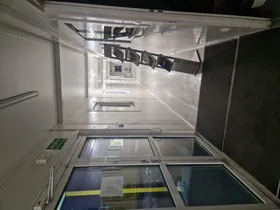

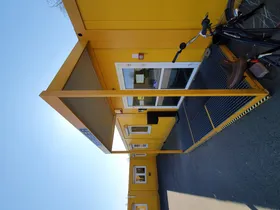
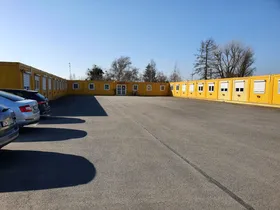
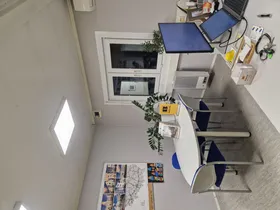

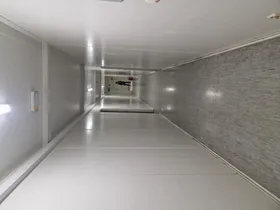
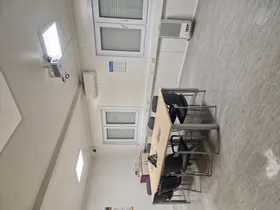
Used Container System Metalplast 2002 - Wrocław
Added: 10.06.2026, 13:16
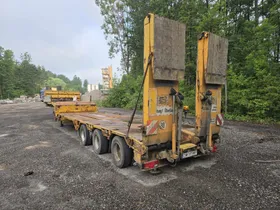
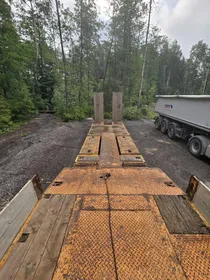
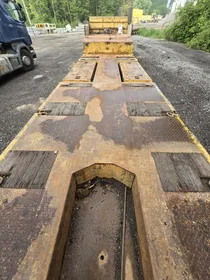
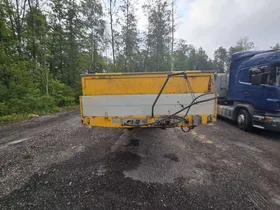
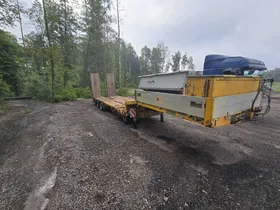
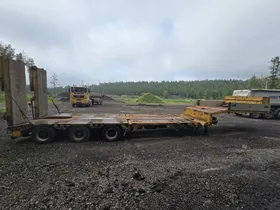
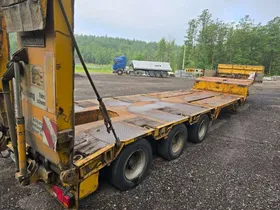
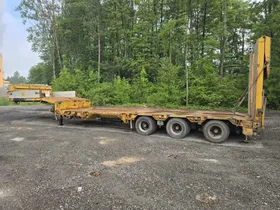
Used GOLDHOFER Low Loader 2006 - Chrzanów
Added: 10.06.2026, 13:16
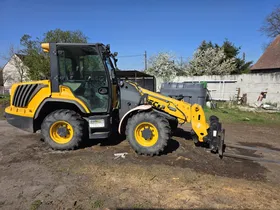
Used Dieci Telescopic Loader 2017 - Wrocław
Added: 10.06.2026, 13:16
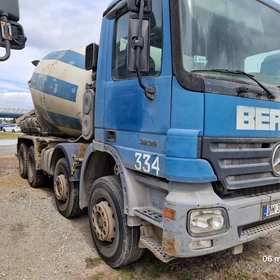
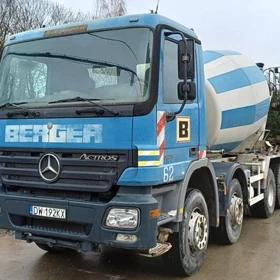
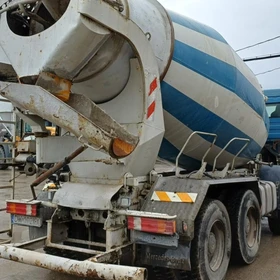
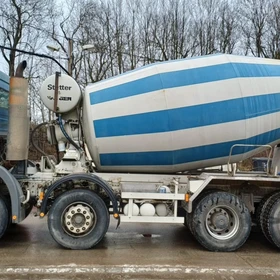
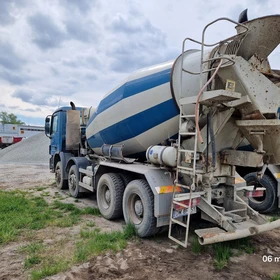
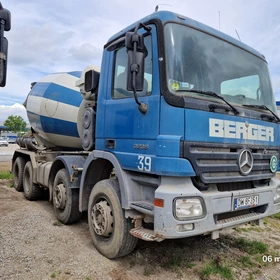
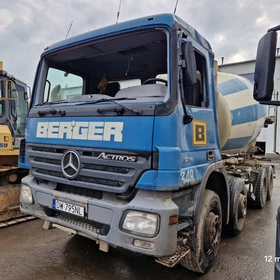
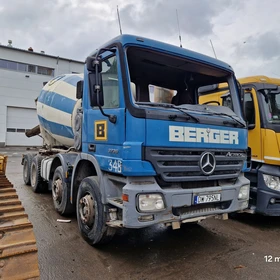
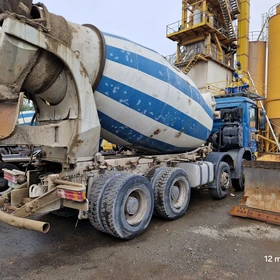
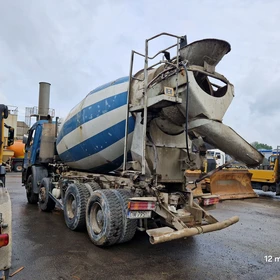
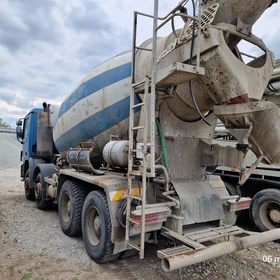
Mercedes-Benz 3236 B 8x4/4 Actros Concrete Mixer 2005
Added: 09.06.2026, 19:52
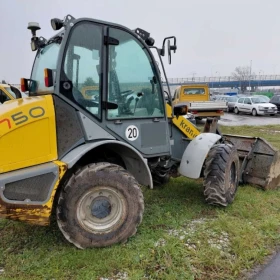

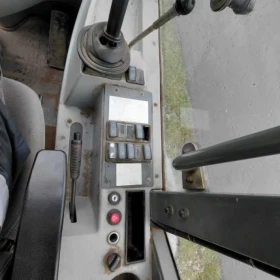
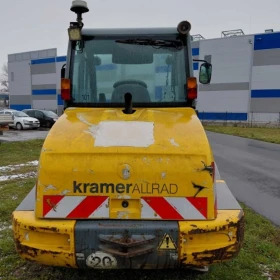
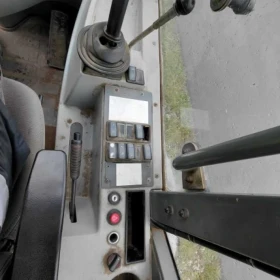
Kramer Allrad 750 (Series 346) wheel loader
Added: 03.12.2025, 15:09


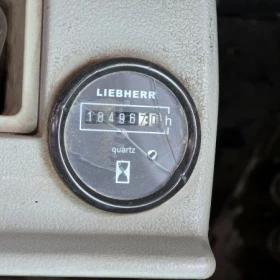


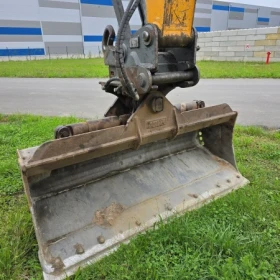

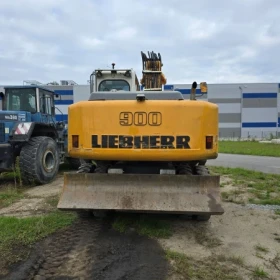
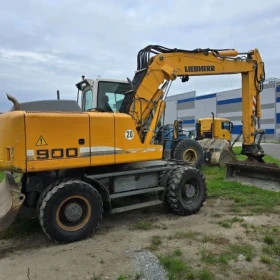
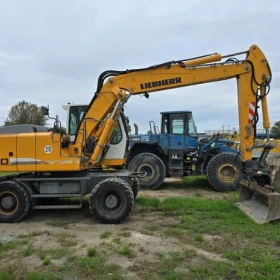

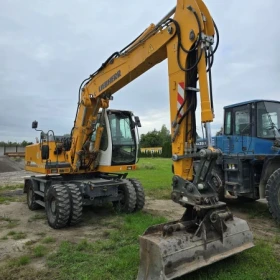
Wheeled Excavator LIEBHERR A 900 C Litronic – POWER AND PRECISION (2011) Urgent
Added: 03.10.2025, 10:42
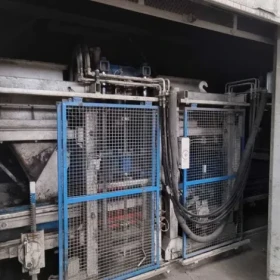
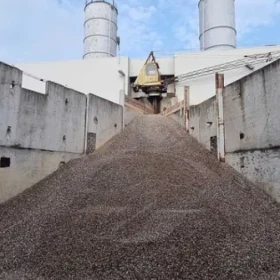
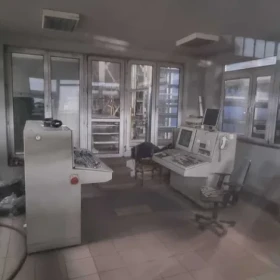
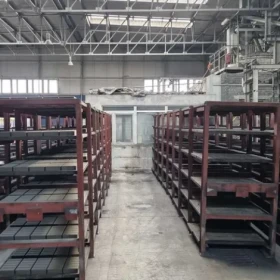
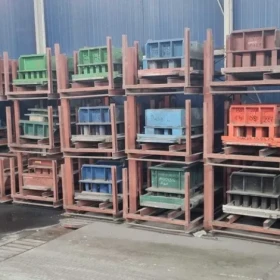
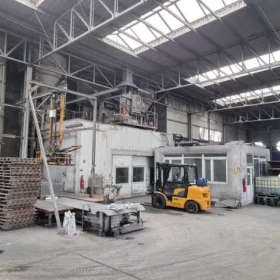
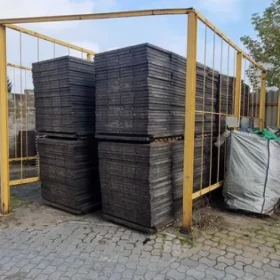
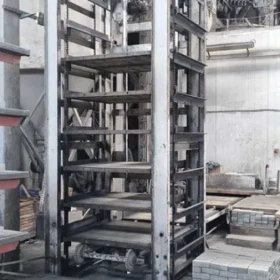
Production line for vibro-pressed concrete elements
Added: 20.04.2023, 09:46


Crane "HDS HKL 140" hydraulic crane manufactured by HDS (Hydrauliska Produkter AB)
Added: 13.04.2023, 10:39
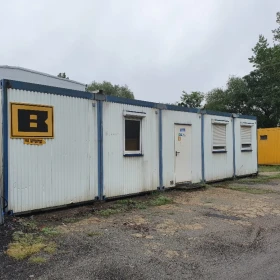
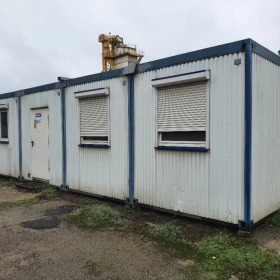
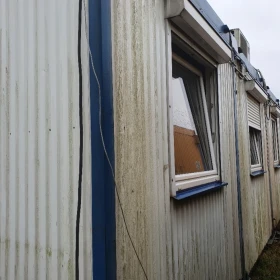
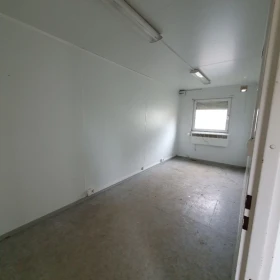
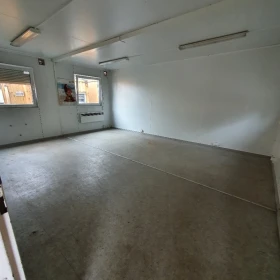
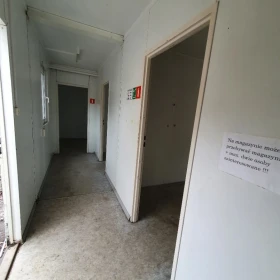
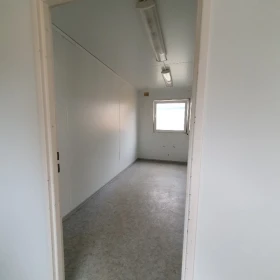
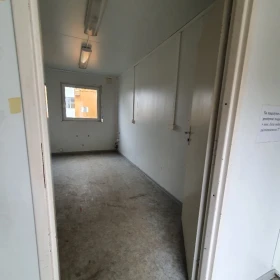
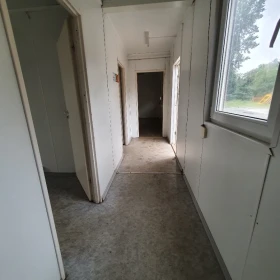
Set of 5 used containers manufactured by Hepamos Krakow 2006
Added: 12.04.2023, 09:55
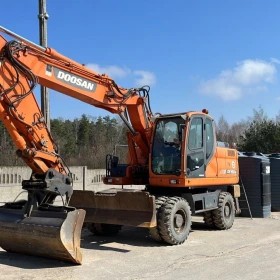
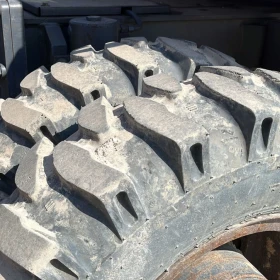
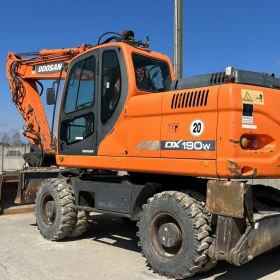
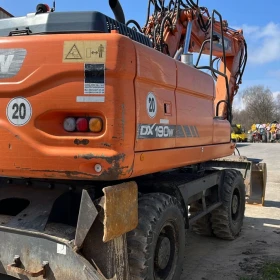
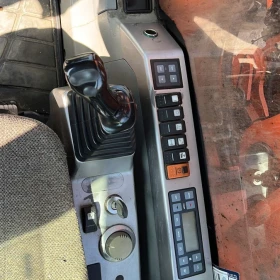
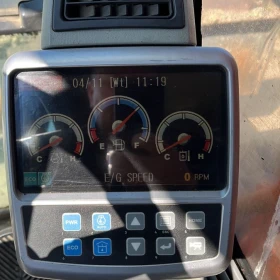
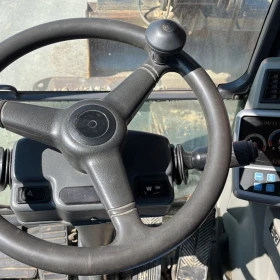
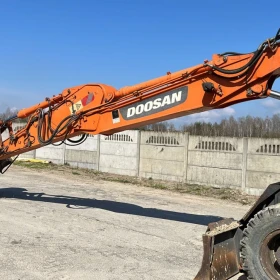
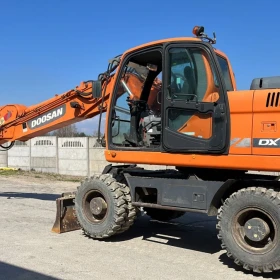
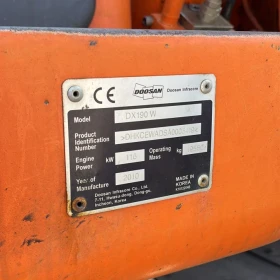
DOOSAN DX190W wheeled excavator, year of production 2010, first owner, in very good condition
Added: 11.04.2023, 18:09
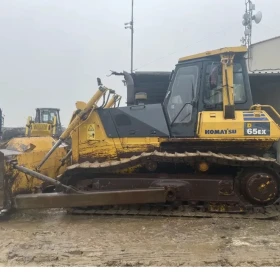

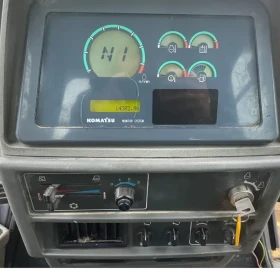
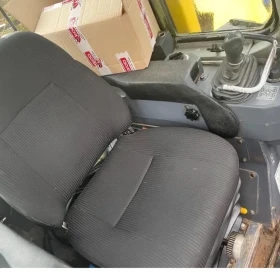


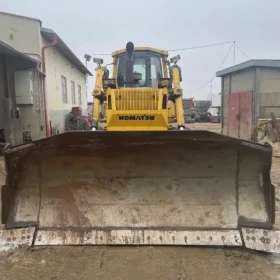
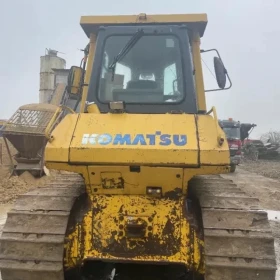
Komatsu D65EX-12, year 2002
Added: 11.04.2023, 17:49
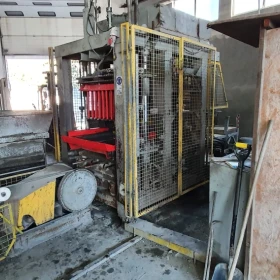
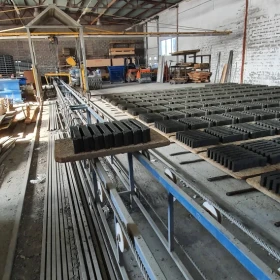

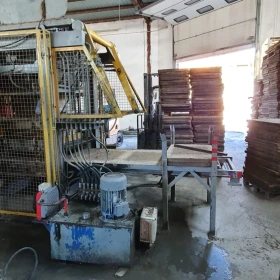
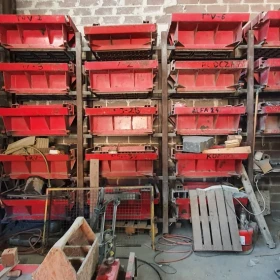
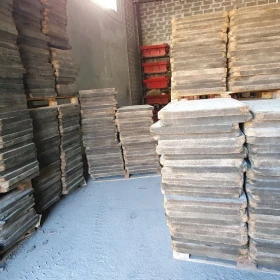
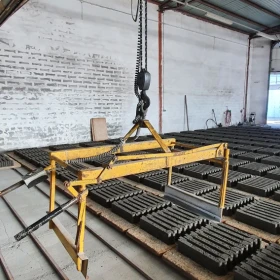
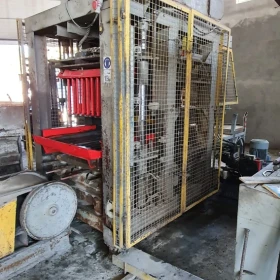
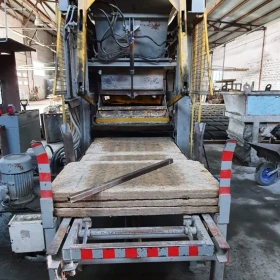
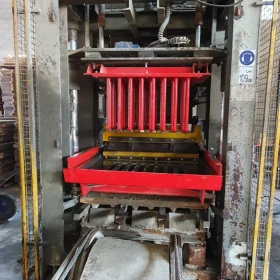
Stationary production line from ROAD Włoszczowa, model Tytan 2
Added: 11.04.2023, 16:51
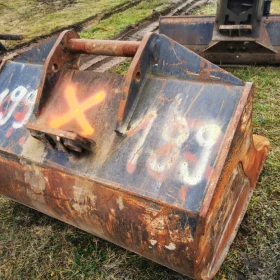
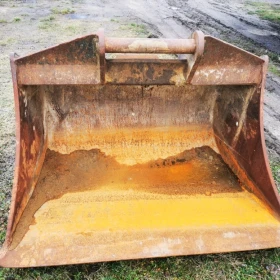
Used excavator bucket, manufactured by BSG
Added: 11.04.2023, 13:22
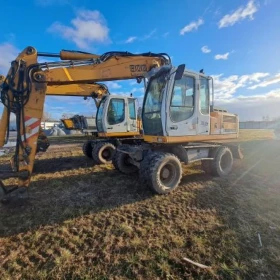
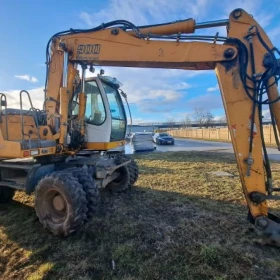
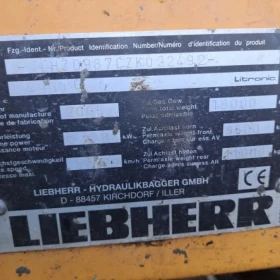

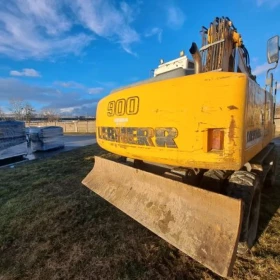
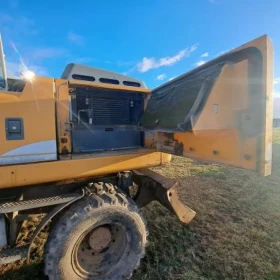
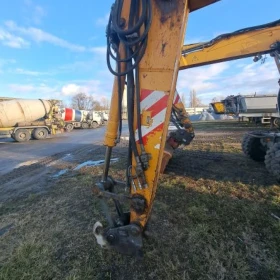
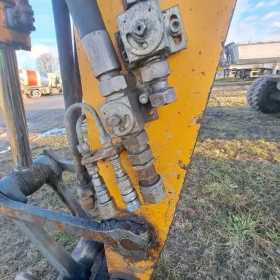
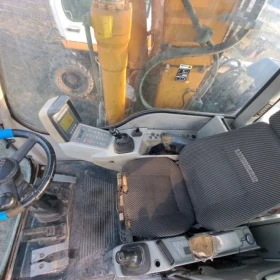
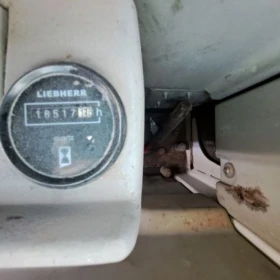
Liebherr Model: A900C LI, year 2004
Added: 11.04.2023, 13:18
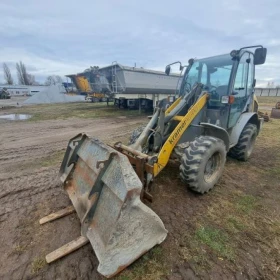
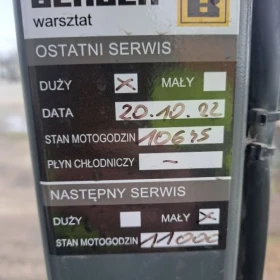
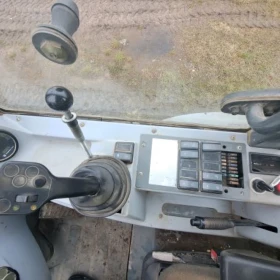
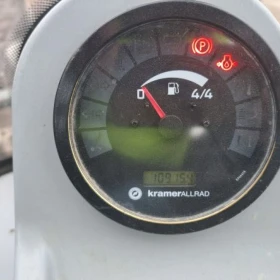
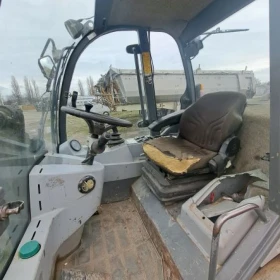
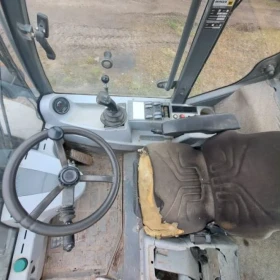
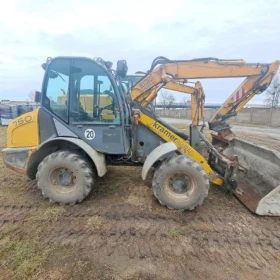
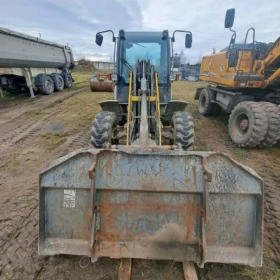
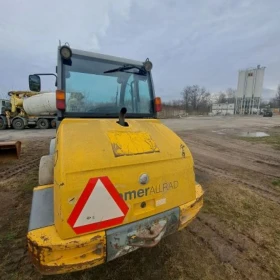
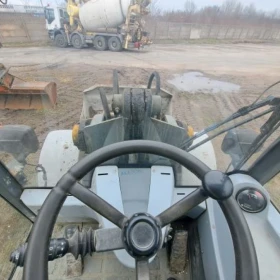
Kramer 750 346/347 Year of production: 2008
Added: 11.04.2023, 11:38
Verified Construction Equipment - Used Machines from Global Leaders
We offer a comprehensive portfolio of used construction machines: crawler and wheeled excavators from 1.5 to 90 tons, wheeled loaders from 1 to 7m³, bulldozers, graders, road rollers, and specialized equipment. We collaborate with brands such as Caterpillar, Komatsu, Volvo, Hitachi, JCB, Liebherr, and Doosan. Each machine undergoes a 165-point technical inspection, including engine diagnostics, hydraulic system tests, undercarriage wear measurement, and ultrasonic inspection of welded structures. The savings when purchasing used equipment range from 40-60% while retaining 60-80% of the original operational resource.
Key Parameters Verified Before Sale
We conduct an analysis of hydraulic and engine oil (Fe<100ppm, Si<15ppm indicates proper filtration), cylinder compression tests (difference <10% between cylinders), measurement of pin and bushing thickness (acceptable wear <15%), hydraulic pump performance tests (minimum 90% of nominal flow), ECM computer diagnostics with a complete history of error codes, and thermal imaging of components under working load.
Main Categories of Construction Machines:
Crawler Excavators: CAT 320-390, Komatsu PC200-800, Volvo EC220-750. 2D/3D Grade Control systems, hydraulic quick couplers, demolition hammers. Stage V/Tier 4 Final engines.
Wheeled Loaders: CAT 950-990, Volvo L90-350, Komatsu WA380-600. Weighing systems, quick couplers, various bucket configurations. Z-bar or parallel kinematics.
Road Rollers: Bomag, Hamm, Dynapac from 1.5 to 25 tons. Intelligent compaction, GPS mapping, dual amplitude/frequency of vibrations.
Bulldozers: CAT D6-D10, Komatsu D65-475. GPS/laser control systems for blades, rippers, various blade widths.
Advanced FAQ - Technical Diagnostics and Condition Assessment
How to Conduct a Comprehensive Inspection of a CAT 336D2 L Excavator (36 tons) with Remaining Resource Assessment?
Engine diagnostics C9.3 ACERT: Download history from ECM: last 100h error codes, load histograms, idle time <30% is a good indicator. Cold engine compression test: 380-420 psi, difference between cylinders <10%. Cylinder cut-off test: single injector shut-off, RPM drop <15% per cylinder. Oil analysis: Fe<80ppm, Cr<15ppm (bushings), Si<15ppm (dust), viscosity in SAE class. Blow-by: <150 l/min at 1800 RPM indicates good condition. Boost pressure: 35-40 psi under full load, intercooler ΔT>40°C. Common rail fuel system: pressure 1800 bar ±100, balanced return flow. DPF/SCR filter: if Stage IV, back pressure <5 kPa, regeneration interval >50h. Hydraulic system (336 l/min @ 350 bar): Main pump flow test: minimum 95% of nominal flow for each pump. Internal leakage: cylinder drift test <30mm/10min under load. Cycle times at 1800 RPM: arm lift 5.3s, bucket close 3.5s, arm extend 2.8s. Relief valves: main 370 bar, overload 410 bar ±10 bar. Pilot pressure: 40 bar ±2, joystick response <100ms. Oil temperature: <80°C continuous operation, viscosity indicator >140. Cleanliness: ISO 18/16/13 or better, water content <0.05%. Swing motor: holds brake when off, smooth acceleration. Travel: straight tracking ±50mm/10m, two-speed operation. Undercarriage (acceptable wear ~50%): Tracks: pitch 190mm new, 195mm = 50% wear, >200mm replacement. Plate width: 600mm standard, spur height >25mm. Pins/bushings: side play <5mm, no frozen joints. Drive wheels: tooth wear <30%, no hook profile. Tensioning wheels: maximum diameter reduction 10mm, free rotation. Track tension: 320-380mm sag in the middle (CAT specification). Rollers: no flat spots, oil leaks, all rotating. Chain guides: present, <50% wear thickness. Structure and equipment: Boom/arm: ultrasonic 5 critical points, no cracks >2mm. Pin connections: play <2mm, measured with a dial gauge. Bucket: edge wear <50%, teeth present, no cracks. Quick coupler: lock verification, safety valve operation. Cylinder rods: no scratches >0.5mm deep, chrome intact. Swing bearing: play <8mm, uniform around the circumference. Counterweight: secure, no damage (affects stability). Cabin: valid ROPS/FOPS certification, unbroken glass, door seals OK. Electronics and monitoring: Display: all pixels working, menu navigation OK. Grade Control readiness: wiring, brackets, sensors present. Product Link: data transmission, authentic hours. Cameras: if installed, clear image, no damage. Air conditioning: cooling ΔT>15°C, compressor clutch operation. Work lights: preferably LED, all operational. Remaining resource assessment: At current 8000h: Undercarriage 50% = 4000h remaining. Engine overhaul: typically 12000-15000h = 4000-7000h remaining. Hydraulic pumps: average 10000h = 2000h to regeneration. Main components: 60% life remains. Expected costs for the next 2000h: ~15-20k EUR maintenance. ROI: at 1500h/year = 3-4 years of solid work.
How to Optimize the Performance of a Volvo L220H Loader in Loading Cycles?
Test machine parameters: D13J Tier 4 Final engine: 371 HP at 1400-1800 RPM. Bucket: 5.5m³ straight edge, nominal load capacity 9500kg. Operating weight: 32500kg, tipping load 22470kg. Hydraulics: 2×260 l/min with load sensing, pressure 25 MPa. OptiShift: transmission lock, RBB reverse braking. Cycle V test (truck loading): Setup: material pile height 3m, truck distance 10m. Material: gravel density 1.7 t/m³, moisture 5-8%. Goal: 30t truck, loading in 3-4 cycles. Cycle breakdown: Drive to pile: 4-5s @ 6 km/h 1st gear. Bucket penetration: 2-3s, parallel deviation. Lifting while reversing: 3-4s @ 8 km/h, arm up. Driving with load: 5-6s, stable approach to truck. Dumping: 2-3s, height 3.5m, full emptying. Return: 5-6s @ 12 km/h, arm lowered float. Total: 22-27s optimum, <30s acceptable. Performance measurements: Fuel consumption: 24-28 l/h during cycles. Hydraulic temperature: <75°C continuous operation. Tire slip: <10% during penetration. Bucket fill: 90-95% consistently (visually). Material residue: <5% after dumping. Cycles/hour: 120-140 realistically continuous. Load accuracy: ±3% with Load Assist weighing system.
FAQ
What are the top excavator brands that hold their value?
The excavator brands that typically hold their value best are: Caterpillar (CAT) - known for durability and parts availability, Komatsu - excellent resale in Asia and Europe, Volvo - strong in Europe, premium quality, Hitachi - reliable, good parts support, and Liebherr - premium brand, holds value well in European markets. Factors affecting resale include maintenance history, operating hours, and regional demand.
What should I check when buying used industrial machinery?
Key inspection points: 1) Operating hours and maintenance records, 2) Physical condition - wear, rust, damage, 3) Electrical systems and controls, 4) Hydraulic systems - check for leaks, 5) Safety features and CE compliance, 6) Test run under load, 7) Spare parts availability, 8) Original documentation.
How many operating hours is too many for a used excavator?
For excavators, hour thresholds vary by size: Mini excavators (under 8 tons): 5,000-8,000 hours is considered high. Medium excavators (8-25 tons): 10,000-12,000 hours. Large excavators (over 25 tons): 15,000-20,000 hours. However, a well-maintained machine with 15,000 hours can be a better purchase than a neglected one with 5,000 hours. Always check undercarriage condition, hydraulic system, and service records.
What is the typical depreciation rate for industrial machinery?
Industrial machinery typically depreciates 15-20% in the first year, then 8-12% annually. After 5 years expect 50-60% depreciation. After 10 years, machines retain 25-40% of original value. Premium brands hold value better.
What should I check before buying a used wheel loader?
Key inspection points for wheel loaders: 1) Tire condition - check tread depth and sidewall damage (tires are expensive), 2) Articulation joint - check for play and leaks, 3) Lift arms and bucket - inspect pins, bushings, and cylinders, 4) Transmission - test all gears and check for unusual noises, 5) Engine - check for smoke, leaks, and oil analysis, 6) Hydraulic system - test all functions under load, 7) Cab and controls - verify all gauges and functions work.
What is the difference between CNC and conventional machines?
CNC machines are computer-controlled offering precise, repeatable operations. Conventional machines require manual operation. CNC advantages: higher precision, faster production, complex geometries. Conventional advantages: lower cost, simpler maintenance, better for one-off jobs.
What payment methods are safe for international machinery purchases?
Safe methods: 1) Letter of Credit - bank guarantees both parties, 2) Escrow services - funds released after inspection, 3) Partial payment with inspection clause - 30% deposit, 70% after inspection. Avoid full wire transfers before inspection.
How do I check operating hours on used machinery?
Location varies by control: Fanuc - PMC diagnostic screen, Siemens 840D - Diagnostics menu, Mazak - Maintenance screen. For construction equipment check dashboard hour meter. Always verify with service records.
 Log in with Facebook
 Log in with Google