Ads Used Woodworking Machinery – Purchase and Financing from Szczecin
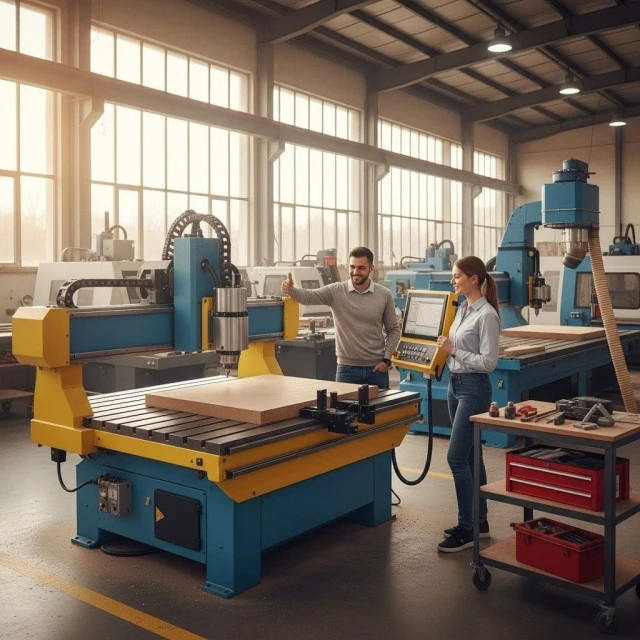
How to Choose a Used Wood CNC Machining Center? A Complete Machine Audit...


TAUS SMB-2 550 Double-Arbor Frame Saw Line, 2022/2023 Urgent
Added: 27.05.2026, 13:28


Fiber OB-350 Edge Trimmer with Chain Sorting Table, 2023 Urgent
Added: 27.05.2026, 13:28


Fiber DW 2-350 Gang Rip Saw, 2023 Urgent
Added: 27.05.2026, 13:28


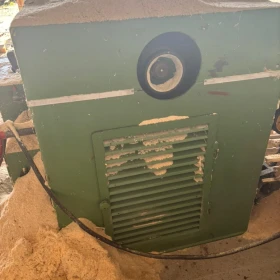


JONSEREDS Multi-Rip Saw
Added: 11.12.2025, 15:39
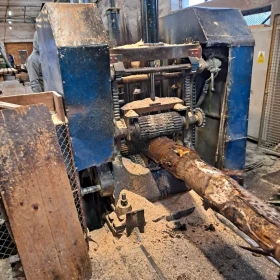
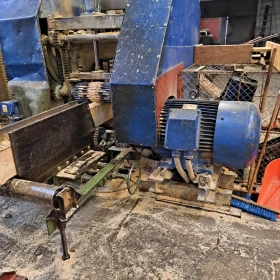
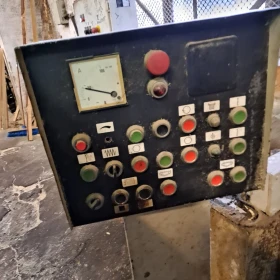


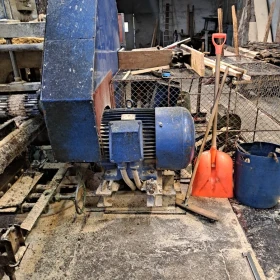


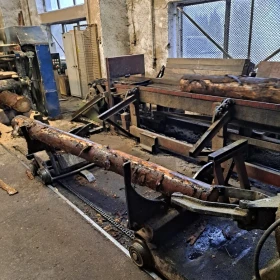

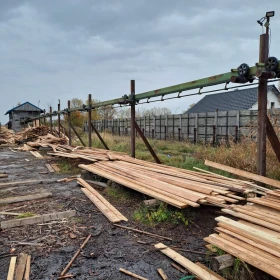
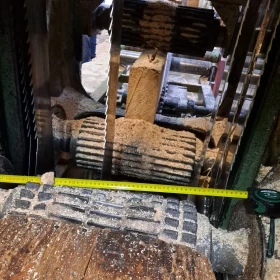
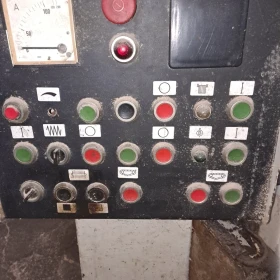
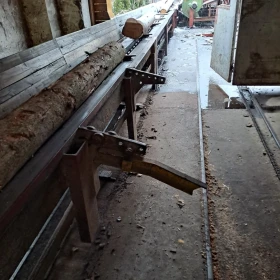


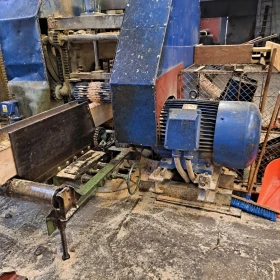
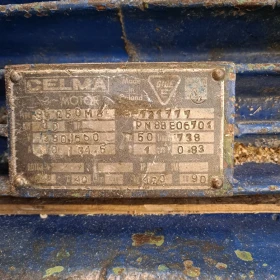

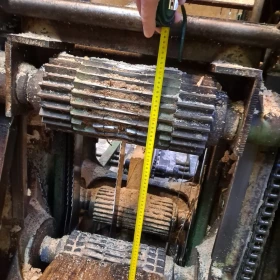
FOD GKT 60 F Vertical Log Sawmill Urgent
Added: 29.11.2025, 17:31


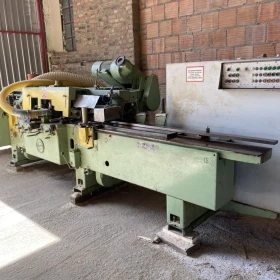


Weinig U 22 A Unimat 22A Four-Sided Planer/Moulder Urgent
Added: 13.11.2025, 09:10


5-Axis CNC Router 2021 ATC Urgent
Added: 27.10.2025, 12:11


Profile Grinding Machine HENO-STANDARD ST-AZ-P (1979)
Added: 15.10.2025, 14:28


TOS Svitavy PWR 421 Multi-blade Saw Urgent
Added: 10.10.2025, 15:17


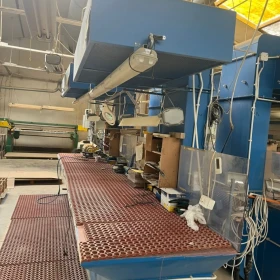
Professional Industrial Sanding Table with Suction and Filtration (2 units) (Revised) Urgent
Added: 03.10.2025, 15:42


Used PIZZI 9038 Glue Spreader – Italian Gluing Precision 2007 Y.P. | Production Ready Urgent
Added: 03.10.2025, 15:26
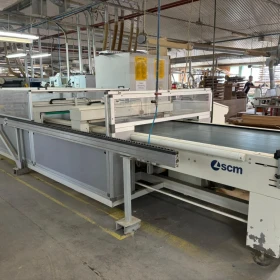

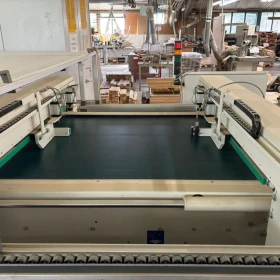

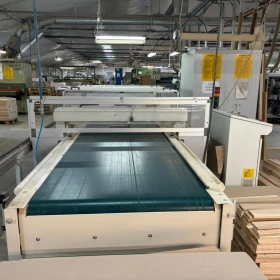
Used SCM ACTION H Through-feed Hydraulic Press (2019) – Perfect for gluing frames, doors, and windows Urgent
Added: 26.09.2025, 11:22

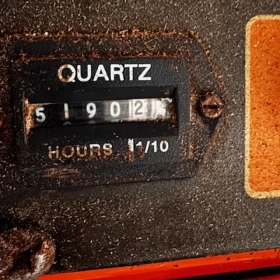
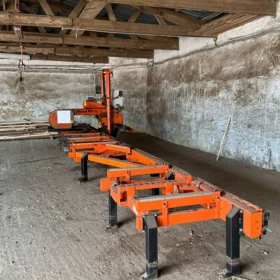
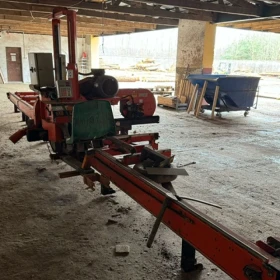
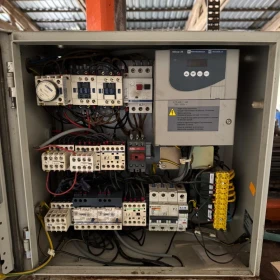
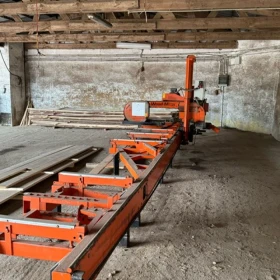

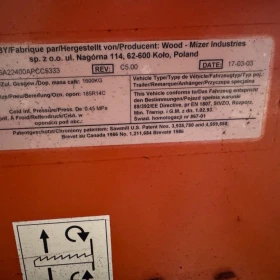

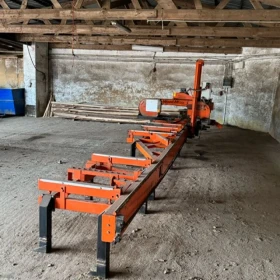

Wood-Mizer LT25LE11S mobile band saw | 2006 | 7.2m bed | 5100h Urgent
Added: 25.09.2025, 10:05

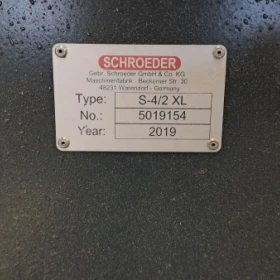
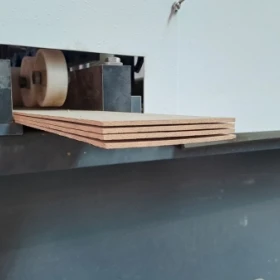

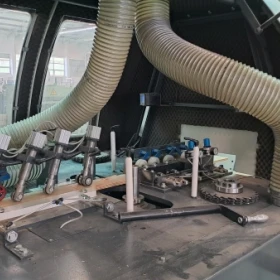
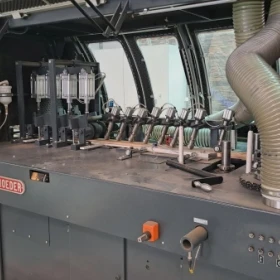
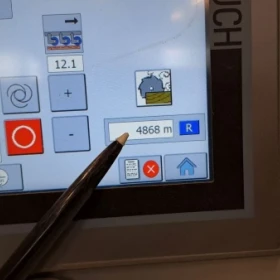
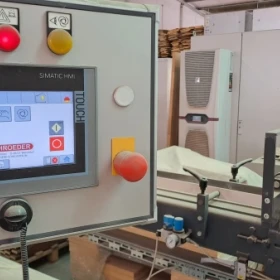

Schroeder S-4/2 XL Multi-blade Saw / Lamella Cutter | Year 2019 | As new Urgent
Added: 24.09.2025, 21:27


Industrial Single-sided Edgebander SCM Stefani Evolution C 220 Urgent
Added: 24.09.2025, 18:36
Used Woodworking Machinery – Purchase and Financing
\nWe offer used woodworking machines from manufacturers such as Homag, SCM Group, Biesse, Weinig, Altendorf. The portfolio includes CNC machining centers with 3-5 axes, panel saws, single-sided and double-sided edge banders, wide belt sanders, and specialized machines for the production of windows, doors, and stairs. Each machine is verified for technical condition, geometry, drive systems, and control systems. Buying a used woodworking machine in good condition can reduce investment cost compared to purchasing new equipment, while maintaining productivity suitable for a typical furniture workshop.
\nMost of the machines we list can be inspected in the seller's facility before purchase, so you can evaluate the machine in operation rather than relying on photos alone. A careful inspection, backed by written documentation, is often the difference between a machine that pays for itself and one that creates unexpected downtime. If your production line also covers metal processing, you will find complementary equipment in our metalworking machinery category.
\nFor wood impregnation, industrial autoclaves are used — see wood impregnation autoclaves.
\n\nWhat to check before buying a used woodworking machine
\nBefore you commit to a purchase, it helps to answer a few practical questions about your own production. What parts do you run most often, in what batch sizes, and from which materials? The answers determine whether a 3-axis or 5-axis CNC center is sufficient, whether a single-sided edge bander meets your throughput, and whether you need automatic infeed for a panel saw. Matching the machine to your actual workload is often more important than its year of manufacture.
\nWhen you have shortlisted a machine, request the available technical documentation and, where possible, a running test. Verify the machine's history: year of manufacture, operating hours if shown, ownership history, and whether it was used in single-shift or multi-shift production. Check that the spindle, guides, and clamping system are in good order and that the control system can exchange programs with your CAM software. For an independent view of what a machine is worth relative to its condition, our machine appraisal methodology explains how valuations are prepared and which factors influence the final figure.
\n\nKey Technical Parameters to Verify Before Purchase
\nBefore buying a used woodworking machine, it is worth verifying:
\n- \n
- Mechanical condition: guides, spindles, drive motors \n
- Control system: compatibility with CAD/CAM software, availability of updates \n
- Positioning accuracy and repeatability of axis movements \n
- Electronics condition: controllers, encoders, safety sensors \n
- Availability of spare parts and technical documentation \n
- Safety equipment: guards, emergency stops, light curtains, CE certification status \n
- Wear parts: feed belts, tool spindles, clamping elements, dust extraction connections \n
Requesting a video of the machine running and, if practical, a demonstration under load can reveal issues that are invisible in a static photo. Spare parts availability matters too, because a machine you cannot service will be expensive to keep running even if the purchase price was low.
\n\nHow to Finance a Woodworking Machine Purchase
\nIf you have found the right machine but prefer not to tie up all your own capital, check whether the purchase qualifies for financing support. Not every machine and not every seller meets the conditions – that is why we verify each case individually.
\nWhat we check when financing woodworking machines:
\n- \n
- Machine type, year of manufacture, and technical condition \n
- Price and source of origin \n
- Documentation and possibility of market valuation \n
- Your company situation and cash flow needs \n
Check machine financing details
\n\nFrequently Asked Questions
\nCan I finance a used edge bander or panel saw?
\nYes, provided the machine is well documented, has clear origin, and meets basic technical criteria. Not every machine qualifies – we check each case separately.
\n\nHow do I check the condition of a used CNC woodworking center?
\nCheck: year of manufacture, operating hours, spindle and guide condition, availability of spare parts, compatibility with your CAD/CAM software, and whether the machine has current CE certificates. It is also worth asking for a video of the machine in operation.
\n\nHow much does it cost to transport a woodworking machine from abroad?
\nTransport from Germany, Italy, or Austria typically costs 2-5% of the machine value. For larger machines (CNC centers, production lines), the cost may be higher due to specialized transport.
\n\nDo used woodworking machines come with a warranty?
\nUsed machines usually do not come with a warranty or it is very limited. It is worth negotiating technical acceptance conditions before finalizing the purchase. Some sellers offer a short trial period or after-sales support – always ask about this.
\n\nWhat is the typical payback period for a used woodworking machine?
\nThe payback period depends on the type of machine, its utilization, and the margin in your workshop. For typical woodworking machines (edge banders, panel saws), the payback period is usually 12-36 months at full utilization. With leasing financing, the monthly installment is spread over time, allowing better cash flow management.
\n\nCan I sell a used woodworking machine through WeSellMachines?
\nYes. If you are upgrading your line or replacing older equipment, you can list your current machine on the platform. The listing process, including the information and photos required, is described on our sell a machine page.
\n\nAbout This Category
\nWeSellMachines is a marketplace for used machinery connecting buyers and sellers across Europe. This category is dedicated to companies in the furniture and woodworking industry – from small workshops to large production facilities.
\nWe are not a dealer with a warehouse. We are a platform that verifies listings, facilitates contact, and – when possible – supports purchase financing. If you have a specific machine in mind or need help comparing options, our machinery expert Marcin Białczyk can answer questions about condition, valuation, and next steps.
\n\nUsed woodworking machinery for joinery shops and sawmills
Woodworking machinery covers the full chain from rough timber to finished components: format saws, panel saws, planers, thicknessers, spindle moulders, tenoners, edgebanders, CNC machining centres, sanders, presses and extraction units. On the second-hand market, joinery shops, furniture makers, sawmills and door manufacturers sell machines when they restructure production, move premises or upgrade capacity, which keeps a steady supply of maintained equipment in circulation.
When browsing listings in this category, start from the work you actually do. A small custom furniture shop needs a different setup than a window factory or a pallet plant. Check the maximum cutting width and length, spindle diameters, feed speeds, dust extraction diameters and the electrical connection (400 V three-phase is standard for stationary machines in Europe). Ask for the machine plate photo, the year of manufacture, operating hours where a counter exists, and whether the manual and wiring diagram are included. Machines with complete documentation are easier to install, insure and service.
Buying guide: how to compare used wood machines
Condition matters more than age. A twenty-year-old format saw from a maintenance-minded shop can cut more accurately than a neglected five-year-old machine. Look at the table surface for rust and grooves, run the sliding carriage along its full travel, listen to the bearings at working speed, and check fences and stops for play. For planers and thicknessers, inspect the cutterblock, feed rollers and the condition of the bed. For edgebanders, the glue pot, trimming aggregates and buffing units decide the result, so ask for a test edge on a sample board.
Spare parts and tooling
Before committing, confirm that blades, cutters, belts and bearings are still available for the model. Standard spindle diameters (30, 40 and 50 mm) and common saw blade bores keep tooling costs down. If the machine uses proprietary control boards or discontinued drives, price the risk: a cheap machine with an obsolete control can become expensive the first time a board fails. Ask the seller which service company maintained the machine and whether they would continue to support it at your address.
Transport, placement and extraction
Stationary wood machines are heavy and sensitive to shock. Plan the transport with a company that moves machinery, not general freight: cast-iron tables crack when a forklift places the load badly. Measure doors, ceiling height and floor load capacity at your shop before the truck arrives. Dust extraction is part of the machine, not an accessory: undersized extraction shortens tool life and leaves a finish that needs rework. Budget for ducting, a separator and an air makeup solution when you move into a larger machine.
Frequently asked questions
What should I check first on a used format saw?
Run the sliding table through its full stroke, check the rip fence for parallel alignment with the blade, and cut a test panel to measure squareness and chip-out. Inspect the scoring unit, the tilt mechanism and the condition of the table insert. Ask when the bearings and belts were last replaced.
Are old edgebanders still worth buying?
Yes, if the glue application, end trimming, top and bottom trimming, scraping and buffing aggregates all work and spare parts exist. Machines with a pre-milling unit handle glued joints better on coated boards. Request a test run with your own board material and edge tape before payment.
How do I verify a CNC machining centre without visiting?
Ask for a video of the full cycle: tool change, calibration, execution of a sample program and measurement of the finished part. Request the backup of machine parameters, the list of installed options, and the alarm history. Confirm the control boots without errors and that the vacuum pump holds pressure.
What documents should come with the machine?
The manual, the electrical diagram, the declaration of conformity and any service records. For machines built after 1995 in the EU market, CE marking and guards in place matter for insurance and workplace inspection. Missing guards are a cost item: price replacements before you agree on the price.
Popular brands in this category
FAQ
What should I check when buying used industrial machinery?
Key inspection points for used machinery include: 1) Operating hours and maintenance records - request full service history, 2) Physical condition - check for wear patterns, rust, damage, and oil leaks, 3) Electrical systems and control panels - verify all functions work, 4) Hydraulic systems - check for leaks and proper pressure, 5) Safety features and CE compliance, 6) Test run under actual load conditions if possible, 7) Spare parts availability for the model, 8) Original documentation and manuals. Always request a detailed inspection report.
How do I verify machinery specifications and authenticity?
To verify machinery specs: 1) Check the data plate/nameplate for model and serial numbers, 2) Cross-reference with manufacturer documentation online, 3) Request the original purchase invoice from the seller, 4) Contact the manufacturer directly with the serial number, 5) Compare stated specifications with industry standards for that model, 6) Perform test measurements where possible (spindle runout, geometric accuracy), 7) Review maintenance logs for component replacements affecting specs.
What is the typical depreciation rate for industrial machinery?
Industrial machinery typically depreciates 15-20% in the first year, then 8-12% annually thereafter. After 5 years, expect 50-60% total depreciation from new price. After 10 years, machines typically retain 25-40% of original value depending on brand, condition, and technology. Premium brands (DMG Mori, Mazak, Trumpf, Liebherr) hold value better. CNC machines with current control systems depreciate slower than obsolete technology.
What payment methods are safe for international machinery purchases?
Safe payment methods for international machinery: 1) Letter of Credit (L/C) - safest option, bank guarantees both parties, 2) Escrow services - funds released only after successful inspection, 3) Trade finance platforms designed for equipment, 4) Partial payment with inspection clause - typically 30% deposit, 70% after verified inspection. Avoid: full wire transfers before inspection, Western Union, or cryptocurrency. Always use written contracts specifying inspection rights.
What is the difference between a CNC machine and conventional machine?
CNC (Computer Numerical Control) machines are automated and controlled by programmed instructions, offering precise, repeatable operations with minimal human intervention. Conventional machines require manual operation and depend on operator skill. CNC advantages: higher precision (±0.01mm typical), faster production, complex geometries possible, consistent quality. Conventional advantages: lower initial cost, simpler maintenance, better for one-off jobs or repairs, no programming required.
How do I check operating hours on a used CNC machine?
Operating hours on CNC machines are typically found in the control panel diagnostic menus. Fanuc: PMC diagnostic screen, parameters 6711-6714. Siemens 840D: Diagnostics > Service Overview. Mazak: Maintenance screen. Heidenhain: MOD function. Haas: Settings page. Always verify hours match service records and physical wear patterns. Check both power-on hours and spindle hours separately - they tell different stories about machine usage.
What CNC control systems are most common and reliable?
Most common CNC controls: 1) Fanuc - industry standard globally, excellent parts support and reliability, 2) Siemens 840D - powerful for complex 5-axis applications, popular in Europe, 3) Heidenhain - excellent for milling, strong European presence, 4) Mazatrol - Mazak proprietary, user-friendly conversational programming, 5) Mitsubishi - reliable and cost-effective, 6) Haas - user-friendly, good value. Consider local service availability when buying used.
What is a CNC nesting machine for woodworking?
A CNC nesting machine is a flat-table router designed for processing sheet materials like plywood, MDF, and particleboard. Nesting software optimizes part placement on sheets to achieve 85-95% material utilization versus 60-70% with manual cutting. Key features include vacuum hold-down systems, automatic tool changers (8-12+ positions), high-speed spindles (18,000-24,000 RPM), and integrated dust collection. Leading brands: Biesse, Homag, SCM, Felder, Anderson.
 Log in with Facebook
 Log in with Google