Used Planers — Thicknessers, Four-Side Planers and Moulders
 Featured

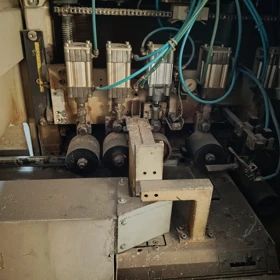
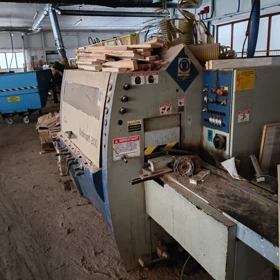
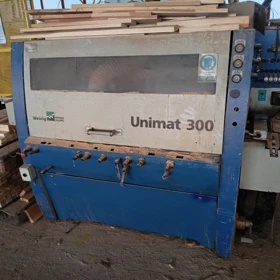
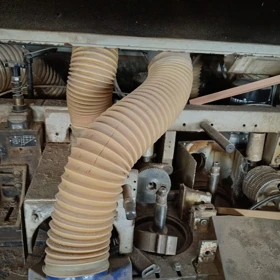
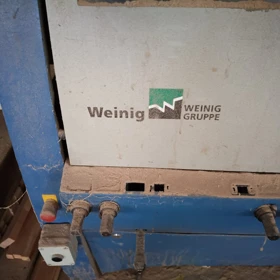
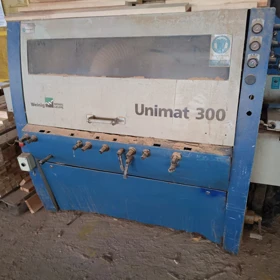
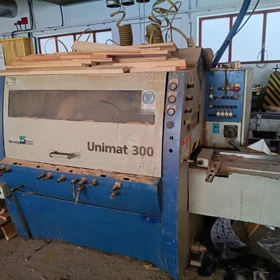
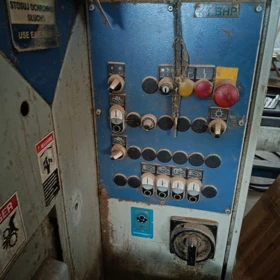
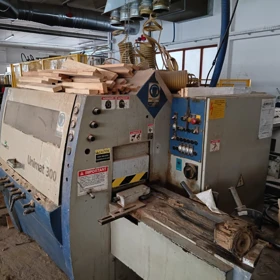
Used Weinig Unimat 300 Four-Side Moulder - 4 Spindles - Poland
Added: 18.09.2026, 17:18


JONSEREDS – Planer/Moulder
Added: 11.12.2025, 15:28


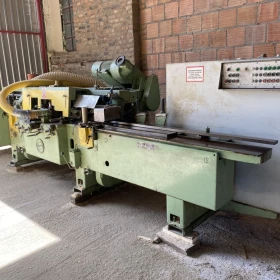


Weinig U 22 A Unimat 22A Four-Sided Planer/Moulder Urgent
Added: 13.11.2025, 09:10
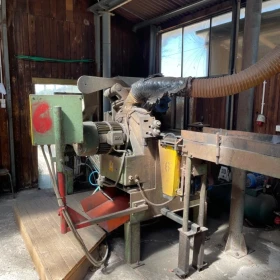
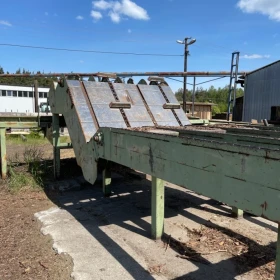
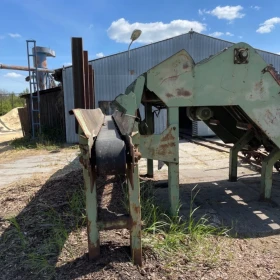


Pole Planing Line / Pole Rounder
Added: 27.05.2025, 16:38

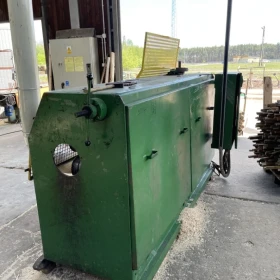


For sale: Rounding machine type DNAA, version 140
Added: 26.05.2025, 13:40


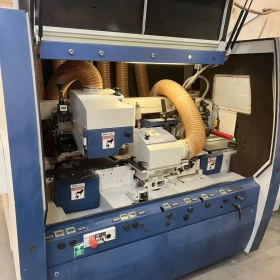
WEINIG POWERMAT 500 Four-Sided Planer
Added: 09.04.2025, 09:50
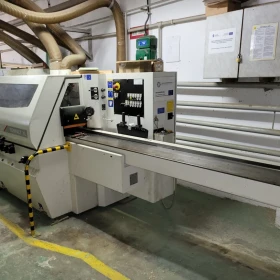
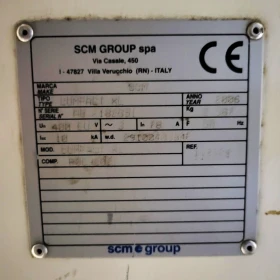
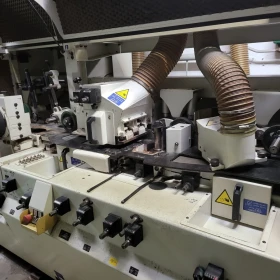
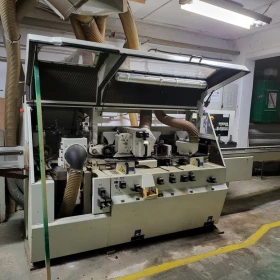
Four-Sided Planer SCM COMPACT XL
Added: 05.02.2025, 10:02
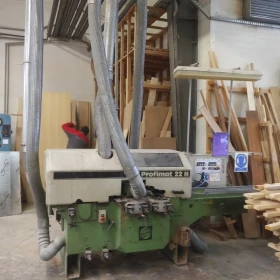

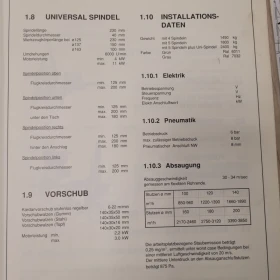

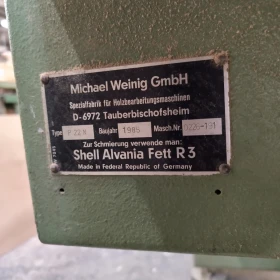

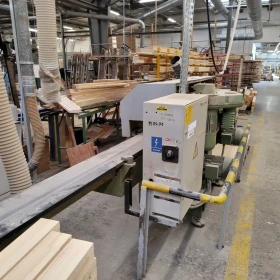
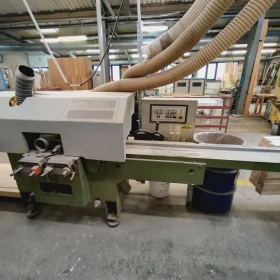
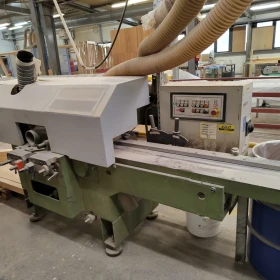

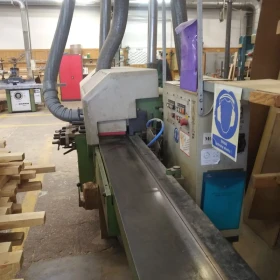
WEINIG Profimat 22 N
Added: 23.01.2025, 19:22
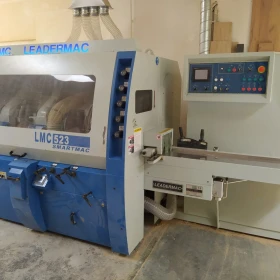
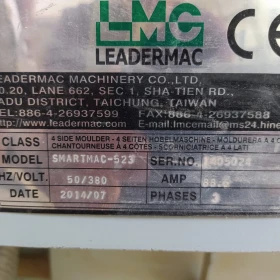
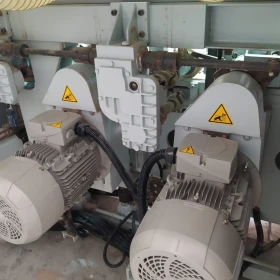

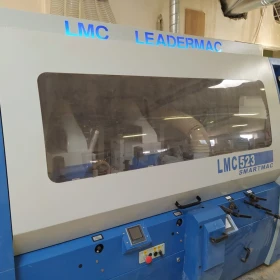
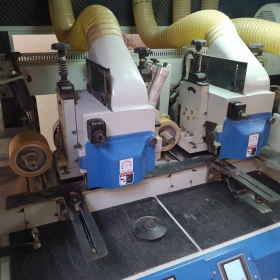
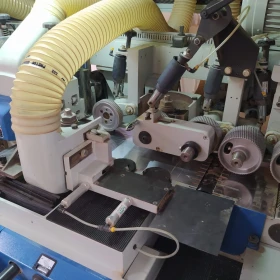
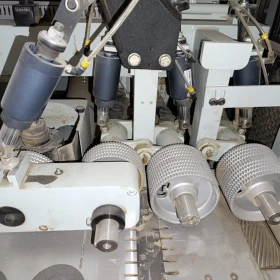
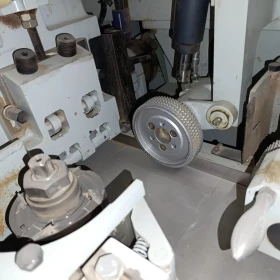
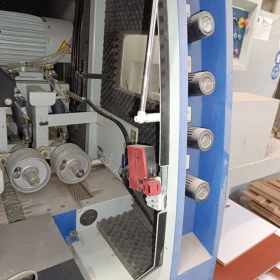
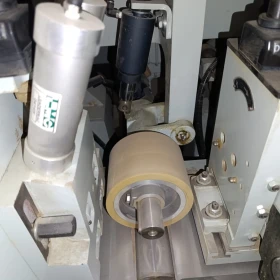
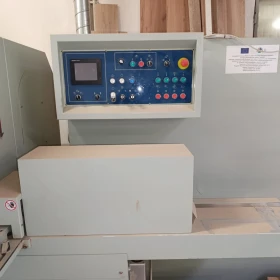
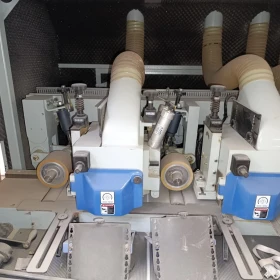
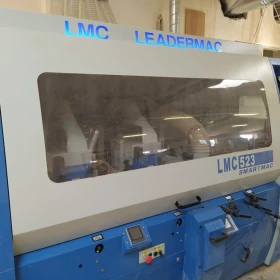
New Leadermac SMARTMAC LMC 523S 5-Spindle 4-Sided Planer – €27,000 Urgent
Added: 09.01.2025, 12:05


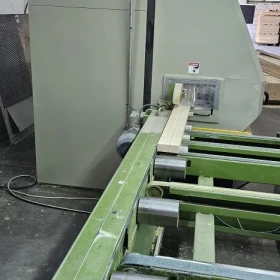
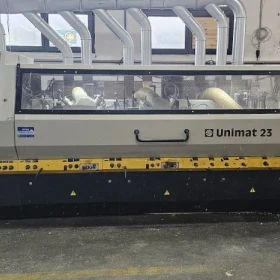
WEINIG UNIMAT 23 Four-Sided Planer for sale Urgent
Added: 20.06.2024, 11:11
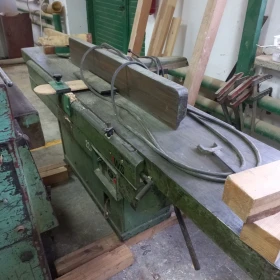

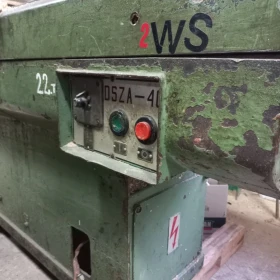
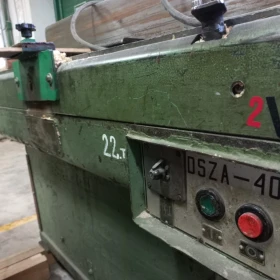
Planing Machine ŻEFAM ŻNIN DZSA 40
Added: 31.01.2023, 13:39
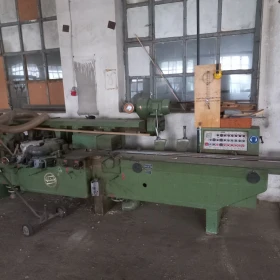
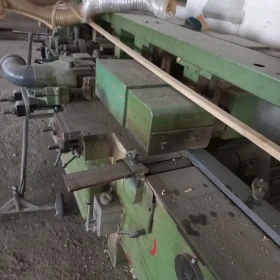
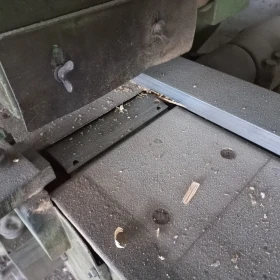
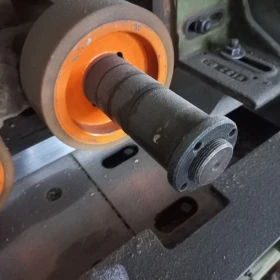
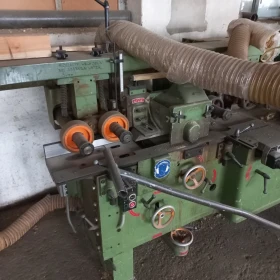

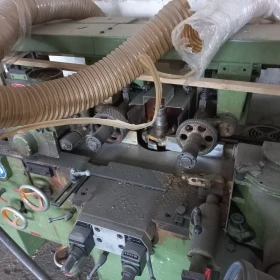
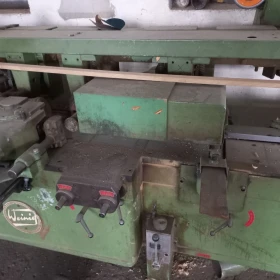
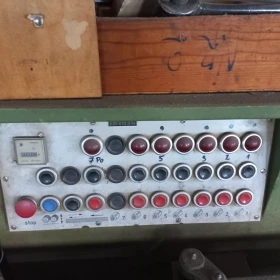

Four-sided Planer WEINIG UNIMAT PFA 14 6 HEADS
Added: 26.01.2023, 19:15
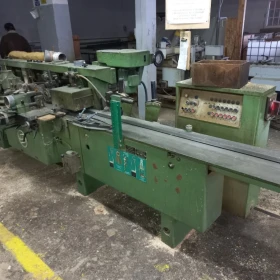


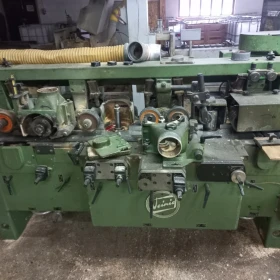
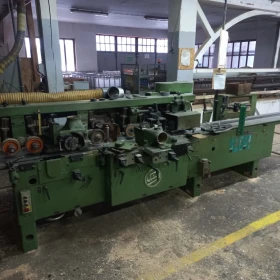
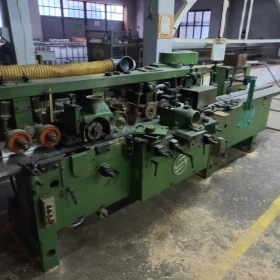
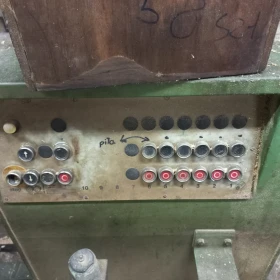
Four-sided Planer WEINIG UNIMAT PFA 14 6 HEADS
Added: 26.01.2023, 19:12
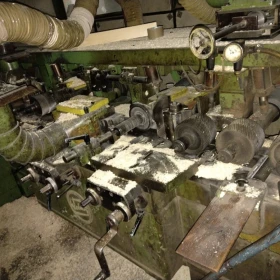
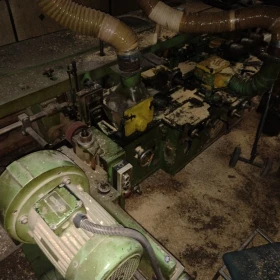
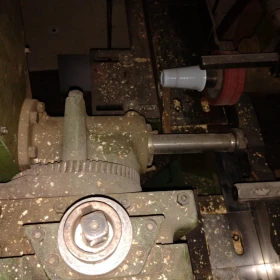
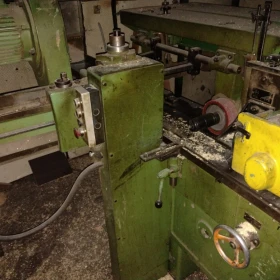
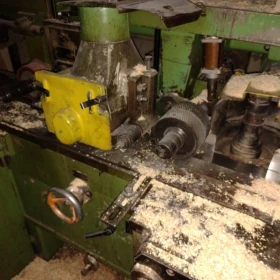
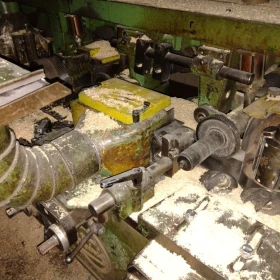
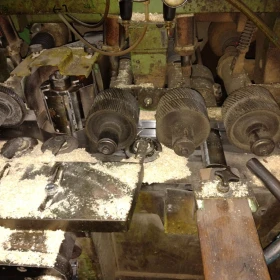
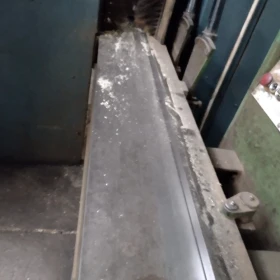

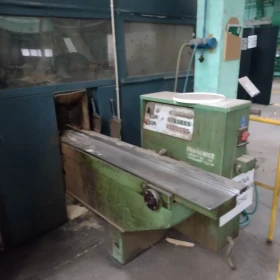
Four-sided Planer WEINIG UNIMAT 14N 5 heads + universal
Added: 26.01.2023, 19:04
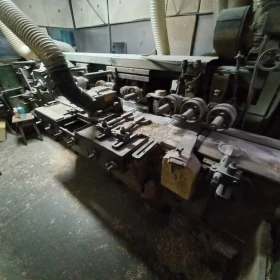
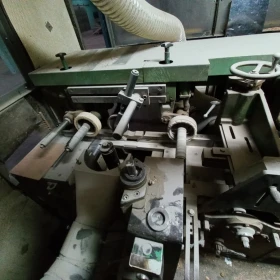
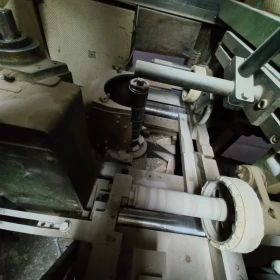
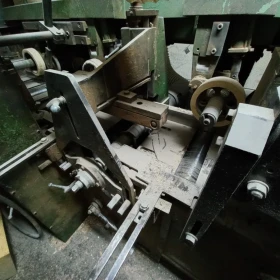
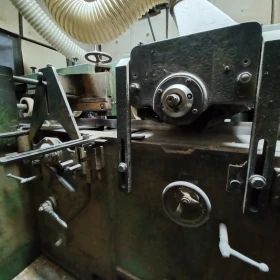
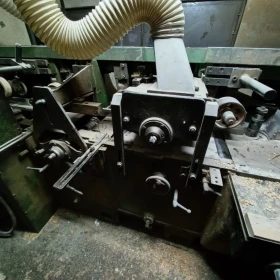
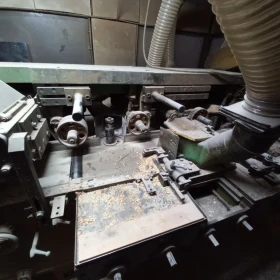
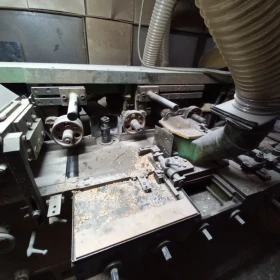
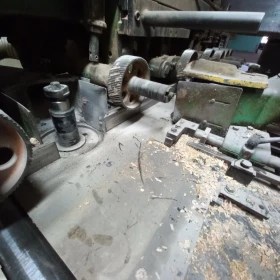
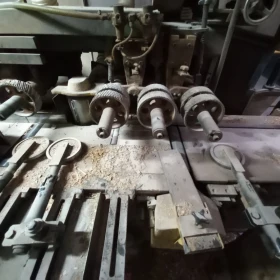
Four-sided Planer WEINIG HYDROMAT 30N
Added: 26.01.2023, 19:02
Used Planers — Thicknessers, Four-Side Planers and Moulders
Planing turns sawn or rough stock into timber with flat faces, exact thickness and square edges — the point where a workshop's output becomes predictable. This category holds used thickness planers, combined surface/thickness machines, four-sided planers and the moulders built on the same chassis, plus occasional pole processing equipment. The word "planer" covers both a benchside thicknesser and a multi-spindle moulder line — read working capacity and spindle layout in each listing first.
Which Planer Type Fits Which Job
- Thickness planers (thicknessers). Bring boards to uniform thickness with two parallel faces; the first machine many solid-wood shops add. Compare working width, table length and cutterhead tooling type.
- Combined surface and thickness planers. Pair a surfacing table with a thicknessing unit in one chassis: face-joint one side, then gauge thickness — space-efficient for joineries with moderate solid-wood volumes.
- Four-sided planers. Straighten and plane all four faces in one pass — bottom spindle for the reference face, then right, left and top spindles (a typical arrangement is bottom–right–left–top): the standard route to square, dimensioned stock at volume.
- Four-sided planers as moulders. The same machine becomes a profiler when axially adjustable spindles, larger cutting circles and moulding tooling are fitted. Window scantlings, glazing beads, flooring strips and mouldings are made this way. Many classic four-side planers were sold with an optional moulding package, so a used machine may be either configuration.
- Wide and heavy-duty moulders. Industrial units for beams, wide boards and shift work, with more spindles (five or six are common) and stronger feed drives.
- Pole rounding and planing lines. Round timber and pole equipment occasionally appears here; treat it as its own machine family when comparing.
What to Compare Between Two Used Planers
- Working cross-section: maximum and minimum working width and height — whether your largest stock fits and your smallest still clamps.
- Spindle layout: which positions are present (bottom, right, left, top, universal) and their spindle diameter.
- Feed: speed range, drive condition, feed and table roller count, and how firmly the machine grips short or warped stock.
- Tooling system: cutting circles, tool clamping (profiled knives, disposable inserts, shaped blocks), and what a set for your profiles costs and how fast it arrives.
- Straightening accuracy: infeed table length, pressure element and guide condition, squareness of the finished section.
- Surface finish: cutterhead type and spindle speed options, plus any snipe or witness marks at board ends on test cuts.
- Controls: manual scales versus digital positioning, and whether stored settings still reproduce dimensions.
- Working environment: noise enclosure condition, dust extraction outlets, and the machine's electrical supply requirements.
Condition Checks on the Workshop Floor
- Plane a board you know is warped and measure the result: thickness along the length, squareness of edge to face, and end snipe.
- Listen to each spindle under load — bearing noise rises with speed and is clearest when the machine is warm.
- Inspect feed rollers for wear flats or resin build-up; check tables and fences for scoring, rust or crash damage.
- Ask about crash history: a board that kicked back leaves bent pressure bars and marks on spindles that no amount of cleaning removes.
- Verify what tooling, gauges and spare knives are included, and how new dimensions are set (handwheels, digital readout or motorized).
- Ask whether parts for this model and control generation are still supplied, and collect whatever documentation survives.
- Line up transport and foundations: cast-iron tables need full-length support, and a moulder's alignment must survive the move.
Valuation context: our machine appraisal methodology; replacing a machine: sell the outgoing one. Upstream sizing: saws; profiled stock feeds finger jointing lines; window components: window manufacturing machines; tool care: sharpening machines; full vertical: woodworking machinery.
Planer Questions, Answered
Four-side planer or moulder — is there a real difference?
Functionally they share a chassis and feed system. A four-side planer is set up to produce straight, square, dimensioned stock; add axially adjustable spindles and moulding tooling and the same machine profiles mouldings, beads and flooring in one pass. When evaluating a used machine, its spindle arrangement and tooling tell you which role it can fill.
Thicknesser or combined surface/thickness planer?
A thicknesser only gauges thickness from an existing reference face. A combined machine lets you joint one face flat first, then thickness — which is what rough-sawn or twisted stock needs before any further processing. If your stock arrives already surfaced, the extra table earns nothing.
What should I know about tooling on a used moulder?
Tooling is machine- and spindle-specific: clamping diameter, cutting circle and profile determine what the machine can run. Before buying, price out one set of tooling for your actual profile and check the delivery time — a cheap moulder with unavailable tooling is an idle machine.
 Log in with Facebook
 Log in with Google