Used edgebanding machine for furniture production
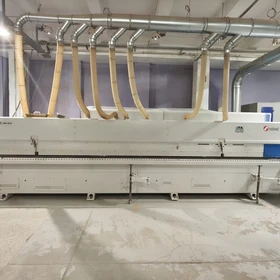 Featured
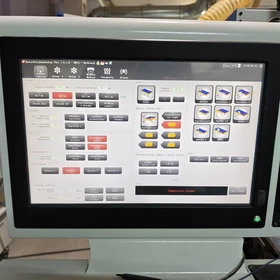
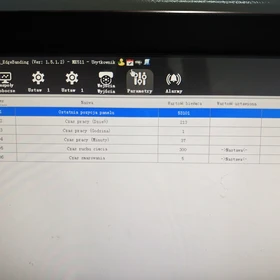
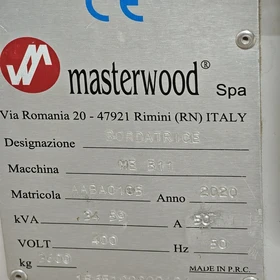
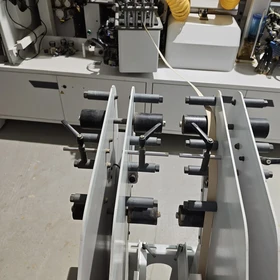
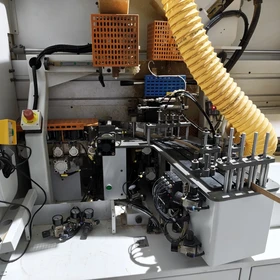
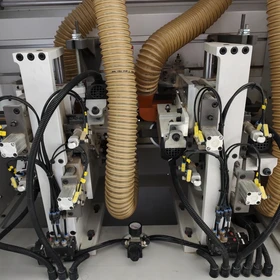
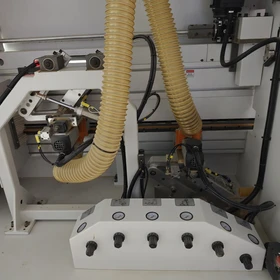
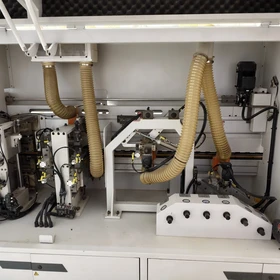
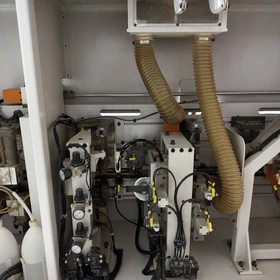
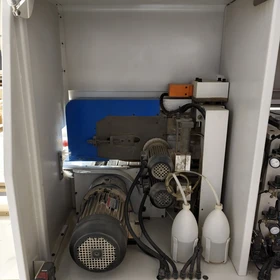
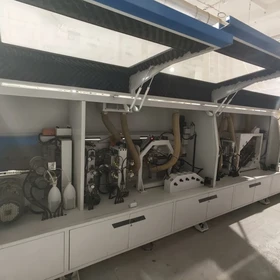
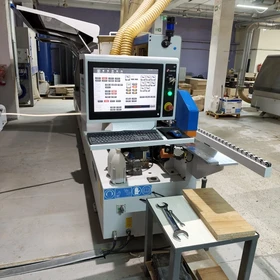
Masterwood ME-811 Edge Banding Machine 2020 – Serial No. AABA0105 – Poland
Added: 17.09.2026, 18:50
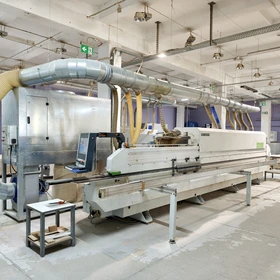 Featured
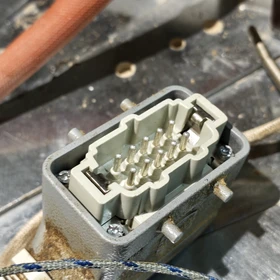
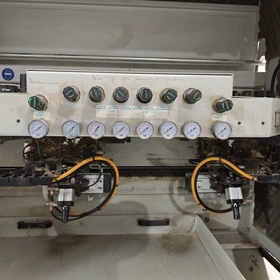
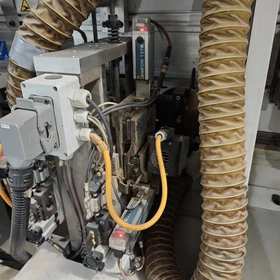
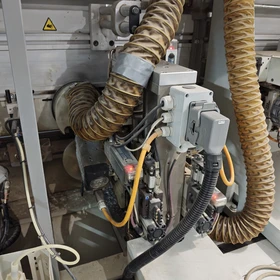
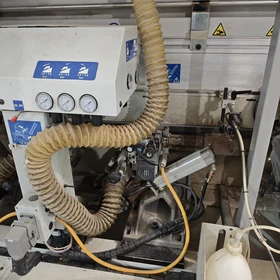
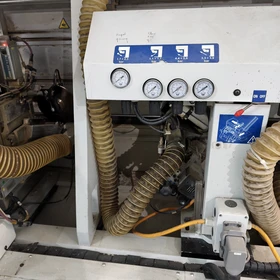
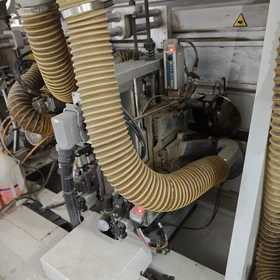
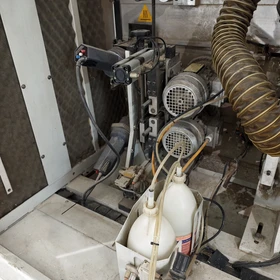
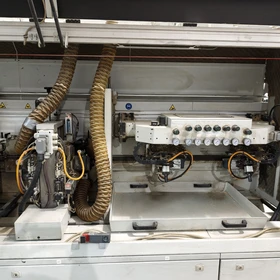
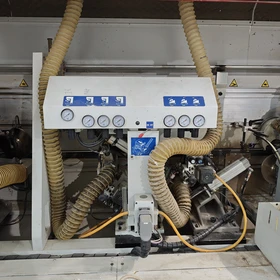
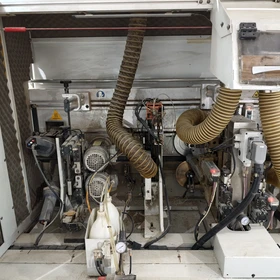
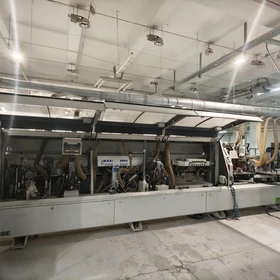
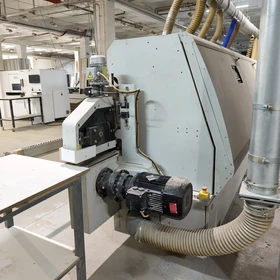
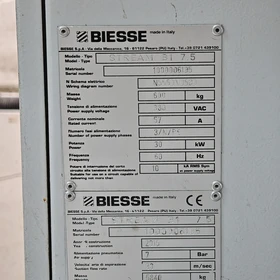
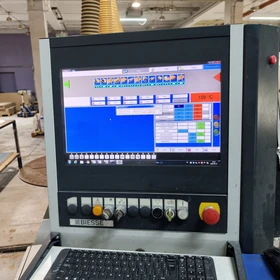
Biesse STREAM B1 7.5 Edge Banding Machine 2015 – Serial No. 1000006195 – Wrocław
Added: 17.09.2026, 18:39
Used edgebanding machine for furniture production
A edgebanding machine is a woodworking machine used to apply edge bands to boards, panels, and solid wood components in furniture and joinery production. Furniture factories, joinery shops, kitchen manufacturers, and panel processing plants across Europe rely on these machines. The European secondary market for woodworking machinery is mature and well-documented, making it possible to source reliable used edgebanding machine with known service history.
Types and applications of used edgebanding machine
Different edgebanding machine configurations serve different production requirements. Choosing the right type depends on your material, volume, and quality targets.
Manual edgebanding machines
Manual units require operator feeding and pressure application. Suitable for small joinery shops processing 5–20 panels per day.
Semi-automatic edgebanders
Semi-automatic models feed panels mechanically but require manual loading. Common in mid-size workshops with 20–100 panels daily.
Automatic through-feed edgebanders
Automatic through-feed machines process panels continuously with motorized infeed and outfeed. Feed speeds of 12–25 m/min with 3–7 processing units.
CNC edgebanders
CNC-controlled machines store profiles for different panel dimensions, enabling changeover in under 2 minutes. Ideal for batch-one production.
Corner rounding machines
Dedicated corner rounding units finish soft-formed edges on post-formed worktops and shaped components.
Key technical parameters of used edgebanding machine
Evaluating a used edgebanding machine requires understanding specifications that determine compatibility with your production requirements.
Working width
Working width defines the maximum material width the machine can process. Entry-level machines offer 300–500 mm; industrial models reach 1,000–1,300 mm or more.
Panel thickness range
Panel thickness range defines the minimum and maximum material the machine can process. Typical ranges are 8–60 mm for standard edgebanders and up to 100 mm for heavy-duty models.
Feed speed
Feed speed is expressed in metres per minute and directly affects throughput and surface quality. Four-sided machines run at 6–30 m/min; thickness planers typically operate at 4–15 m/min.
Glue system
Glue systems include hot-melt EVA, PUR, and laser/NGT options. PUR offers better moisture resistance; laser systems eliminate glue lines entirely on suitable edges.
Corner rounding
Corner rounding units soften sharp edges with a radius, improving safety and aesthetics. Check that radius cutters are included and in good condition.
Number of units
The number of processing units determines how many operations the machine performs in one pass. Common configurations include gluing, end trimming, edge trimming, scraping, and buffing.
Control type (nc/cnc)
Controls range from manual hand wheels and mechanical digitals to PLC and full CNC. CNC models offer program storage, automatic setup, and integration with barcode or ERP systems.
Pre-milling
Pre-milling units trim the panel edge before applying the edge band, ensuring a flush, gap-free joint. Essential for high-quality visible edges.
Buying checklist for used edgebanding machine
Inspecting a second-hand edgebanding machine before purchase reduces the risk of hidden defects and costly downtime. Use the following checklist during evaluation.
- Inspect mechanical components for wear, cracks, and unauthorised repairs.
- Check bearings for radial and axial play, unusual noise, and overheating during test runs.
- Verify electrical cabinet condition, safety circuits, and emergency stop functionality.
- Confirm voltage, frequency, and phase compatibility with your facility supply.
- Review maintenance logs, service invoices, and previous operating environment.
- Test all control functions including start, stop, speed variation, and safety interlocks.
- Assess spare parts availability and lead times for the specific brand and model.
- Request a trial run with your typical material, speed, and load conditions.
Typical industries and use cases
Used edgebanding machine serve a wide range of industrial sectors. The following industries represent core demand on the European secondary machinery market.
- Furniture production: Manufacturing of cabinets, tables, chairs, and upholstered furniture frames.
- Joinery shops: Custom woodworking, staircases, built-in fittings, and architectural millwork.
- Kitchen manufacturing: Production of kitchen carcasses, worktops, doors, and drawer boxes.
- Panel processing plants: Cutting, edging, and drilling of chipboard, MDF, and plywood panels.
- Door and window production: Fabrication of interior and exterior doors, window frames, and shutters.
Buying used edgebanding machine instead of new machines delivers immediate cost reduction, shorter delivery times, and proven mechanical reliability. Industrial equipment from Germany, Italy, Poland, Austria, Central and Eastern Europe is engineered for long service life, making the secondary market a rational sourcing channel.
Why buy used edgebanding machine via WeSellMachines.com
WeSellMachines.com is a B2B marketplace specialising in used industrial machinery across Germany, Italy, Poland, Austria, Central and Eastern Europe. Our team inspects and documents every listing, verifies machine condition, and provides direct contact with sellers. We combine hands-on machinery expertise with transparent listings so buyers can source used edgebanding machine with confidence.
FAQ: used edgebanding machine
What is a edgebanding machine and what is it used for?
A edgebanding machine is industrial equipment used to apply edge bands to in manufacturing environments. It serves production facilities, workshops, and processing plants across multiple sectors. Key selection criteria include capacity, precision, power requirements, and compatibility with your existing workflow.
How much can I save by buying a used edgebanding machine?
Savings on the secondary market typically range from 30% to 70% compared to new machines, depending on age, brand, condition, and included accessories. Premium brands retain value while still offering significant discounts.
Which brands of used edgebanding machine are most reliable?
Homag, Biesse, SCM, Brandt, Holz-Her are widely regarded for durable construction and available spare parts. Machines from these manufacturers are common in the European used machinery market and supported by established service networks.
What should I check when inspecting a used edgebanding machine?
Check mechanical wear, bearing condition, electrical safety, control functionality, and dimensional accuracy. Run the machine under load if possible and request maintenance records, manuals, and wiring diagrams.
Is it safe to buy a used edgebanding machine without seeing it in person?
Risk can be minimised by requesting detailed photos, video of the machine running under load, maintenance records, and third-party inspection reports. WeSellMachines.com provides documented listings and direct seller communication.
Can a used edgebanding machine be integrated with modern production systems?
Many used machines support standard interfaces and file formats. Verify the control model, available communication protocols, and software compatibility before purchase. Retrofit options are often available.
What is the typical power supply requirement?
Industrial machines usually require three-phase 400 V / 50 Hz supply. Confirm that your facility can deliver the required amperage and has appropriate circuit protection and earthing.
 Log in with Facebook
 Log in with Google