Used presse for metal fabrication
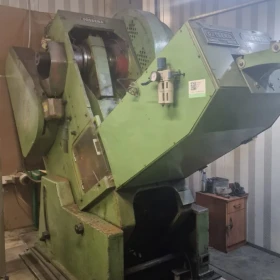


PREBENA High-Speed Eccentric Press 63 Ton - Optimized for Staple and Stamping Production Urgent
Added: 07.10.2025, 11:36


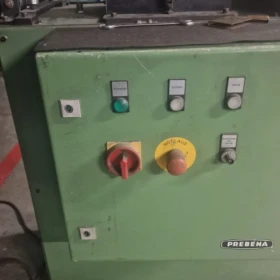

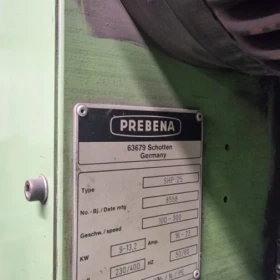

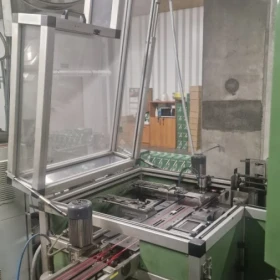


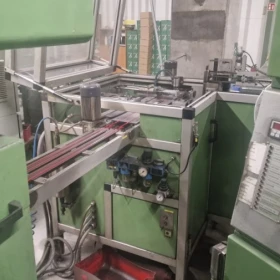
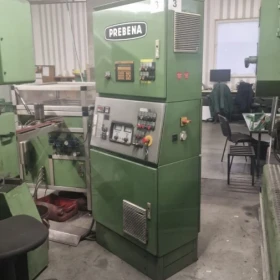
Prebena SHP 25 Staple Production Line Urgent
Added: 07.10.2025, 10:42
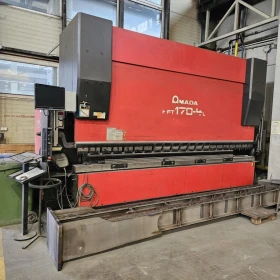
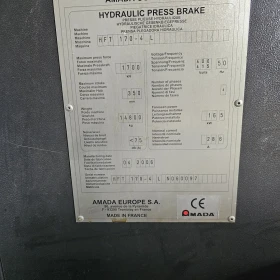
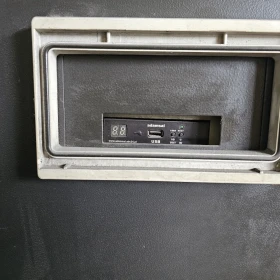
AMADA HFT 170-4L Press Brake (4-axis, y.o.p. 2006) - Perfect, low-use condition!
Added: 03.06.2025, 13:44
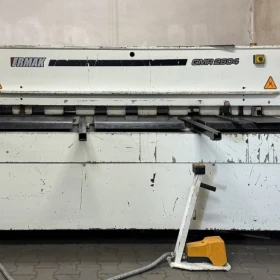
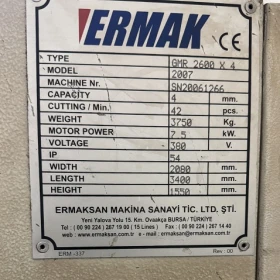

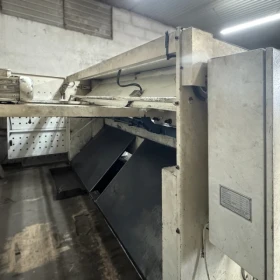
ERMAK GMR 2600-4 GUILLOTINE Urgent
Added: 23.04.2025, 07:48
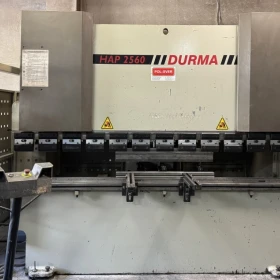
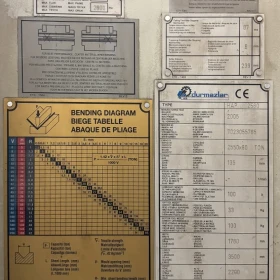
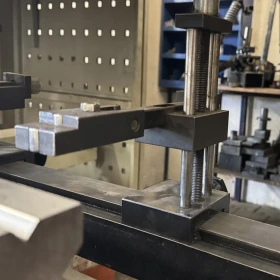

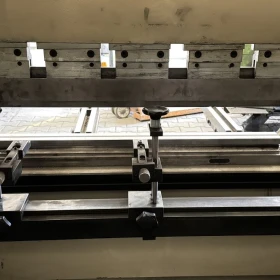
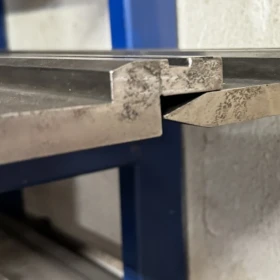
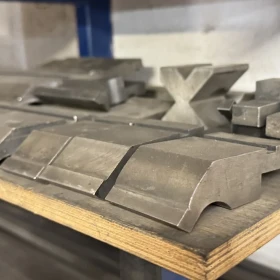
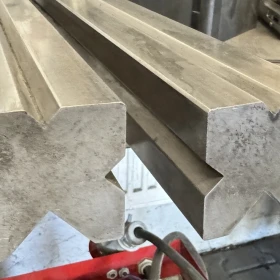
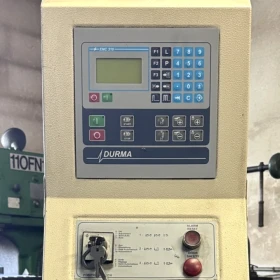
DURMA HAP 2560 Press Brake
Added: 22.04.2025, 17:42
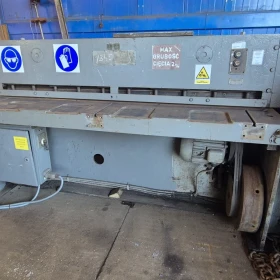
Guillotine NG 3.
Added: 19.03.2025, 11:33

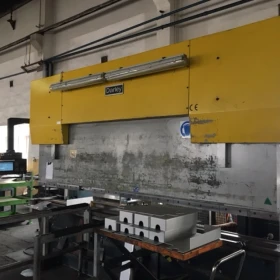
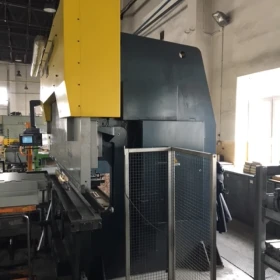
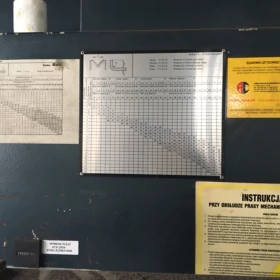
Darley 340 ton press brake type EPH 340.43/31t
Added: 09.05.2023, 19:52
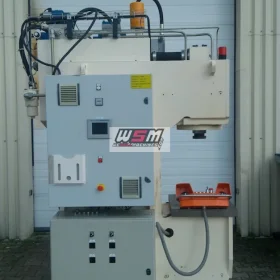
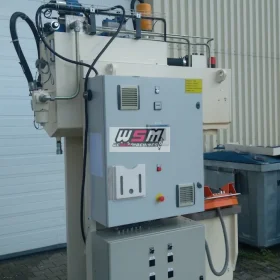
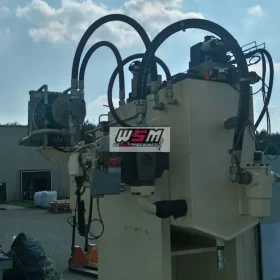
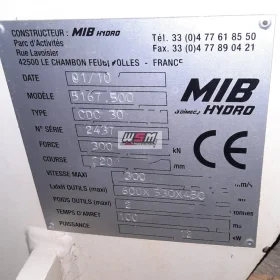
Hydraulic Press 30T MIB HYDRO CDC 30 (NEW)
Added: 04.11.2022, 12:56
Used presse for metal fabrication
Industrial presse process metal stock to press, form, and shape components for automotive, aerospace, and general engineering applications. These machines serve both high-volume production lines and small-batch custom manufacturing. Buying used presse is cost-effective because metalworking machines from brands like Trumpf, Amada, Bystronic, DMG Mori, Mazak are engineered for longevity, and the secondary market offers significant savings.
Types and applications of used presse
Different presse configurations serve different production requirements. Choosing the right type depends on your material, volume, and quality targets.
Mechanical presses
Mechanical presses use a flywheel and crank mechanism for high-speed stamping and blanking. Cycle rates from 30 to 600 strokes per minute.
Hydraulic presses
Hydraulic presses deliver full tonnage throughout the stroke. Ideal for deep drawing, forming, and compression moulding.
Pneumatic presses
Pneumatic presses use compressed air for light-duty assembly, riveting, and marking operations.
Servo presses
Servo presses use programmable electric drives for precise slide motion control. Enable complex forming sequences.
Try-out presses
Try-out presses validate dies and tooling before production. Lower tonnage but high precision and data acquisition.
Key technical parameters of used presse
Evaluating a used presse requires understanding specifications that determine compatibility with your production requirements.
Tonnage
Tonnage is the maximum force the press can deliver. Match press capacity to your deepest drawing, heaviest blanking, or largest forging operation.
Bed size
Bed size defines the maximum die or tooling footprint. Ensure adequate space for your largest tools plus clamping clearance.
Stroke length
Stroke length is the distance the slide travels from top to bottom dead centre. Longer strokes enable deeper draws and taller dies.
Shut height
Shut height is the maximum die height that can be accommodated at bottom dead centre. Check against your tooling stack-up.
Speed (spm)
Operating speed affects productivity and quality. Variable speed drives allow optimisation for different materials, operations, and finish requirements.
Control type
Controls range from manual hand wheels and mechanical digitals to PLC and full CNC. CNC models offer program storage, automatic setup, and integration with barcode or ERP systems.
Safety systems
Safety systems include light curtains, two-hand controls, and mechanical interlocks. Verify compliance with current machinery directives.
Buying checklist for used presse
Inspecting a second-hand presse before purchase reduces the risk of hidden defects and costly downtime. Use the following checklist during evaluation.
- Inspect mechanical components for wear, cracks, and unauthorised repairs.
- Check bearings for radial and axial play, unusual noise, and overheating during test runs.
- Verify electrical cabinet condition, safety circuits, and emergency stop functionality.
- Confirm voltage, frequency, and phase compatibility with your facility supply.
- Review maintenance logs, service invoices, and previous operating environment.
- Test all control functions including start, stop, speed variation, and safety interlocks.
- Assess spare parts availability and lead times for the specific brand and model.
- Request a trial run with your typical material, speed, and load conditions.
Typical industries and use cases
Used presse serve a wide range of industrial sectors. The following industries represent core demand on the European secondary machinery market.
- Metal fabrication: Cutting, bending, welding, and finishing of steel, aluminium, and stainless steel.
- Automotive parts: Stamping, machining, and assembly of vehicle components and subsystems.
- Aerospace components: Precision machining of aluminium, titanium, and composite parts.
- Tool and die making: Production of moulds, dies, jigs, and fixtures for manufacturing.
- General mechanical engineering: Machining, fabrication, and assembly of industrial machinery and equipment.
Buying used presse instead of new machines delivers immediate cost reduction, shorter delivery times, and proven mechanical reliability. Industrial equipment from Germany, Italy, Czech Republic, Poland, EU is engineered for long service life, making the secondary market a rational sourcing channel.
Why buy used presse via WeSellMachines.com
WeSellMachines.com is a B2B marketplace specialising in used industrial machinery across Germany, Italy, Czech Republic, Poland, EU. Our team inspects and documents every listing, verifies machine condition, and provides direct contact with sellers. We combine hands-on machinery expertise with transparent listings so buyers can source used presse with confidence.
FAQ: used presse
What is a presse and what is it used for?
A presse is industrial equipment used to press, form, and shape in manufacturing environments. It serves production facilities, workshops, and processing plants across multiple sectors. Key selection criteria include capacity, precision, power requirements, and compatibility with your existing workflow.
How much can I save by buying a used presse?
Savings on the secondary market typically range from 30% to 70% compared to new machines, depending on age, brand, condition, and included accessories. Premium brands retain value while still offering significant discounts.
Which brands of used presse are most reliable?
Trumpf, Amada, Bystronic, DMG Mori, Mazak are widely regarded for durable construction and available spare parts. Machines from these manufacturers are common in the European used machinery market and supported by established service networks.
What should I check when inspecting a used presse?
Check mechanical wear, bearing condition, electrical safety, control functionality, and dimensional accuracy. Run the machine under load if possible and request maintenance records, manuals, and wiring diagrams.
Is it safe to buy a used presse without seeing it in person?
Risk can be minimised by requesting detailed photos, video of the machine running under load, maintenance records, and third-party inspection reports. WeSellMachines.com provides documented listings and direct seller communication.
Can a used presse be integrated with modern production systems?
Many used machines support standard interfaces and file formats. Verify the control model, available communication protocols, and software compatibility before purchase. Retrofit options are often available.
What is the typical power supply requirement?
Industrial machines usually require three-phase 400 V / 50 Hz supply. Confirm that your facility can deliver the required amperage and has appropriate circuit protection and earthing.
 Log in with Facebook
 Log in with Google