Used lathe for metal fabrication
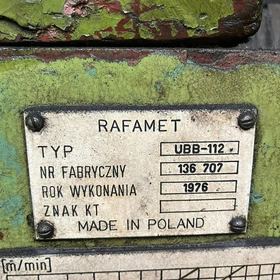
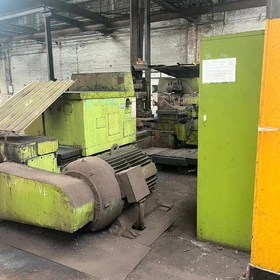
RAFAMET UBB-112 Railway Wheelset Lathe 1976 – Serial 136707 – Gliwice
Added: 10.08.2026, 16:37
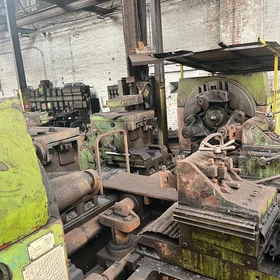
RAFAMET UBB-100-1 Railway Wheelset Lathe 1974 – Serial 236707-1 – Gliwice
Added: 10.08.2026, 16:37

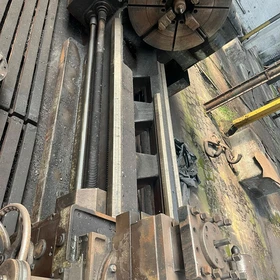
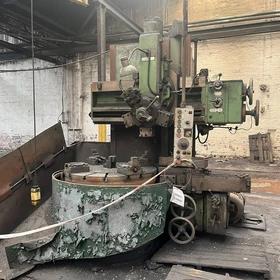
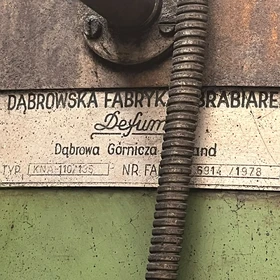
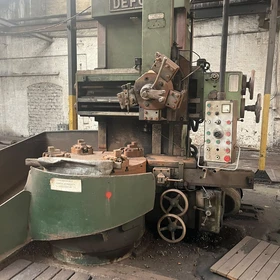
DEFUM KNA 110/135 Vertical Turret Lathe 1978 – Serial 6914 – Gliwice
Added: 10.08.2026, 16:37
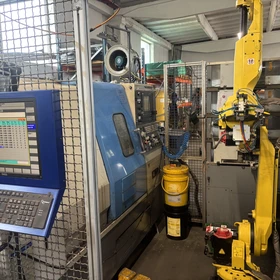
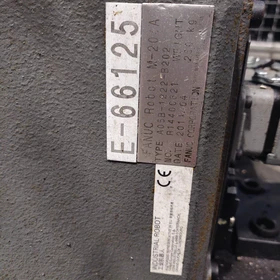
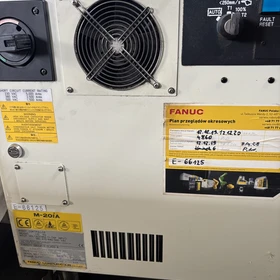
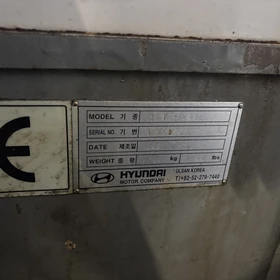
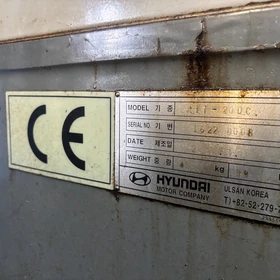
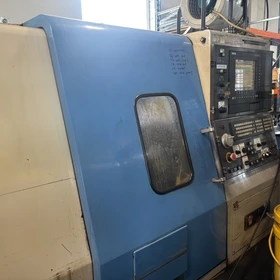
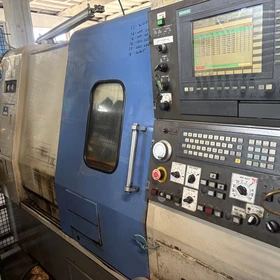
Hyundai HIT-200C ×2 + FANUC M-20iA Robotic Cell 2014 – Lubliniec
Added: 31.07.2026, 14:51
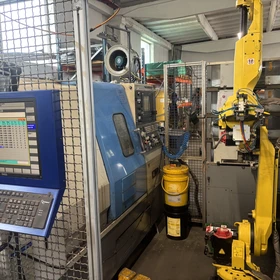
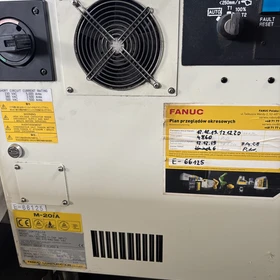
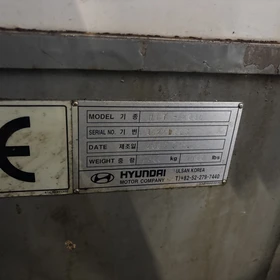
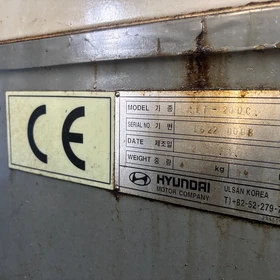
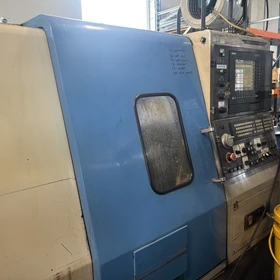
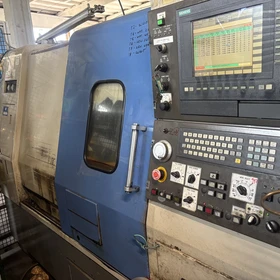
Hyundai HIT-200C CNC Lathe 2003 – Serial No. 1622D003 – Lubliniec
Added: 31.07.2026, 14:51
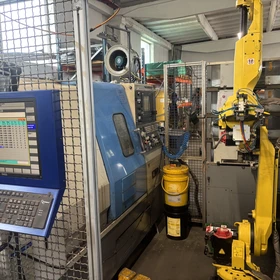
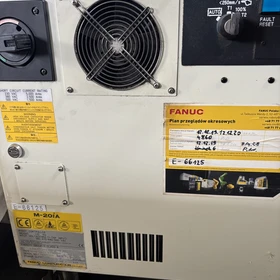
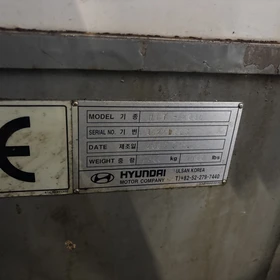
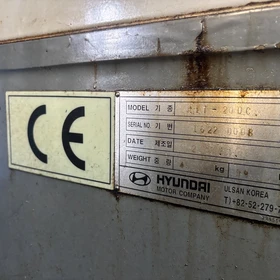
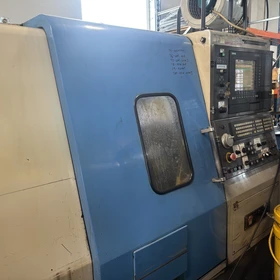
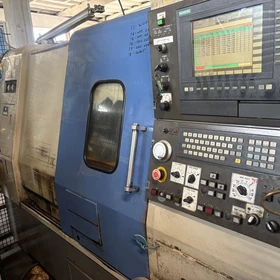
Hyundai HIT-200C CNC Lathe 2003 – Serial No. 1622D008 – Lubliniec
Added: 31.07.2026, 14:51

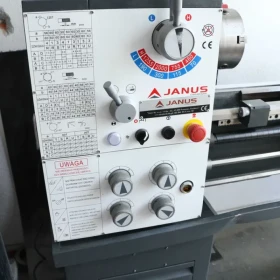
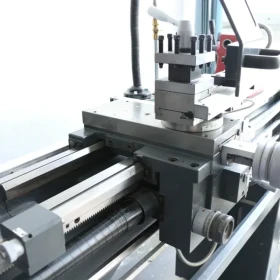
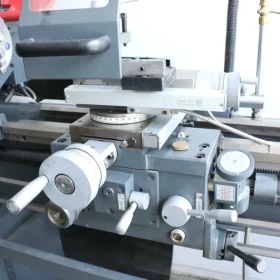
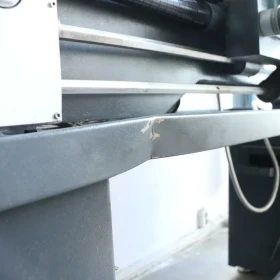
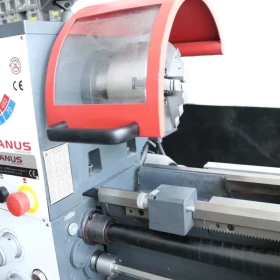
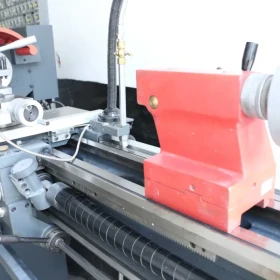
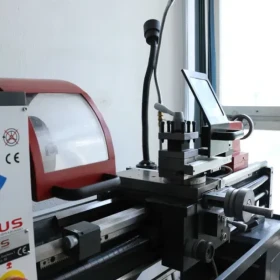
The JANUS TK 360G conventional lathe with digital readout
Added: 09.05.2023, 19:51
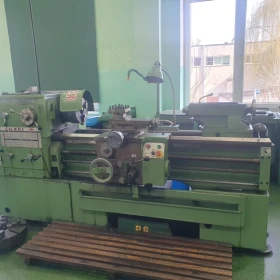
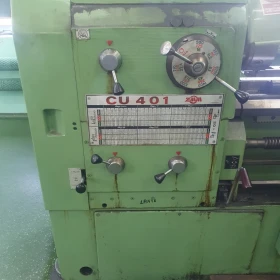
Lathe type: CU 401 Manufacturer: Bulgarian
Added: 09.05.2023, 19:50
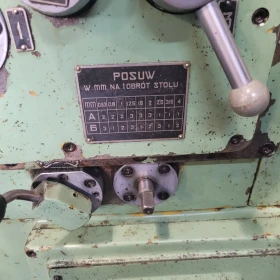
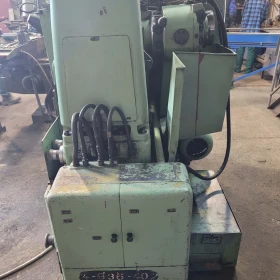
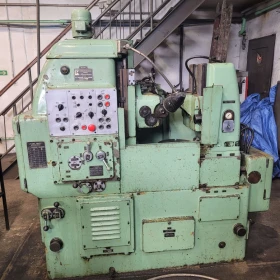
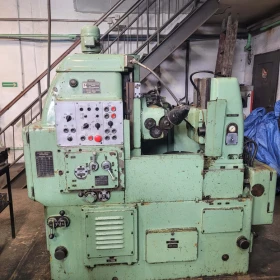
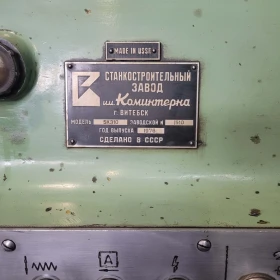
Used lathe for milling gears with straight, helical and worm teeth. Model 5K310, made by Stanko in 1976 in the USSR
Added: 21.04.2023, 11:53
Used lathe for metal fabrication
Lathes are core equipment in metal fabrication shops, used to turn and shape workpieces with precision and efficiency. These machines serve both high-volume production lines and small-batch custom manufacturing. A refurbished used lathe can deliver the same accuracy and throughput as new equipment, with shorter lead times and lower capital outlay.
Types and applications of used lathe
Different lathe configurations serve different production requirements. Choosing the right type depends on your material, volume, and quality targets.
Engine lathes
Engine lathes are versatile manual or semi-automatic machines for turning shafts, discs, and threaded components.
CNC lathes
CNC lathes execute programmed turning cycles with automatic tool change and bar feeder integration.
Vertical lathes
Vertical lathes hold the workpiece on a horizontal table. Ideal for large, heavy, or short components like brake drums and flanges.
Multi-spindle lathes
Multi-spindle lathes machine several workpieces simultaneously, dramatically increasing throughput for high-volume parts.
Swiss-type lathes
Swiss-type lathes use a sliding headstock and guide bushing for precision turning of long, slender parts.
Key technical parameters of used lathe
Evaluating a used lathe requires understanding specifications that determine compatibility with your production requirements.
Swing over bed
Swing over bed is the maximum diameter that can rotate over the lathe bed. This dimension determines the largest workpiece the machine can handle.
Distance between centers
Distance between centres defines the maximum length of shaft or bar that can be supported between headstock and tailstock.
Spindle bore
Spindle bore diameter determines the maximum bar stock that can pass through the headstock. Essential for bar-fed automatic operations.
Spindle speed range
Operating speed affects productivity and quality. Variable speed drives allow optimisation for different materials, operations, and finish requirements.
Tailstock quill travel
Tailstock quill travel defines how far the centre can extend to support long workpieces. Check alignment with the headstock spindle.
Control system
control system is a critical specification that determines machine suitability for your application. Verify against your production requirements.
Chuck size
Chuck size in millimetres or inches determines gripping capacity. Three-jaw chucks self-centre; four-jaw chucks grip irregular shapes.
Buying checklist for used lathe
Inspecting a second-hand lathe before purchase reduces the risk of hidden defects and costly downtime. Use the following checklist during evaluation.
- Inspect mechanical components for wear, cracks, and unauthorised repairs.
- Check bearings for radial and axial play, unusual noise, and overheating during test runs.
- Verify electrical cabinet condition, safety circuits, and emergency stop functionality.
- Confirm voltage, frequency, and phase compatibility with your facility supply.
- Review maintenance logs, service invoices, and previous operating environment.
- Test all control functions including start, stop, speed variation, and safety interlocks.
- Assess spare parts availability and lead times for the specific brand and model.
- Request a trial run with your typical material, speed, and load conditions.
Typical industries and use cases
Used lathe serve a wide range of industrial sectors. The following industries represent core demand on the European secondary machinery market.
- Metal fabrication: Cutting, bending, welding, and finishing of steel, aluminium, and stainless steel.
- Automotive parts: Stamping, machining, and assembly of vehicle components and subsystems.
- Aerospace components: Precision machining of aluminium, titanium, and composite parts.
- Tool and die making: Production of moulds, dies, jigs, and fixtures for manufacturing.
- General mechanical engineering: Machining, fabrication, and assembly of industrial machinery and equipment.
Buying used lathe instead of new machines delivers immediate cost reduction, shorter delivery times, and proven mechanical reliability. Industrial equipment from Germany, Italy, Czech Republic, Poland, EU is engineered for long service life, making the secondary market a rational sourcing channel.
Why buy used lathe via WeSellMachines.com
WeSellMachines.com is a B2B marketplace specialising in used industrial machinery across Germany, Italy, Czech Republic, Poland, EU. Our team inspects and documents every listing, verifies machine condition, and provides direct contact with sellers. We combine hands-on machinery expertise with transparent listings so buyers can source used lathe with confidence.
FAQ: used lathe
What is a lathe and what is it used for?
A lathe is industrial equipment used to turn and shape in manufacturing environments. It serves production facilities, workshops, and processing plants across multiple sectors. Key selection criteria include capacity, precision, power requirements, and compatibility with your existing workflow.
How much can I save by buying a used lathe?
Savings on the secondary market typically range from 30% to 70% compared to new machines, depending on age, brand, condition, and included accessories. Premium brands retain value while still offering significant discounts.
Which brands of used lathe are most reliable?
Trumpf, Amada, Bystronic, DMG Mori, Mazak are widely regarded for durable construction and available spare parts. Machines from these manufacturers are common in the European used machinery market and supported by established service networks.
What should I check when inspecting a used lathe?
Check mechanical wear, bearing condition, electrical safety, control functionality, and dimensional accuracy. Run the machine under load if possible and request maintenance records, manuals, and wiring diagrams.
Is it safe to buy a used lathe without seeing it in person?
Risk can be minimised by requesting detailed photos, video of the machine running under load, maintenance records, and third-party inspection reports. WeSellMachines.com provides documented listings and direct seller communication.
Can a used lathe be integrated with modern production systems?
Many used machines support standard interfaces and file formats. Verify the control model, available communication protocols, and software compatibility before purchase. Retrofit options are often available.
What is the typical power supply requirement?
Industrial machines usually require three-phase 400 V / 50 Hz supply. Confirm that your facility can deliver the required amperage and has appropriate circuit protection and earthing.
Used lathes: engine lathes, CNC turning centres and vertical lathes
Lathes shape rotational parts for every branch of industry: engine lathes with manual control for repair and one-off work, CNC turning centres with turrets, driven tools and bar feeders for series production, vertical lathes for large rings and flanges, multi-spindle automatics for high volumes and Swiss-type machines for small precision components. Used lathes appear when toolrooms close, subcontractors automate, or training workshops renew fleets, and good listings include chucks, steadies, tailstocks, toolholders and measuring instruments that would be costly to assemble separately.
Define the envelope first: maximum swing over bed and carriage, distance between centres, spindle bore for bar work, and the weight your floor and handling gear can take. A maintenance shop turning shafts up to two metres needs length more than power; a hydraulics specialist needs a large through-bore and a steady rest. Check the spindle nose standard, the taper of the tailstock, the thread-cutting range or the CNC control generation, and whether the machine still holds the accuracy your drawings demand — ask for a recent test cut report with measured values.
Buying guide: wear that matters on a lathe
Bed wear near the chuck is the classic fault: run the carriage along the bed and feel for drop-off, then turn a bar between centres and measure taper over 300 mm. Check the headstock bearings by running the spindle through its speed range and listening for rumble, and test the feed gearbox across all feeds including thread pitches. Inspect the chuck scroll and jaws for bell-mouthing, the tailstock quill for play, and the carriage handwheels and backlash. On CNC machines, verify turret indexing repeatability, tailstock or sub-spindle alignment, and the condition of way covers and ballscrews.
Controls, tooling and bar feeding
On CNC lathes the control generation decides the future: confirm parameter and tool-table backups exist, the batteries were replaced on schedule, and no axis or drive alarms are active. Price the tooling package separately in your head — turret blocks, boring bar sleeves, driven holders, collets and a bar feeder or parts catcher change the economics. For Swiss-type machines, confirm the guide-bushing size range and the fire-suppression and oil-mist extraction setup, since these machines run oil-based coolant at high speed.
Installation, levelling and first chips
A lathe only turns true when level: budget for precision levelling on wedges, anchoring where required, and a geometry re-check after two weeks of settling. Plan the coolant: drain, clean and refill the tank, replace hoses and check the pump before the first paid part. For CNC machines, arrange the power supply with clean earth, confirm the air supply for the chuck and turret, and have the parameter backup loaded and verified by someone who knows that control before production starts.
Frequently asked questions
How do I test an engine lathe in one inspection?
Face a disc and check flatness, turn a shaft between centres and measure taper, cut a sample thread, and run every feed and the rapid traverse. Examine the bedways under the carriage, the chuck jaws, the steady rest and the coolant pump.
What decides the value of a used CNC turning centre?
Spindle hours and load, turret repeatability over twenty indexes, axis backlash, ballscrew and way-cover condition, and whether driven tools, sub-spindle, parts catcher and probe are included and working. Ask for the alarm history and any ballbar or positioning report.
Are parts available for older manual lathes?
For widespread models, bearings, belts, half-nuts, feed gears and DRO scales come from independent suppliers. Verify the spindle nose and chuck-mount standard: common mounts keep chuck costs down. For rare models, price a spare-parts donor machine before committing.
What should the handover include?
The serial-numbered contract, manuals and electrical diagrams, the parameter backup on CNC machines, chucks and accessories listed by item, and a test-cut record. For machines placed on the EU market after 1995, the chuck guard, interlocks and declaration of conformity affect insurance and inspection.
 Log in with Facebook
 Log in with Google